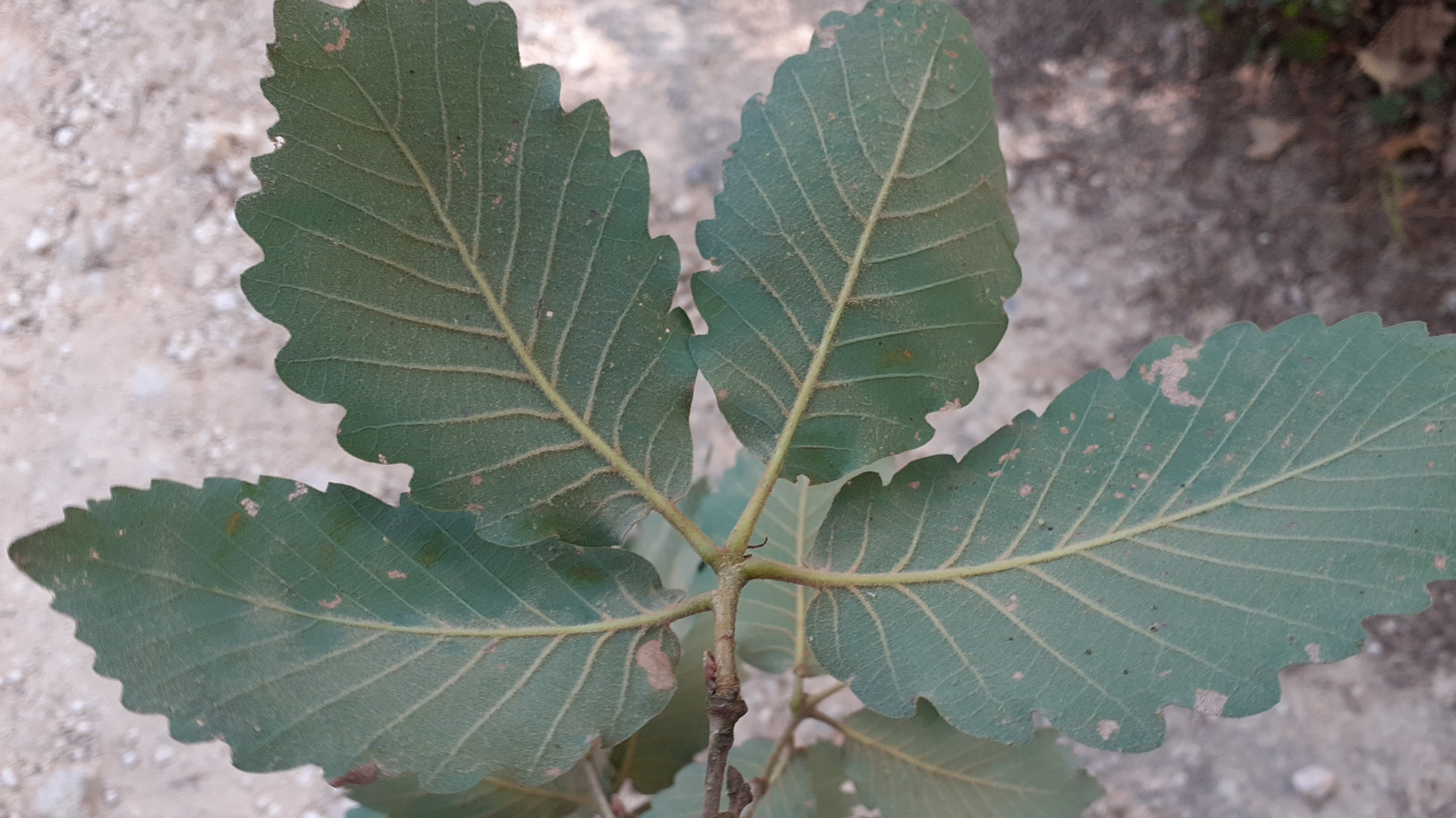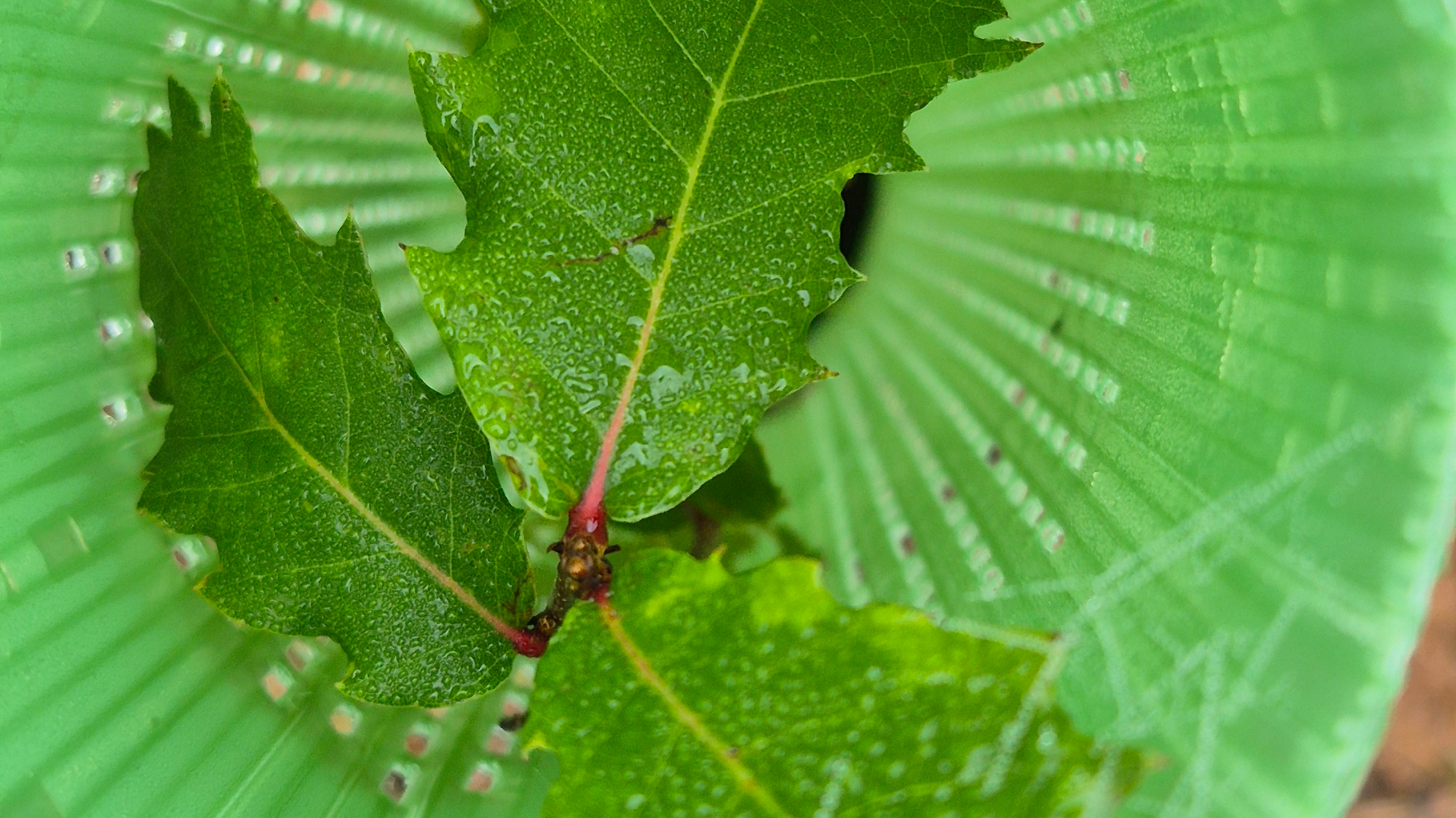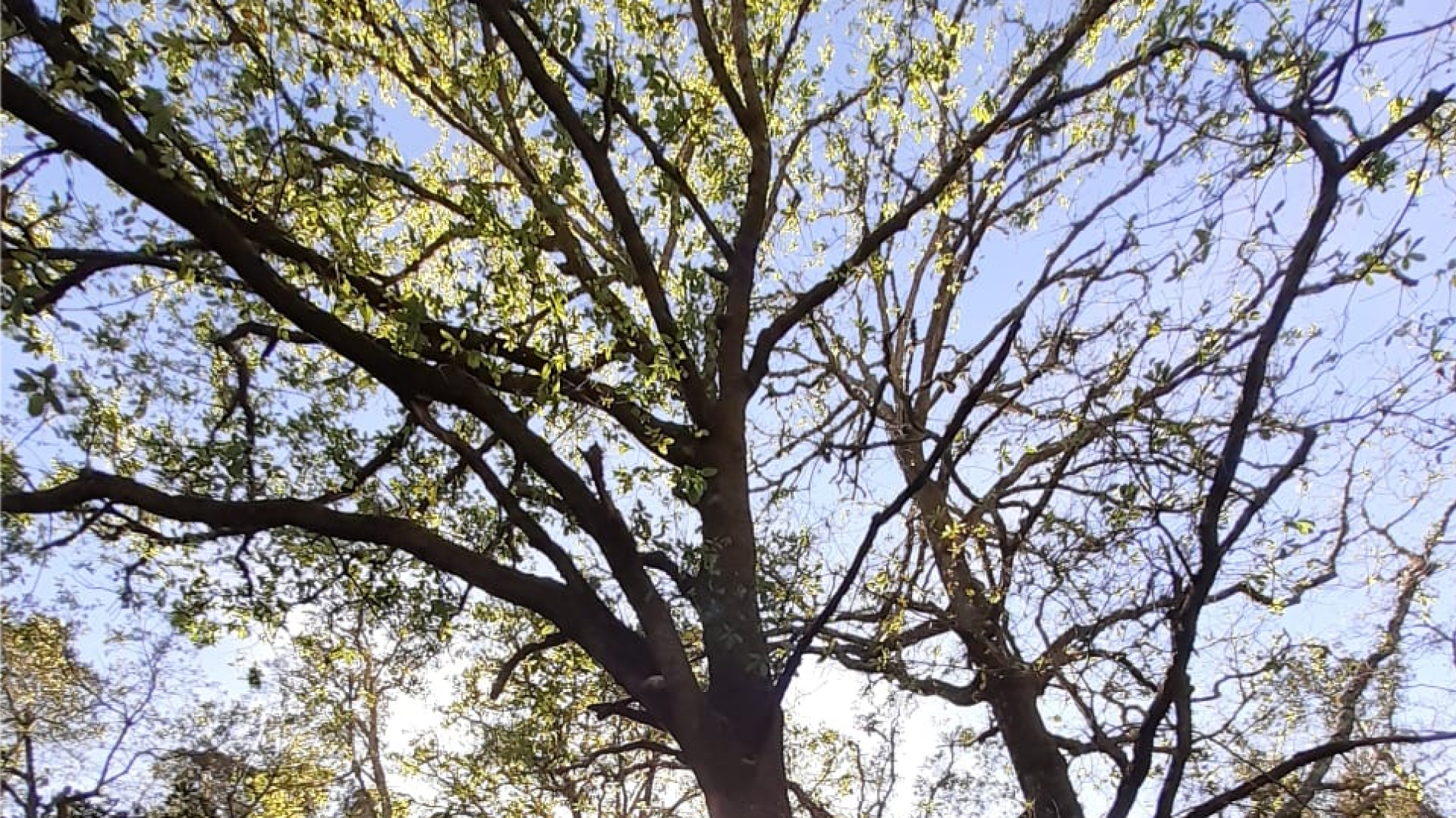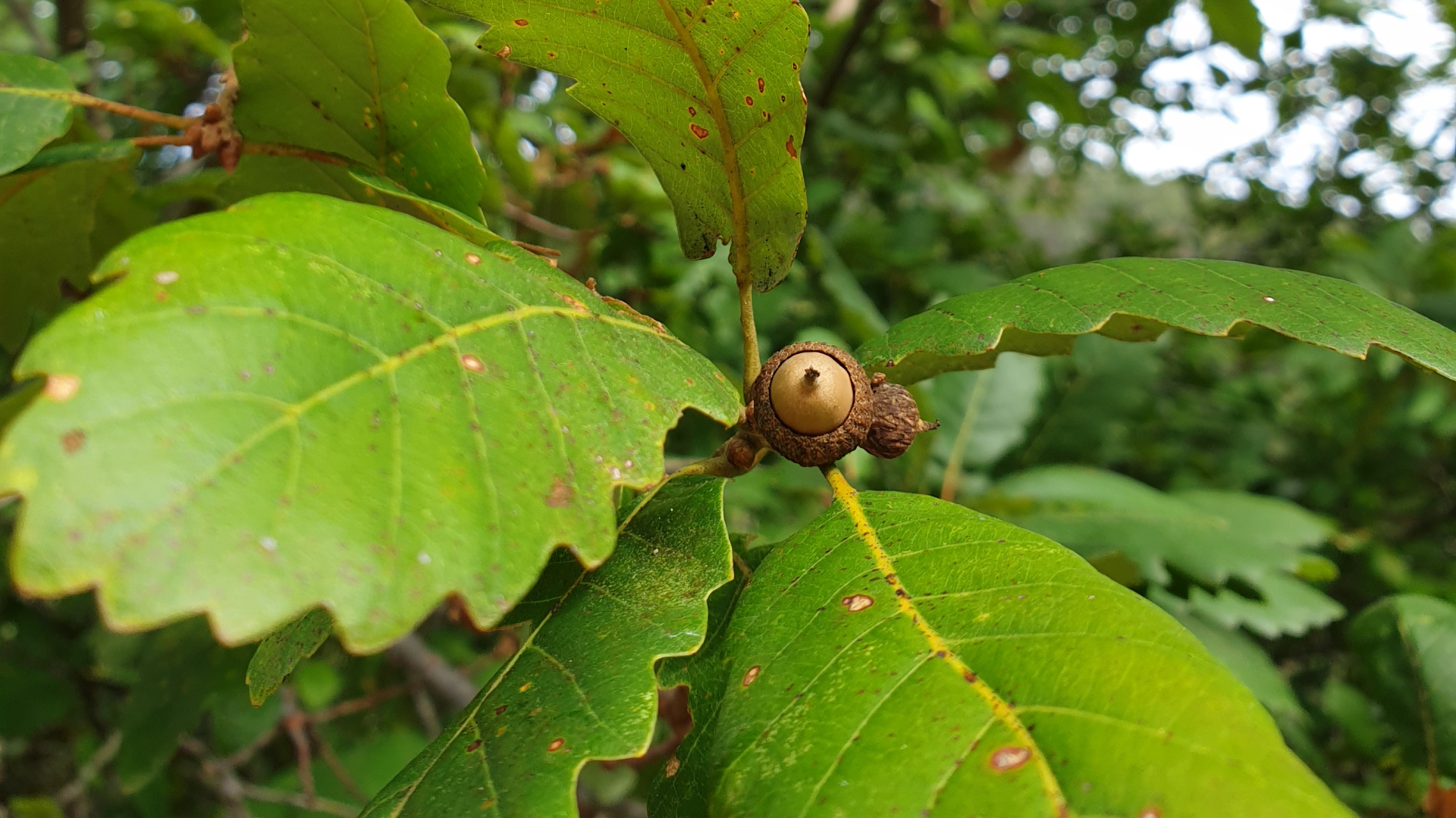


You have certainly heard of the Iberian lynx… But what about the Monchique oak? Both are endemic species seriously threatened in Portugal, yet the level of public attention they receive could not be more different.
Saving trees may not seem as appealing as rescuing wild animals, but there is a project making a real difference in the preservation of Portugal’s endemic forests – particularly the Monchique oak. Soon, this species is expected to improve its conservation status on the Red List of the Vascular Flora of Mainland Portugal (Lista Vermelha da Flora Vascular de Portugal Continental), moving from Critically Endangered to Endangered. And that is far from insignificant.
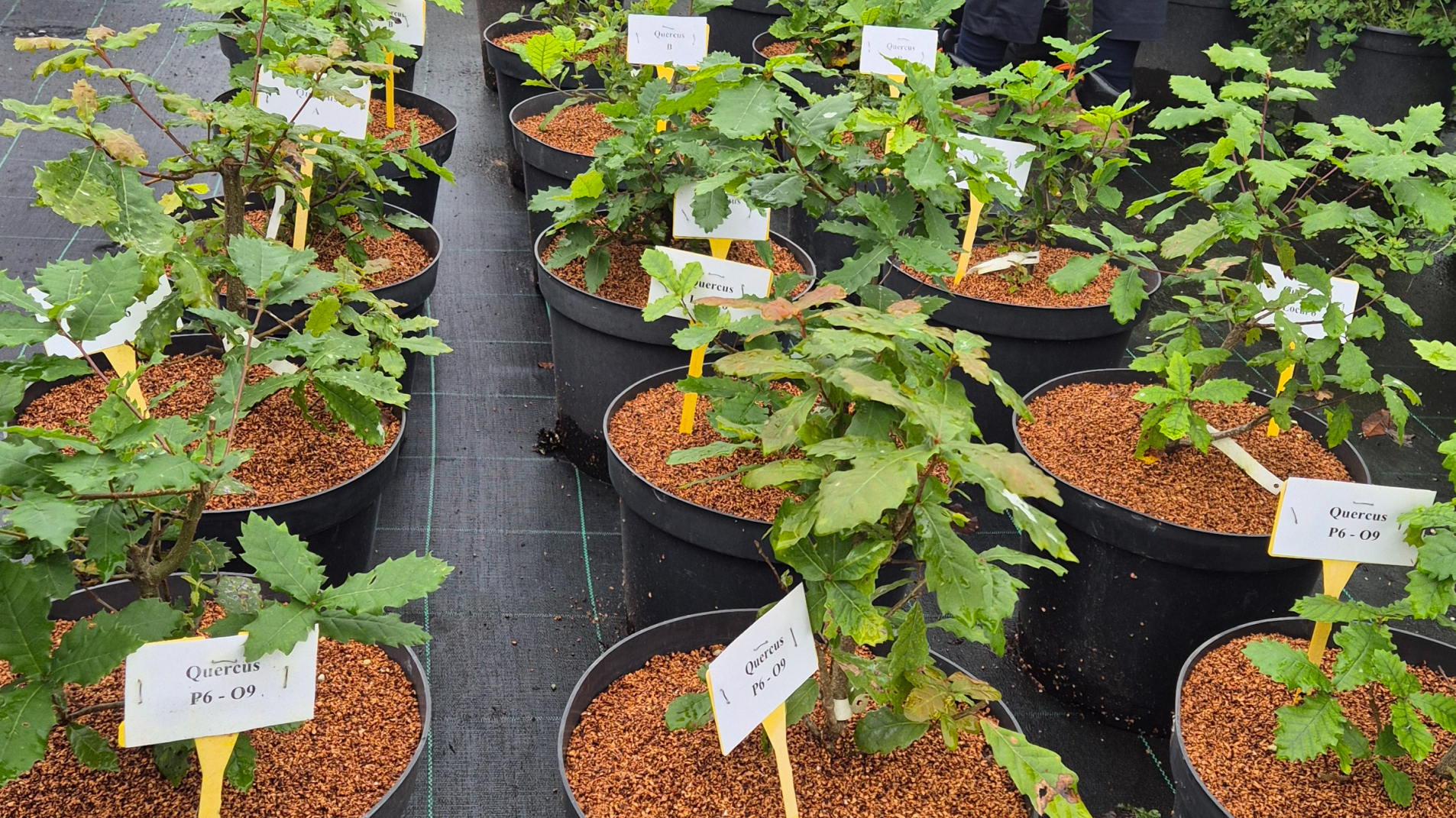
Quercus canariensis Willd. is one of the flagship species of the initiative “Genetic improvement, production and conservation of forest reproductive material”, which aims to strengthen the resilience of Portuguese forests to the impacts of climate change.
The project, whose first results have now been published, is jointly coordinated by RAIZ – Forest and Paper Research Institute and INIAV – National Institute for Agrarian and Veterinary Research, with the support of the PRR – Recovery and Resilience Plan.
In a pioneering collaboration between companies, academia and landowners, the project brings together several entities, including Navigator Forest Portugal, Viveiros Aliança and the Plant Biotechnology Centre of Beira Interior, with scientific consultancy from BIOPOLIS-CIBIO and the Botanical Garden of the University of Porto.