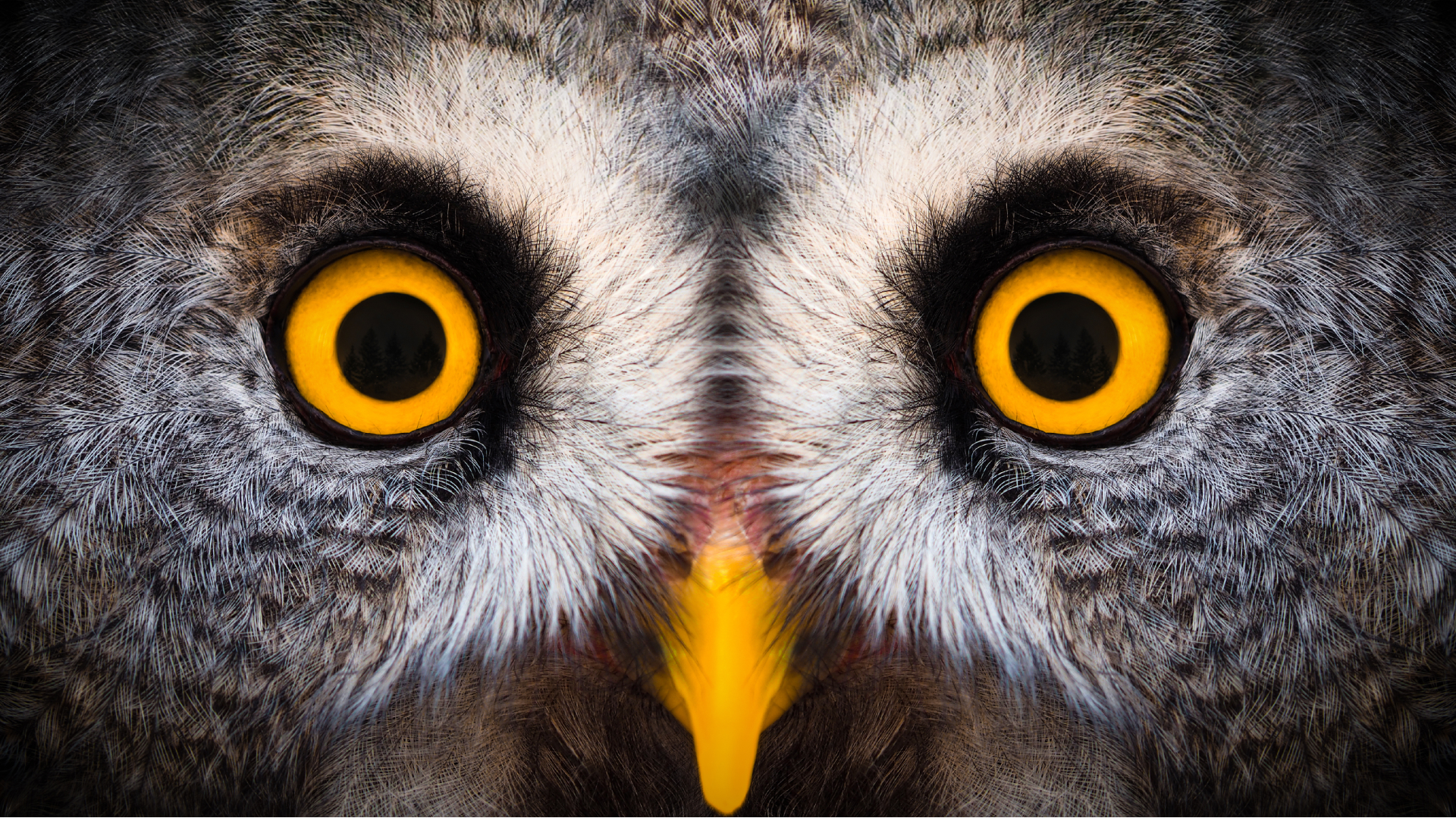


Prey or predator? No, we are not referring to a survival reality show set in some remote corner of the world, an 1980s hit song, or even an interview with a wild animal. We are all familiar with the looks of the animal characters that shaped our childhood and instantly signalled whether a species was dangerous or not. Today, rather than the lesson of a fable, biology explains whether a species evolved to be hunter or hunted.
Imprima ou partilhe nas suas redes sociais:
28 July 2026
When viewed by humans, an animal’s pupils can immediately evoke a sense of danger, challenge or even mystery. A combination of survival instinct and evolutionary heritage kept our ancestors constantly alert, eyes scanning their surroundings, ready to react to any threatening movement or sound. Today, by observing pupils, we can learn a great deal about animals, from their survival strategies to the level of threat they face. In a previous article, we explored in detail the importance of vision as a key sense for the survival of species in the animal kingdom. We leave it here for everyone to discover, as an introduction to this topic and to better understand how vision evolved
Eye to Eye with Prey and Predator
Let us begin with some context: different groups of animals have different pupil shapes. Pupils may be round, vertically slit or horizontally slit. Anyone familiar with photography and the aperture mechanism of a camera will recognise that the inspiration for its function comes from the eye. The pupil regulates the amount of light entering the eye: in low-light conditions it expands, while in bright light it contracts. In addition, just as in a camera, focusing is achieved through the adjustment and accommodation of the lens, which directs light onto the retina, the light-sensitive tissue responsible for generating images in the brain.
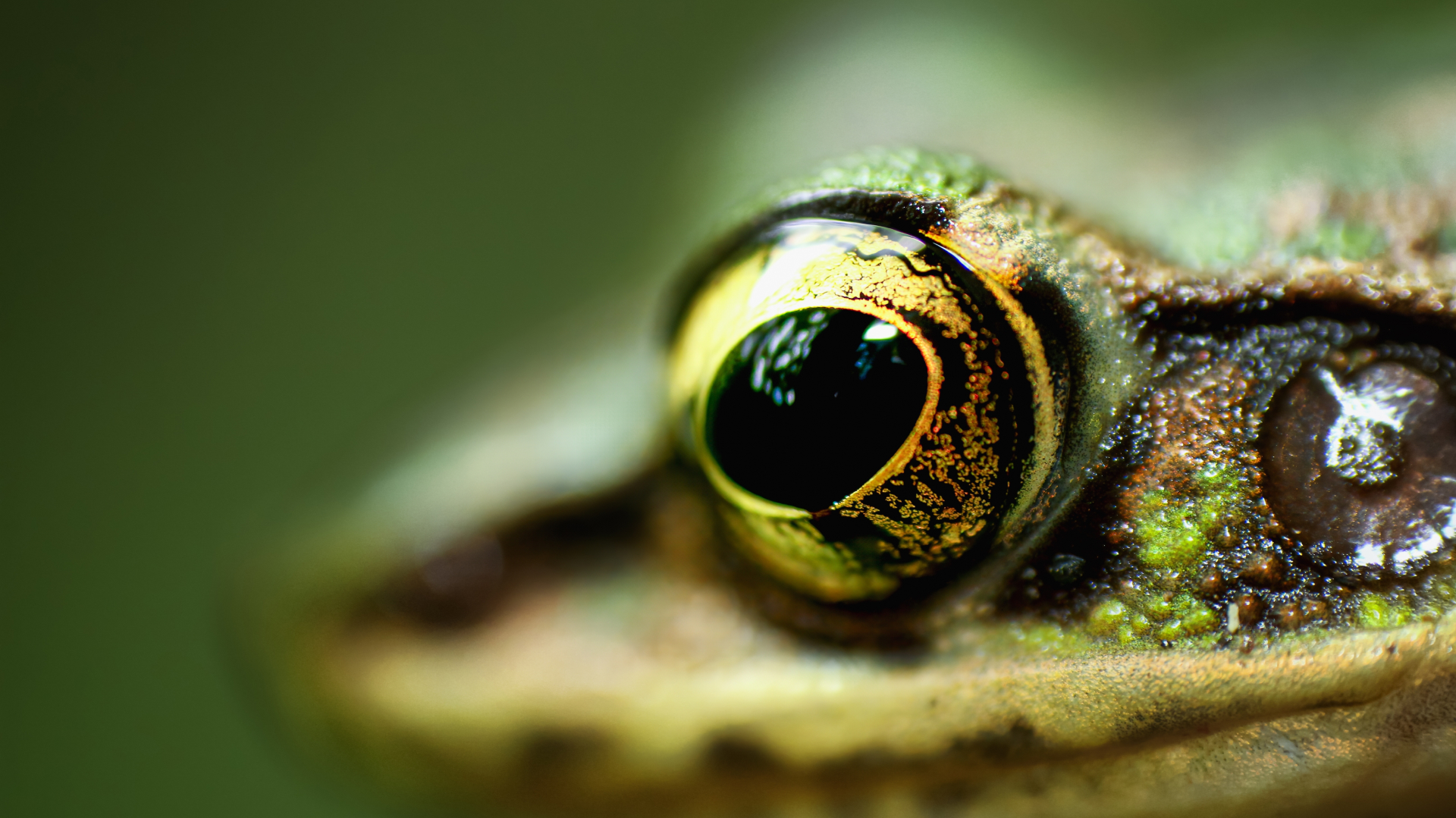
Through the study of evolution and biology, it is also possible to distinguish these two groups within the animal kingdom by the different types of pupils they possess. Animals with vertical slit pupils, such as some snakes, crocodiles, cats and foxes, are typically predators and highly skilled ambush hunters. They wait silently from a concealed position, observe their surroundings, spot a promising target, plan their move and, only at the right moment, strike their unsuspecting prey.
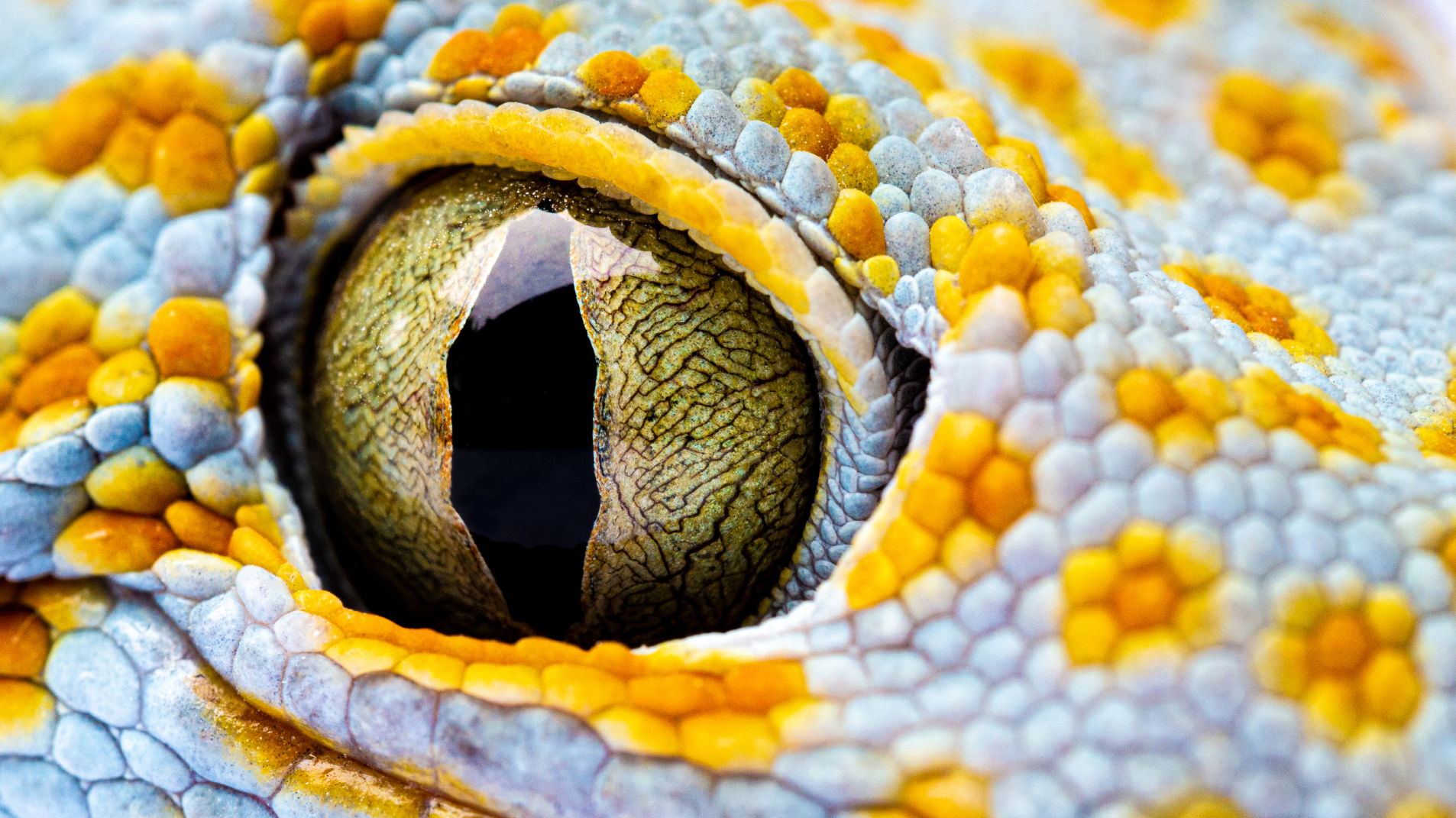
In this scenario, vertical slits are extremely important. This type of pupil is common among nocturnal predators, allowing the eye to close almost completely during the day and then dilate rapidly at night to capture more light.
It is also typical of small to medium-sized ambush predators that stay close to the ground, such as snakes, cats and crocodiles. Tall predators or those that hunt from higher elevations, such as birds, generally have round pupils.
These provide better detection and visual acuity at long distances, producing clearer and less distorted images in daylight conditions. Horizontal slit pupils are most frequently found in prey species. Think of the eyes of a peaceful goat grazing in a field and feeding on plants.
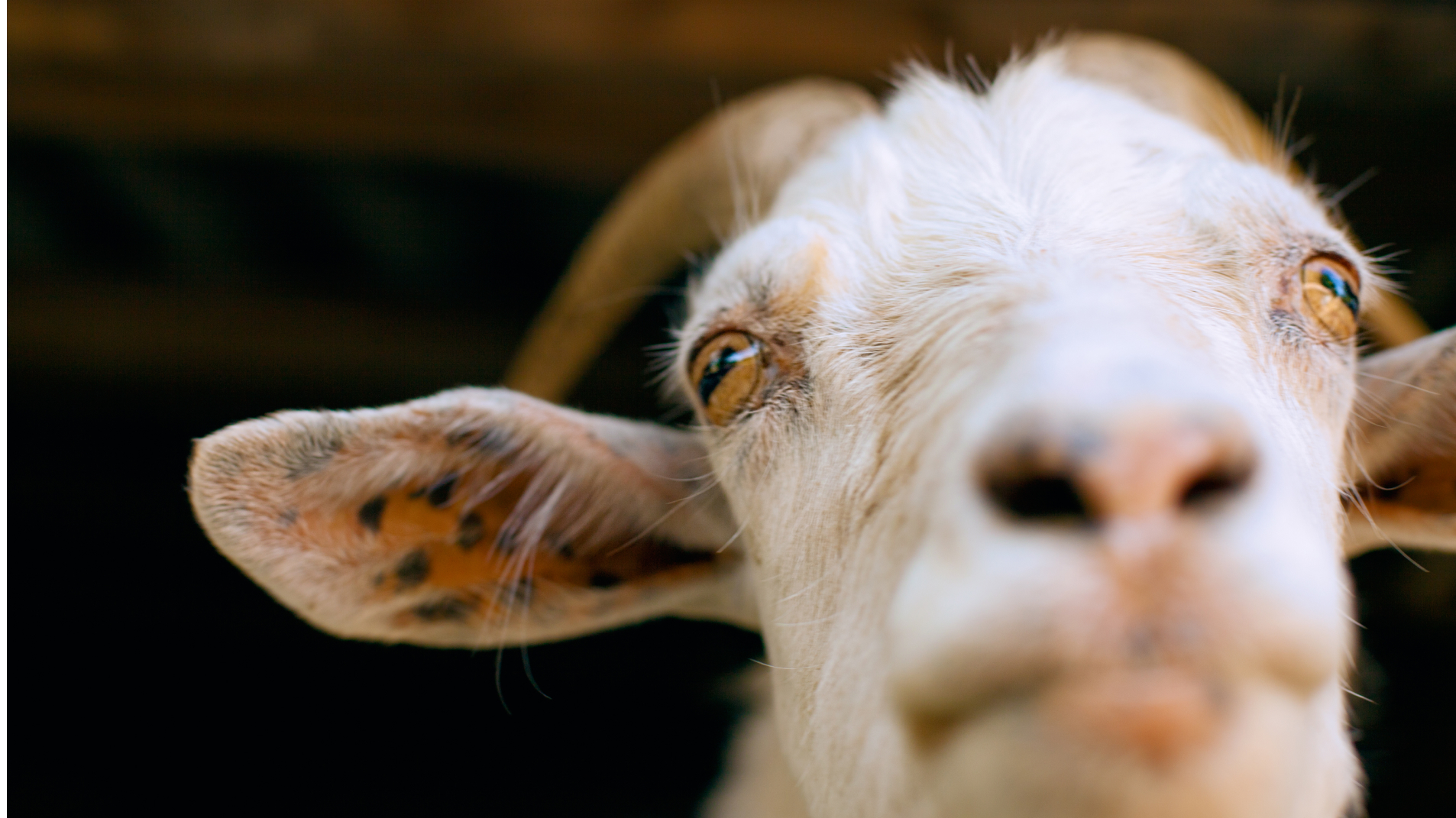
Pupil shape is therefore directly linked to a species’ survival strategy. Prey animals such as goats, cows, sheep and, in general, amphibians, have pupils with a nearly rectangular shape that provides a panoramic view of their surroundings. Whether grazing or drinking, these species can monitor almost their entire environment, always ready to flee should a predator begin planning an ambush or launch a determined pursuit
Feline Pupils
Humans often become fascinated by family origins, trying to trace the source of their genetic inheritance: who inherited great-great-grandfather’s green eyes, who acquired an aunt’s almond-shaped eyes, and why no one revived the German branch of the family with two crystalline, ocean-blue eyes. Wild cats, however, take a far more practical approach.
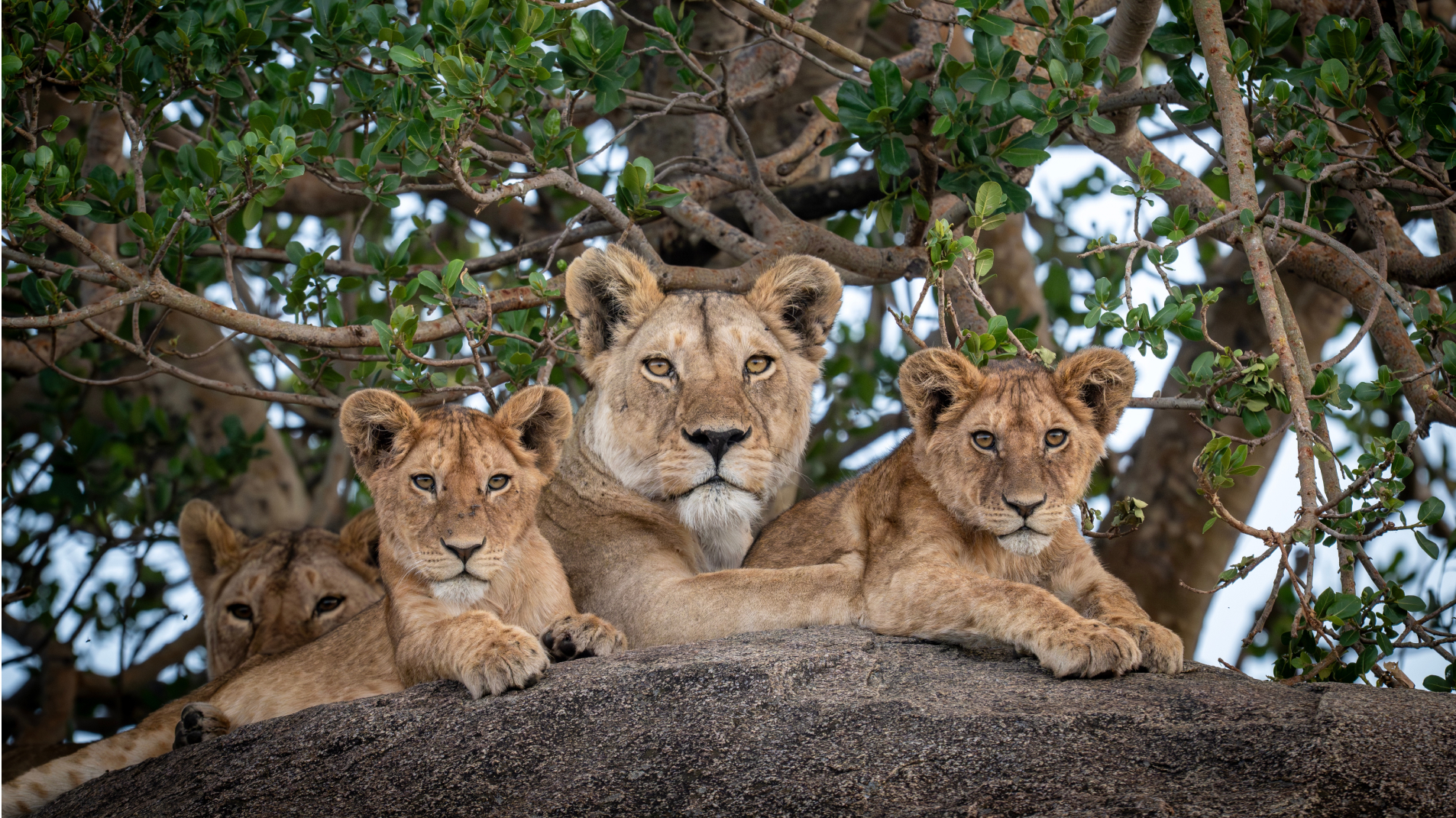
As mentioned, different members of the cat family possess different pupil shapes and seem entirely unconcerned by the fact, perhaps because they compete in different leagues when it comes to hunting. If there were ever a debate, it would no doubt take place majestically beneath the shade of a tree, among trunks, branches, vegetation and soil: the royal family council.
Pupils and animal size
As mentioned earlier, an animal’s size influences the type of pupils it develops. Domestic cats are born with vertical pupils and, often, a distinctly judgemental gaze. Guided by instinct, they are always ready to launch an ambush on a toy mouse.
The larger, more powerful and more robust members of the Felidae family, such as tigers, lions, panthers and cheetahs, on the other hand, possess round pupils that favour a more direct hunting approach, with less reliance on carefully planned ambushes.
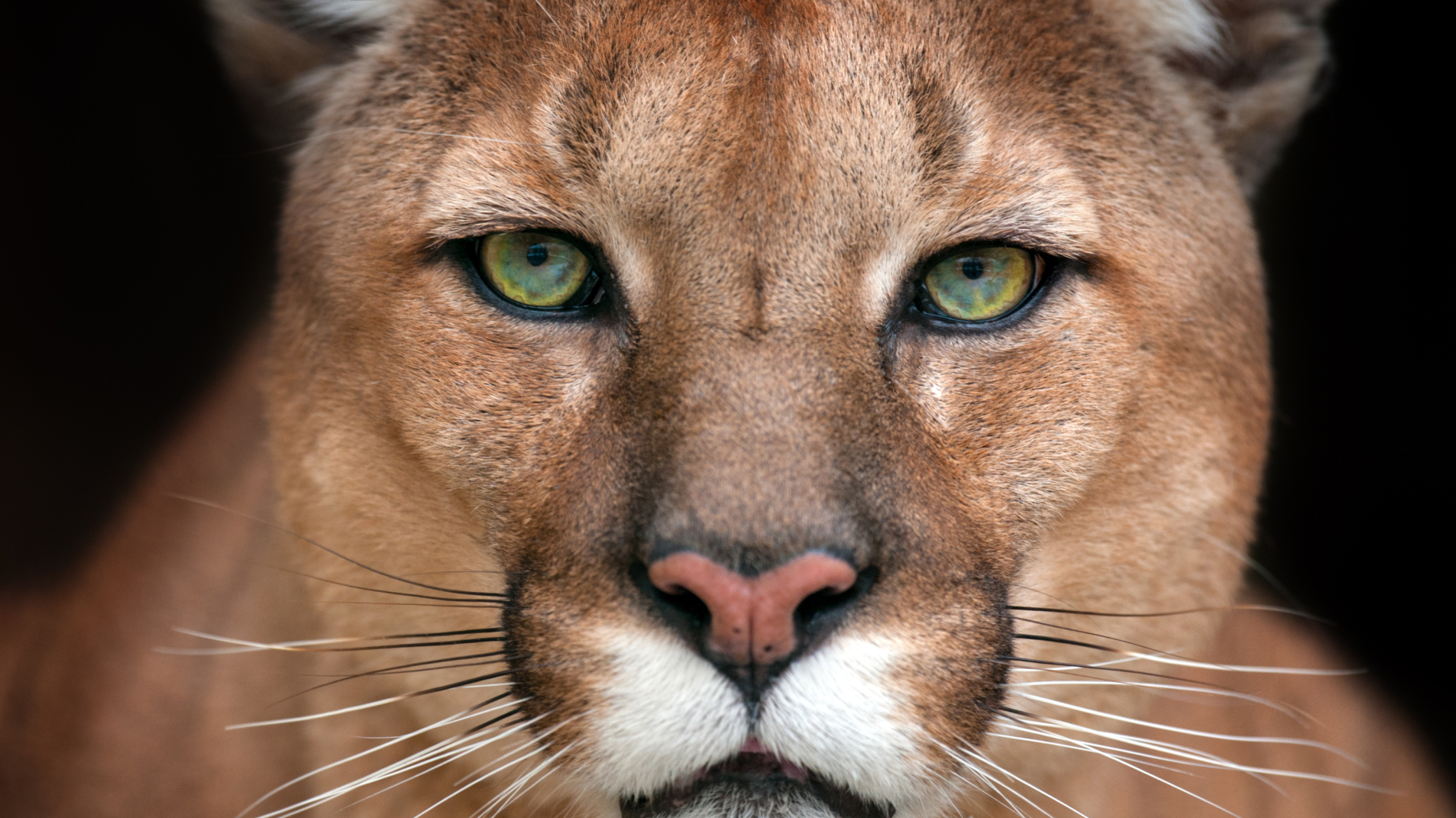
These are, of course, the legendary eyes that, when fully dilated, melt the heart of any unsuspecting human, as Puss in Boots so memorably demonstrates with his irresistible stare.
A similar pattern is found among canids, the group that includes foxes, dogs and wolves. Foxes have vertical pupils, while dogs and wolves have round pupils.
A glance into the pond
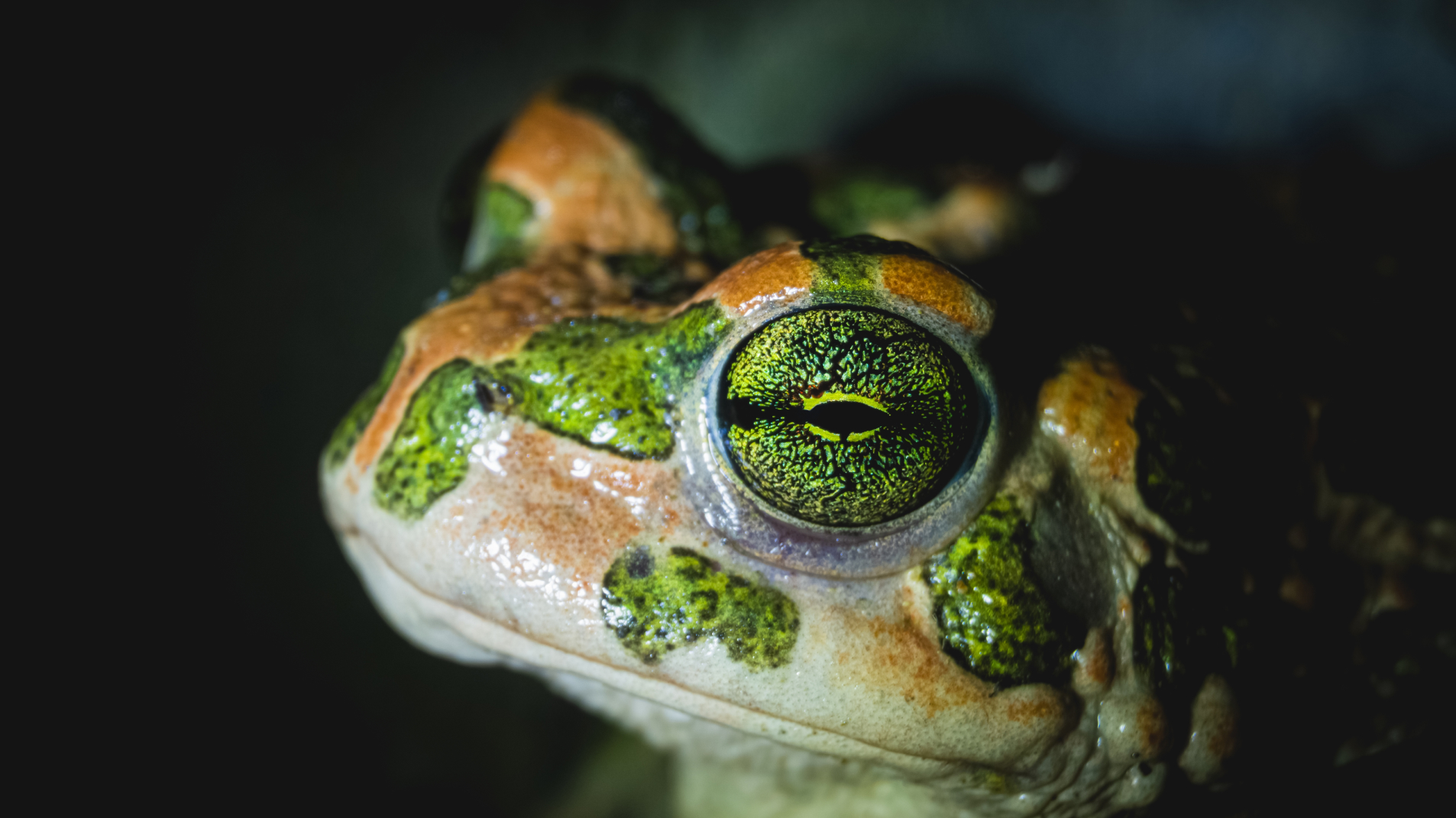
In habitats once imagined as the realm of fairies and nymphs, we encounter yet another example of pupil evolution. Amphibians, during their larval stage as tadpoles, possess eyes with round pupils, perfectly suited to life in an aquatic environment.
As metamorphosis begins, however, their pupils become oval in shape. The cornea adapts its curvature, while the upper eyelid remains fixed and the lower eyelid is transparent and mobile. This ocular adaptation reflects the fact that Anura, the diverse group of carnivorous amphibians that includes frogs and toads, depend heavily on vision to move around and locate food.
Eyes on the sky
And what about birds? They are certainly not left out of the race. If a human needs to read the eye chart at the optometrist to earn a flying licence, then any member of this animal class must surely possess exceptional visual abilities.
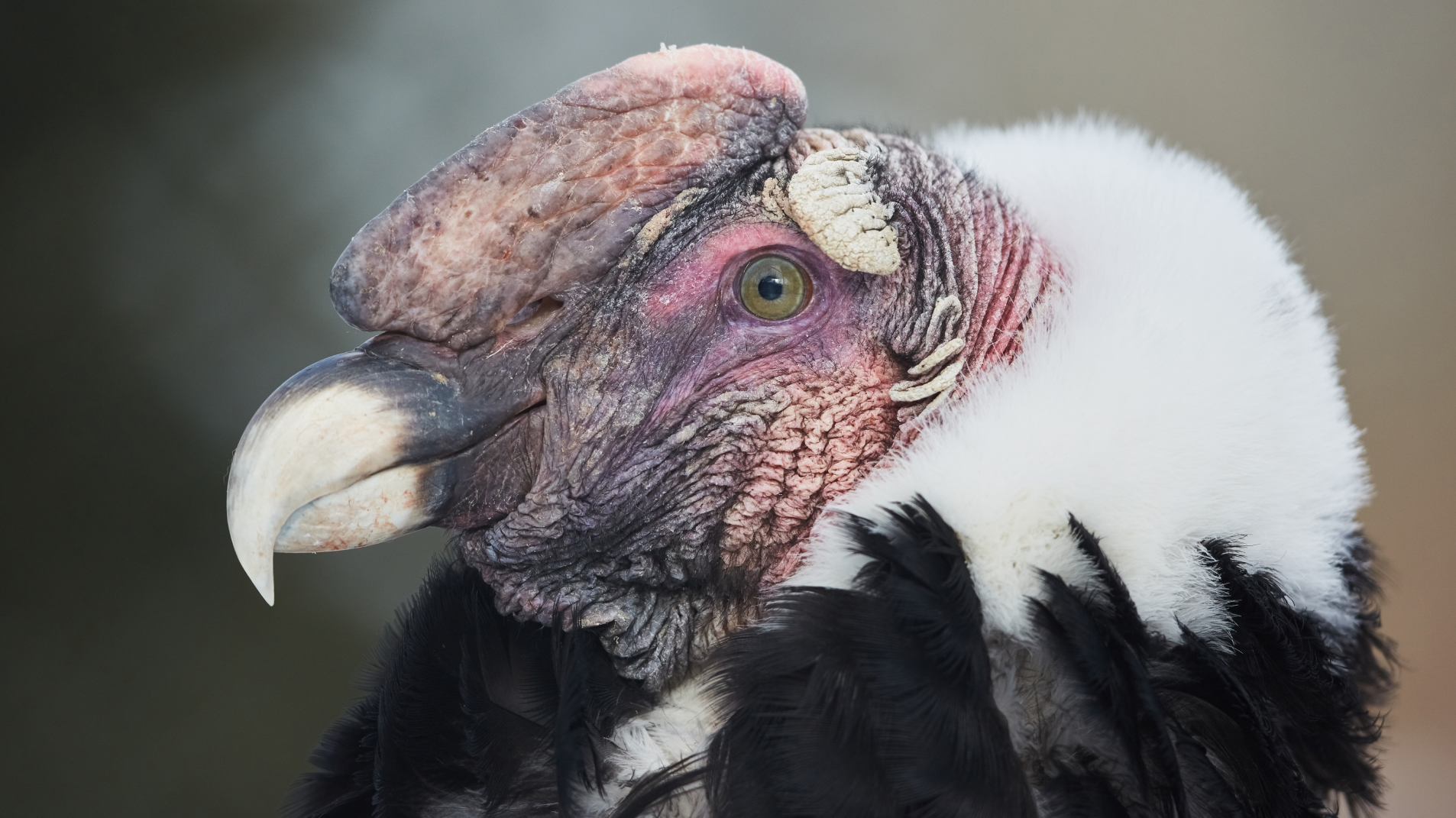
And indeed they do. Imagine the silent, shadowy and, fortunately, environmentally friendly flight of a condor, a New World vulture known scientifically asVultur gryphus. Its flight depends entirely on constant adjustments based on visual information, which varies according to the distance from a food source and the available light.
In birds, the eyeball is exceptionally large and reinforced by a ring of scleral ossicles near the lens, structures that support the many functions involved in dynamic vision. These ossicles also help maintain the spherical shape of the eye, particularly in species with vertical pupils.
Our condor, for example, possesses remarkable visual acuity. A large proportion of the image it sees is projected onto the retina, which contains a highly developed system of cones and rods. Fifteen per cent of the weight of its head is made up of its eyeballs. Vision truly worth its weight in gold.
An active volcano is one that has erupted within the last ten thousand years, is currently erupting, or shows signs that it may erupt again in the near future. An extinct volcano shows no indication of future activity. Between these two extremes are dormant volcanoes, which have shown no activity for centuries or even millennia but still retain the potential to awaken. In practice, distinguishing between an extinct and a dormant volcano is not always straightforward.
The Soufrière Hills volcano on the Caribbean island of Montserrat (pictured below) was classified as extinct when, in 1995, it erupted violently, forcing the partial evacuation of the island. It has remained active ever since. This uncertainty is part of the nature of volcanoes and is also what makes them so fascinating to scientists.