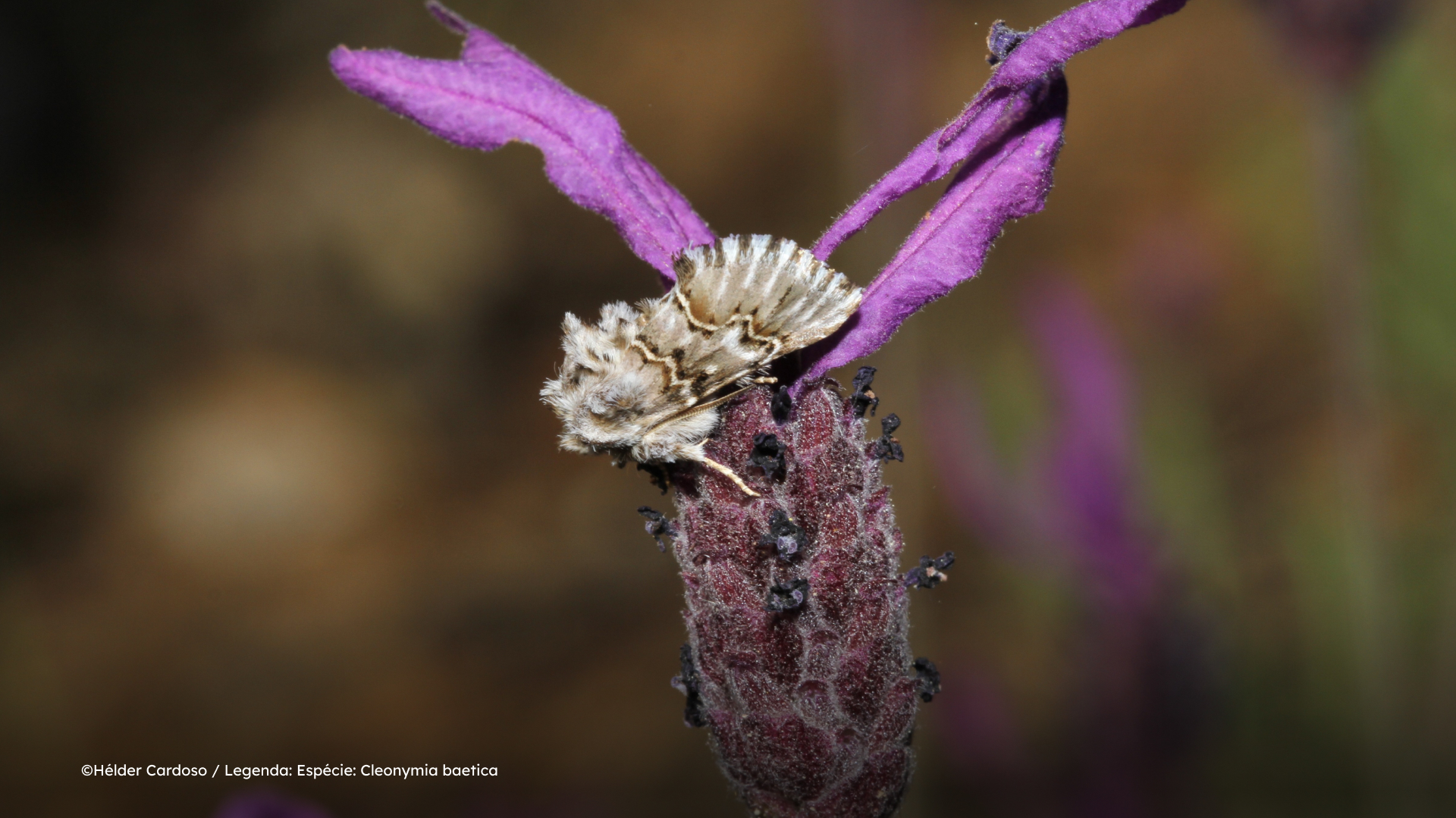


While most people are asleep, thousands of tiny wings begin to move through the darkness. Discreet, silent and often overlooked, moths play an essential role in ecosystems. It is to better understand them that an inventory is currently being carried out at Herdade do Zambujo.
Imprima ou partilhe nas suas redes sociais:
The Moth Inventory is a project developed by AgroLepi, originating from an initiative led by entomologist Hélder Cardoso, to use Lepidoptera communities as indicators of the sustainability and ecological quality of agricultural and forest systems. Given the ecological restoration project being implemented at Herdade do Zambujo by The Navigator Company, bringing the two initiatives together was a natural step.
The work has been underway since April and will continue until December 2026, covering the main activity periods of the different species. More than simply producing a list of the moths occurring on the property, the goal is to understand the state of local biodiversity and assess how the ecological restoration measures implemented on the estate influence insect communities over time.
Zambujo as a living laboratory
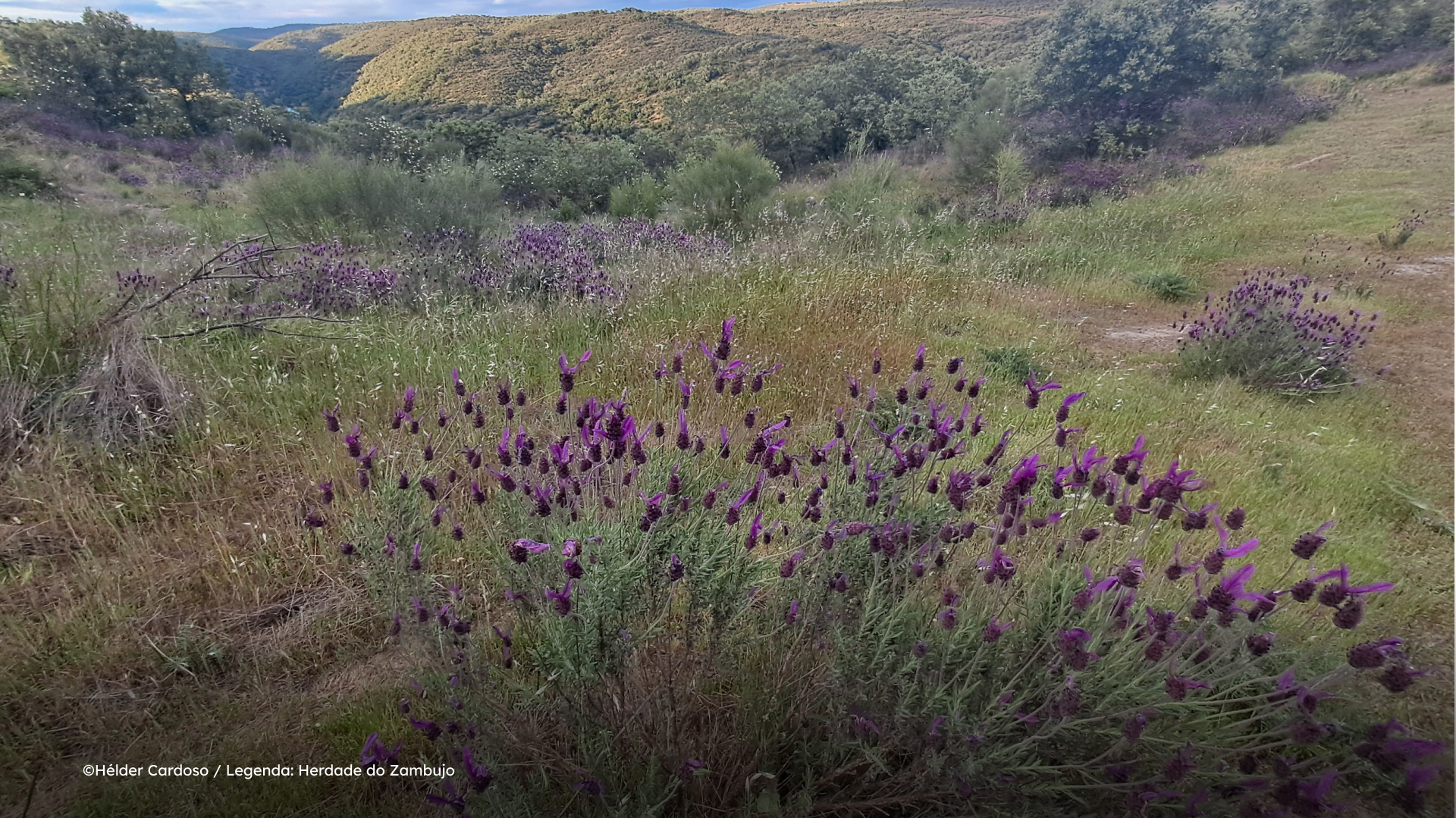
The choice of this estate was no coincidence. Located in an inland region of Portugal that remains relatively understudied from an entomological perspective, it brings together a wide variety of habitats, ranging from forest plantations to areas at different stages of ecological succession, creating favourable conditions for a high diversity of species.
At Zambujo, different habitat types and ecological succession stages coexist, from eucalyptus stands to areas undergoing restoration and more mature patches of native woodland. This diversity provides an ideal setting for comparing moth communities across different environments and understanding which habitats support the greatest
The Importance of Moths
When we think of butterflies, we usually picture the that can be seen during the day. However, of the approximately 2,700 species of Lepidoptera found in Portugal, only a small fraction (5%) are day-flying butterflies. The vast majority are active primarily under the cover of night.
Although less well known, moths are essential to the balance of ecosystems. They contribute to the pollination of numerous plants, provide an important food source for birds, bats and other animals, and, due to their sensitivity to environmental change, serve as excellent bioindicators of habitat quality.
The main difference between butterflies and moths lies, essentially, in their nocturnal habits.
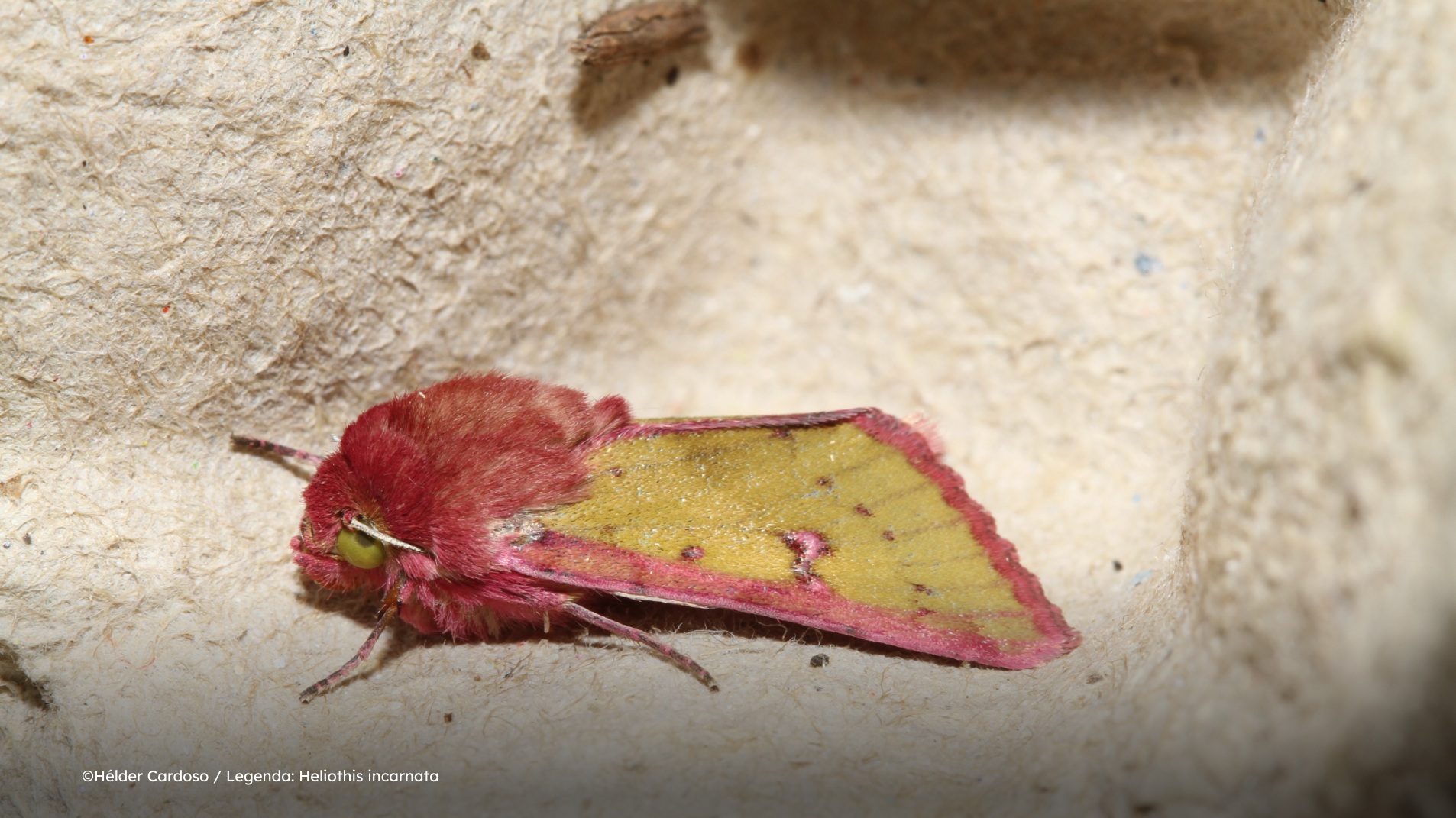
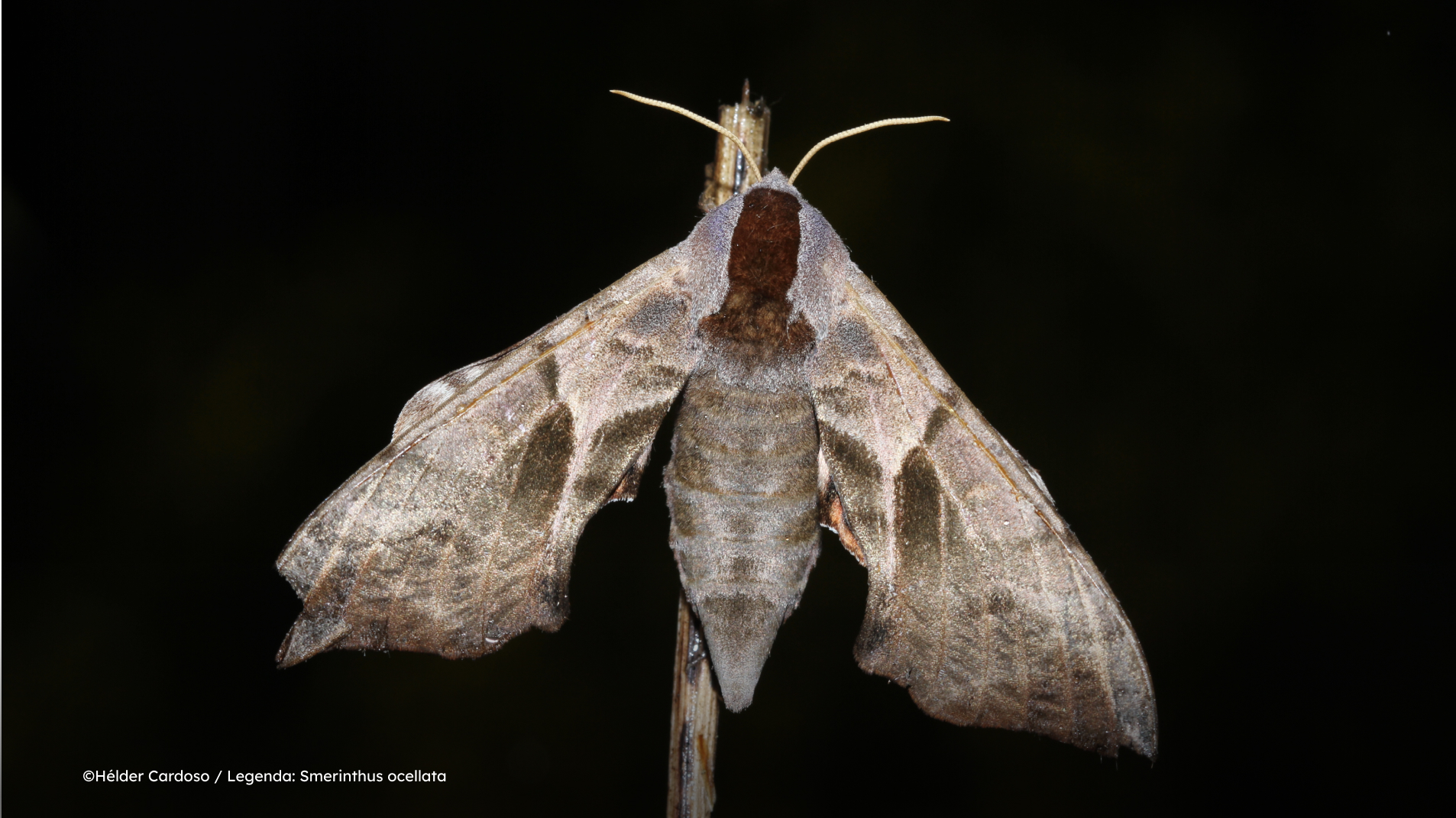
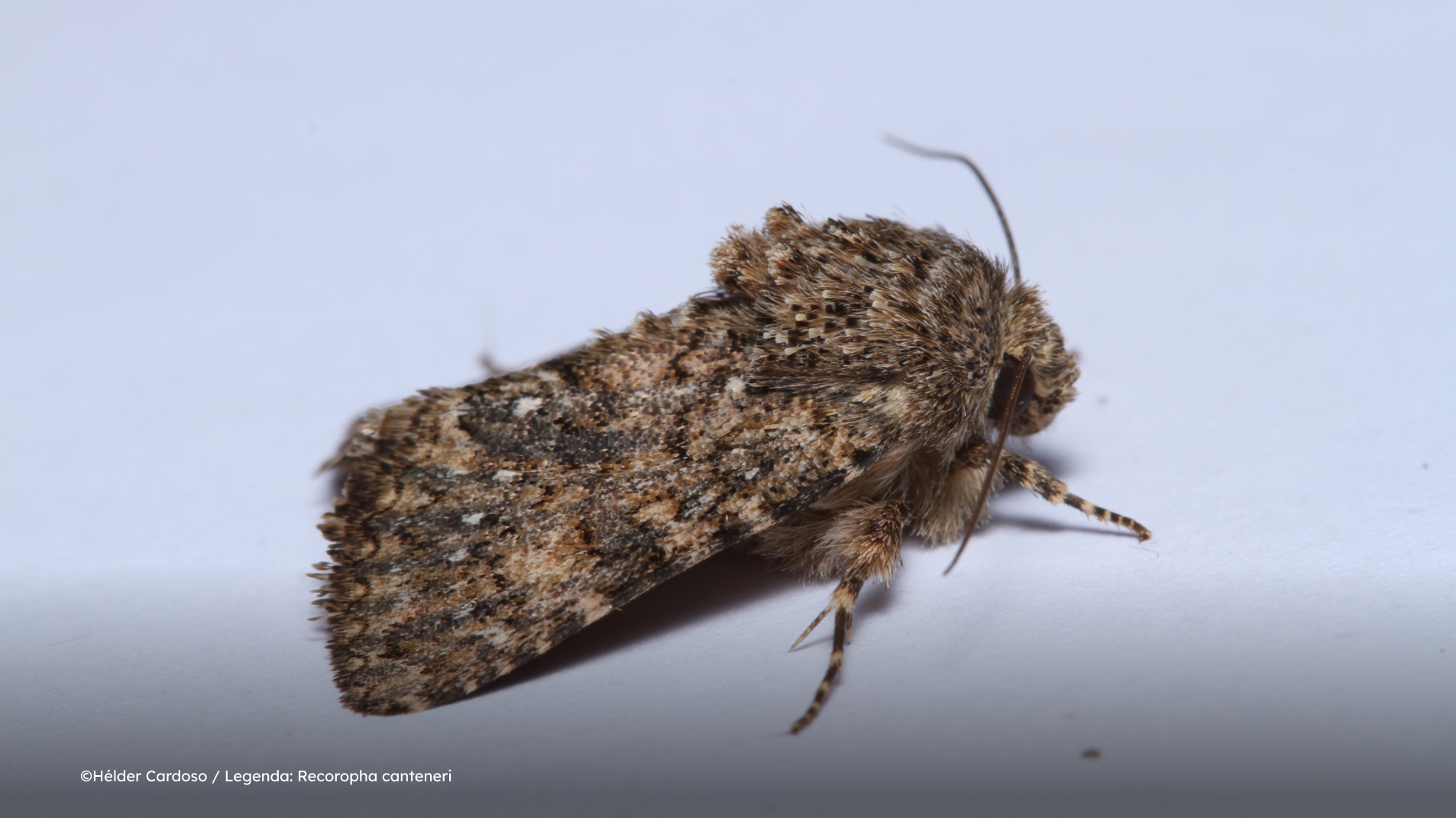
“In general, moths tend to display more discreet colouration, often in shades of brown, grey or beige, which allows them to remain unnoticed while resting. In many cases, they also have antennae that differ in shape from those of butterflies, whose antennae typically end in a club-shaped tip. However, these characteristics do not always apply, given the enormous diversity within this group,” explains Hélder Cardoso.
That said, some moths exhibit vivid colours and striking patterns, with certain species being just as spectacular, if not more so, than their daytime counterparts.
Methodology and Fieldwork
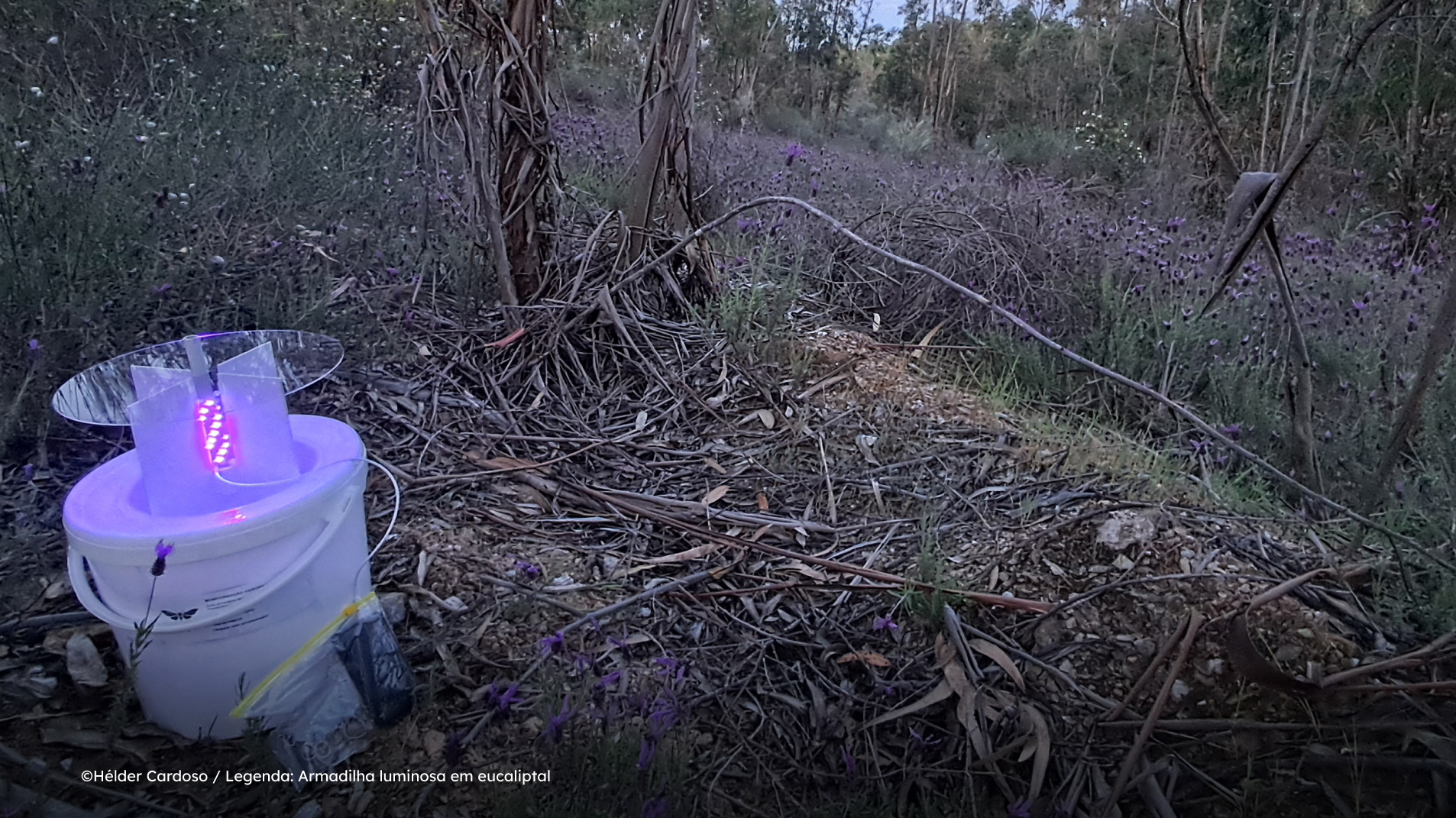
o study them, the teams carry out five-day expeditions spread throughout the year. The main method used is light trapping, which attracts insects during the night.
In addition, entomological nets and pheromone traps are used to increase the likelihood of detecting different species. Survey sessions are carefully planned for nights without rain, with little wind and, whenever possible, close to the new moon, conditions that significantly increase sampling success.
The vast majority of specimens observed are identified and released on site. Samples are only collected in specific cases where laboratory confirmation is required.
First results and discoveries
And there have already been some surprises. During the survey carried out in April alone, more than 3,000 moths were recorded. Among the most significant findings was “the confirmation of the presence of a species not yet documented in Portugal, a discovery that will soon be announced through a scientific publication,” reveals the entomologist.
Another particularly interesting result was the high abundance of species belonging to the genus Cleonymia, which are associated with well-preserved Mediterranean habitats. In total, around 900 individuals representing three species from this group were observed, an encouraging sign of the ecological quality of certain areas of the property.
A look towards the future
The true value of this inventory, however, may become evident in the years ahead. “The data collected will improve our understanding of species distribution, help identify rare or poorly documented species, and expand knowledge of their ecological preferences,” says Hélder Cardoso.
Beyond its scientific value, the data will also be used to assess how insect communities respond to conservation and ecological restoration measures, both at local and regional scales.
Finally, the entomologist notes that “we hope this project will help demonstrate that ecological restoration and biodiversity conservation can produce concrete and measurable results. Knowing which species inhabit a given area is the first step towards understanding, valuing and conserving it more effectively.”
Sometimes, it is precisely the most discreet creatures that tell the most important stories about the health of ecosystems. And at Herdade do Zambujo, those stories are only now beginning to emerge from the darkness, one night at a time.
Did You Know…?
- The diversity of forms, colours and life strategies makes moths one of the most fascinating groups of insects in our fauna.
- Their caterpillars provide food for numerous predators, including birds, reptiles and arthropods, while adult moths are prey for bats, nocturnal birds and other insect-eating animals.
- Caterpillars also play an important role in vegetation dynamics by feeding on leaves, flowers, seeds and other plant tissues, establishing highly specific ecological relationships with their host plants. Many species depend on a single plant species, or on a restricted group of plants, to complete their life cycle.
