Dune systems – A primary succession
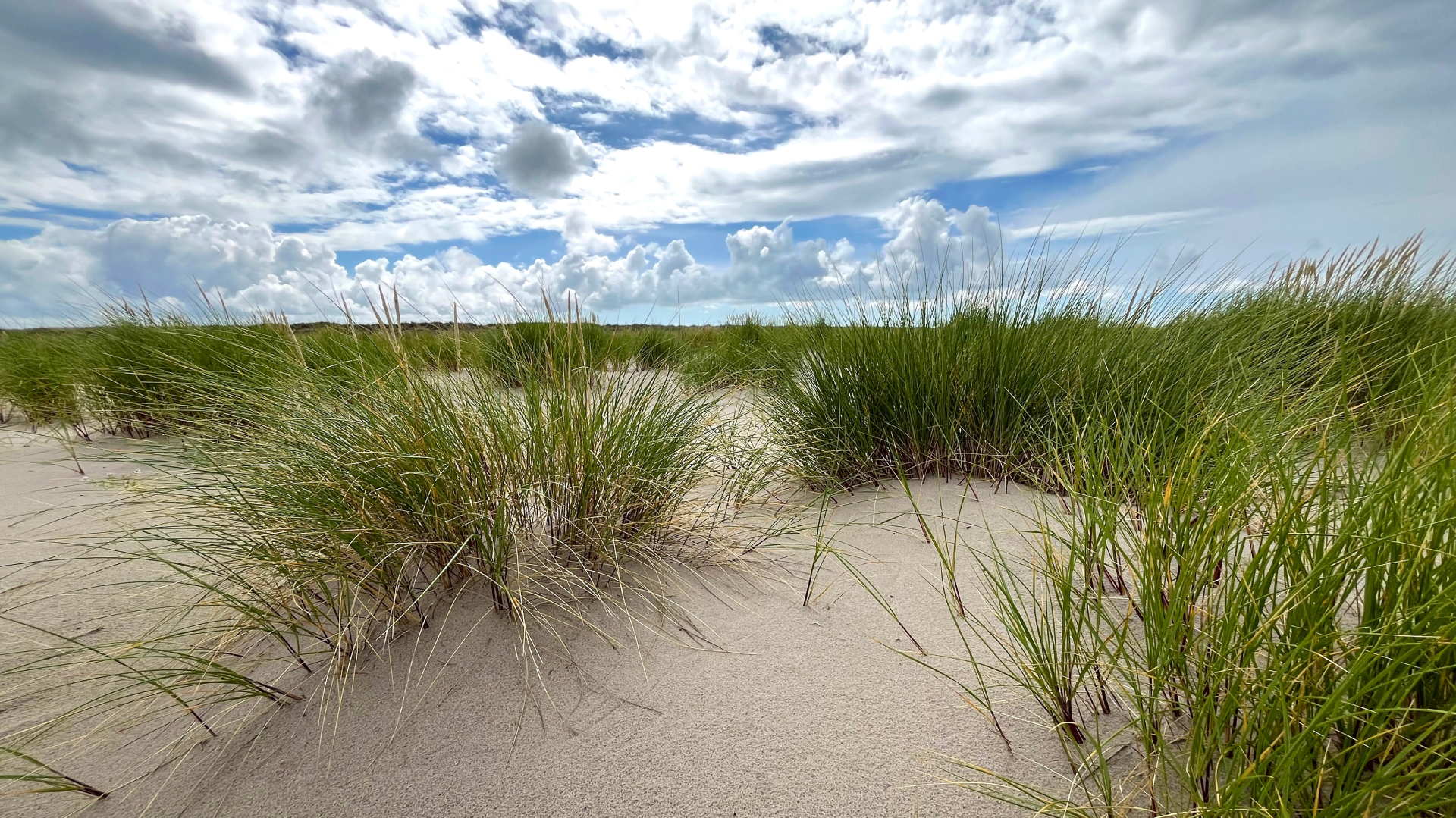
Dunes stand out for both their instability and salinity. Pioneer species face harsh wind conditions and nutrient shortages in this environment. Their main mission – should they choose to accept it – is to stabilise sands and create conditions for plant succession.
European Marram Grass (Ammophila arenaria), with its deep roots and flexible stems, is skilled in establishing primary dunes and creating microhabitats for new species, given its ability to form tufts that will serve as the basis for future species.
The sea cottonweed (Otanthus maritimus), the sea thrift (Armeria maritima) or the Portuguese crowberry (Corema album), on the other hand, stabilise inland sands and pave the way to more biodiversity.
Post-fire areas – A secondary succession
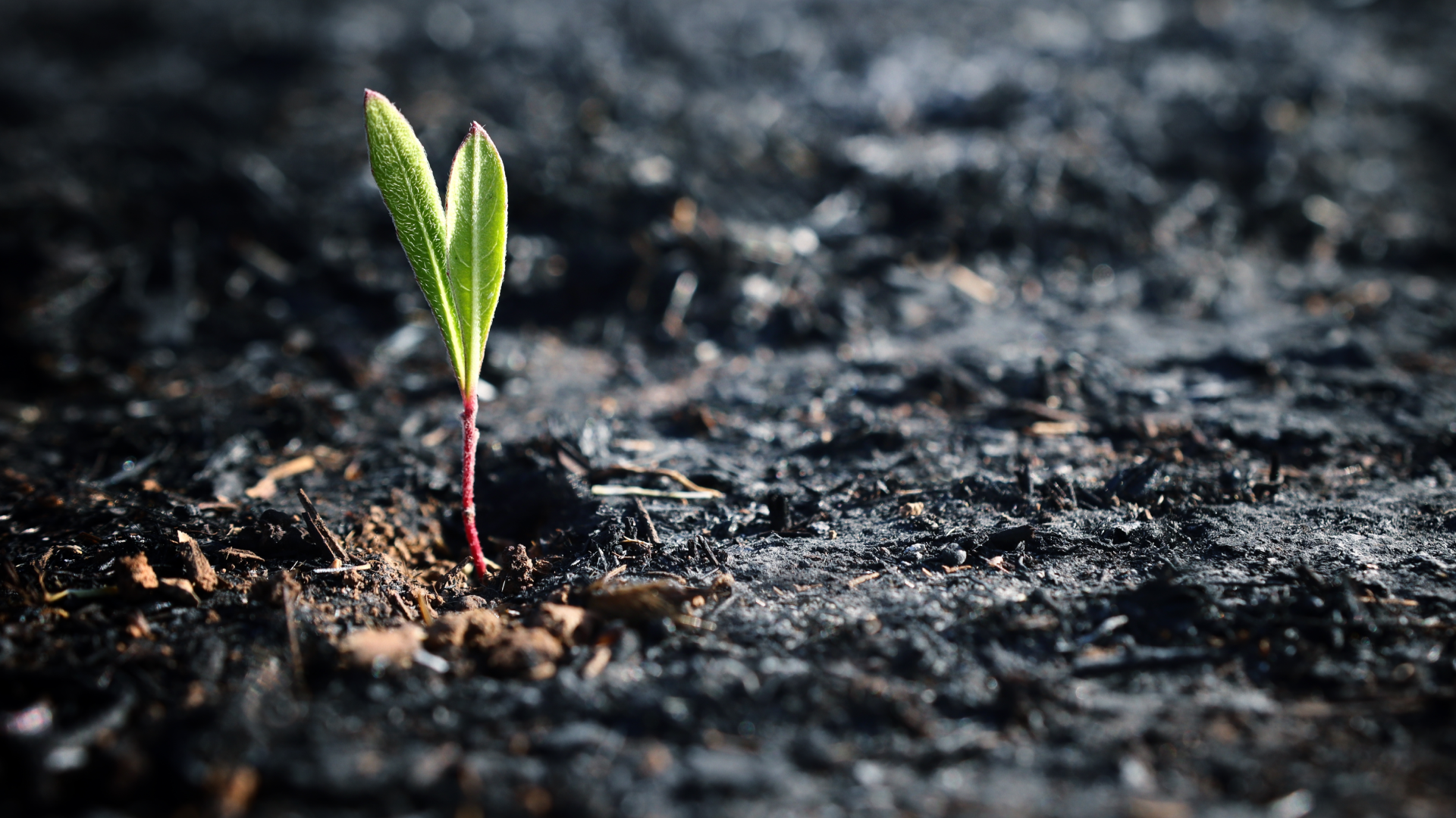
After a fire, the soil is exposed and vulnerable to erosion. Pioneer species, such as the three main Portuguese forest species (pine, cork oak and holm oak), are fundamental for the quick regeneration of the soil and restoration of the ecosystem.
The maritime pine (Pinus pinaster) “uses” heat to facilitate the release of its seeds, which, when they germinate and grow, provide shade for new species. The cork oak (Quercus suber), thanks to its thick cork, resists fire and helps recover degraded soil.
Plants such as rosemary (Lavandula stoechas) and prickly broom (Pterospartum tridentatum) tend to emerge after a fire, given their capacity to withstand soil drought and high temperature, thus quickly occupying the burned and unoccupied land.
Certain herbs, such as underground clover (Trifolium subterraneum), also help cover exposed soil, preventing erosion and improving its fertility.
The ecological value of Pioneer Species
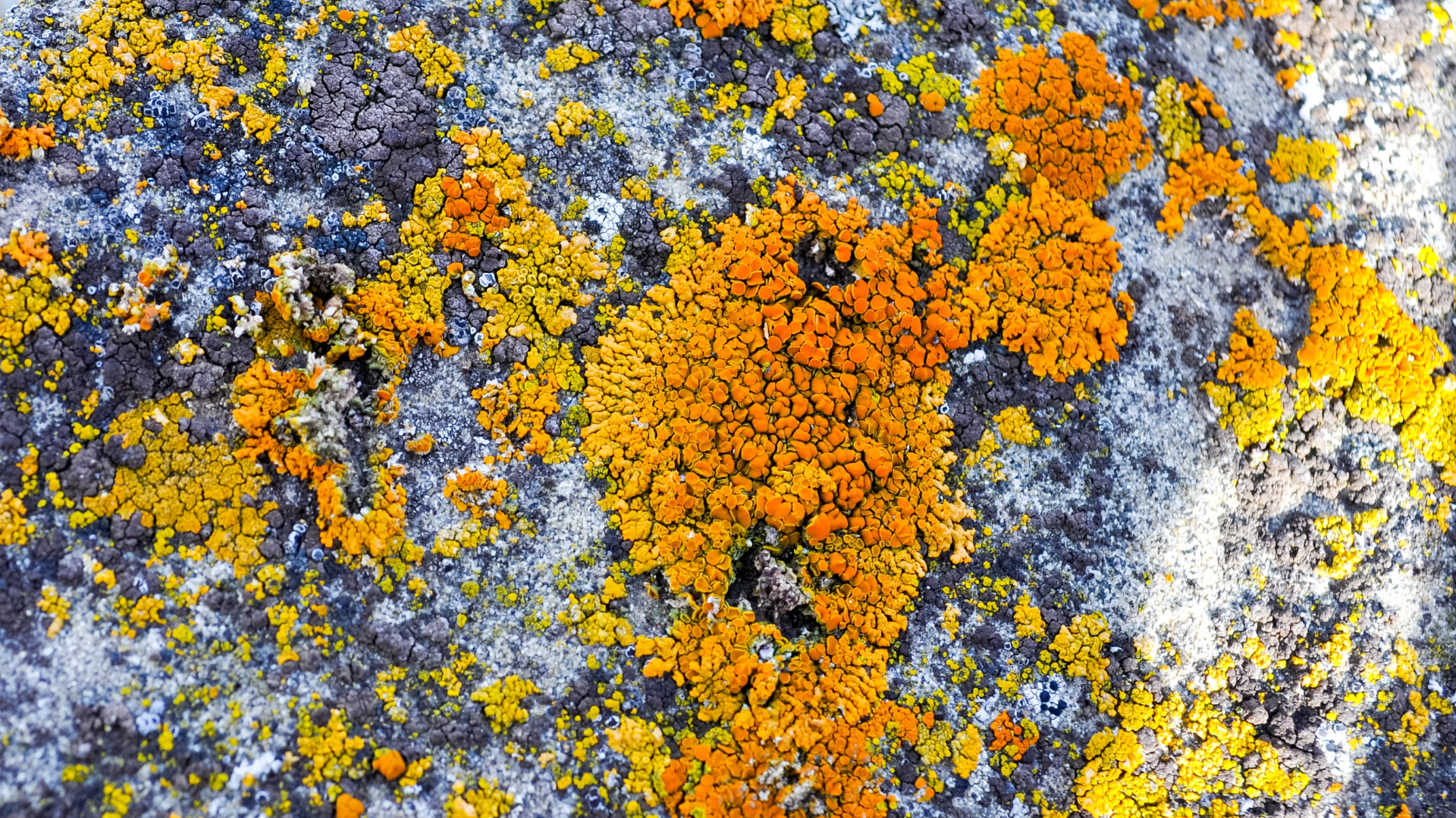
Pioneer species are ecological transformation agents. By stabilising the soil, accumulating organic matter, creating shade and retaining water, they prepare the ground for the succession of life and for species that require more demanding conditions.
Its deep and/or branched roots increase soil cohesion and, when they decompose, improve it with nutrients that dramatically improve its fertility. In addition, they help moderate extreme temperatures and increase environmental humidity, making the habitat more hospitable.
And as they attract insects, birds and mammals, they also promote seed dispersal and pollination, accelerating the natural regeneration process.
In short, pioneer species are the foundations of ecological restoration, the “first to arrive” and those responsible for ensuring the appearance or return of life.