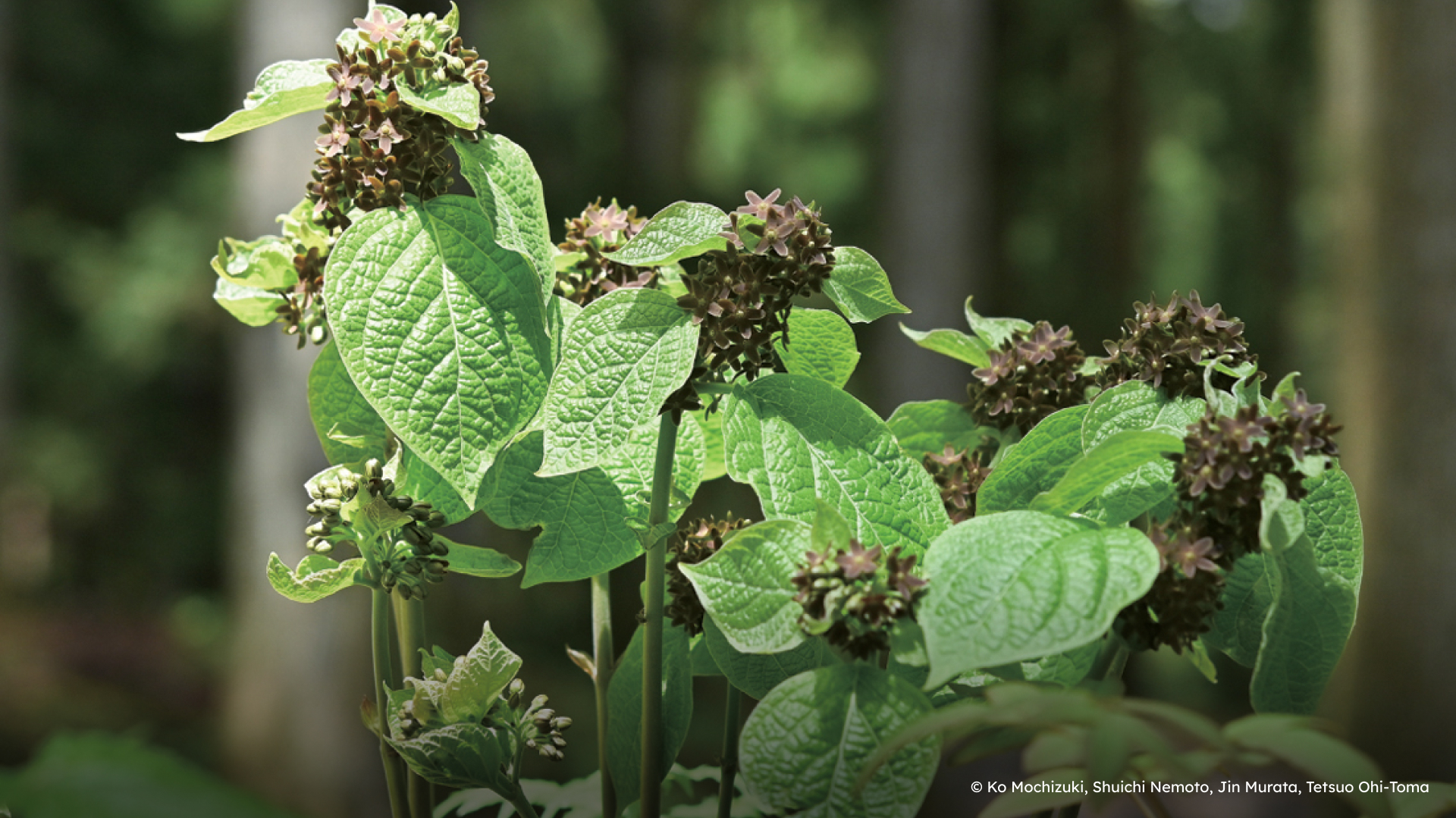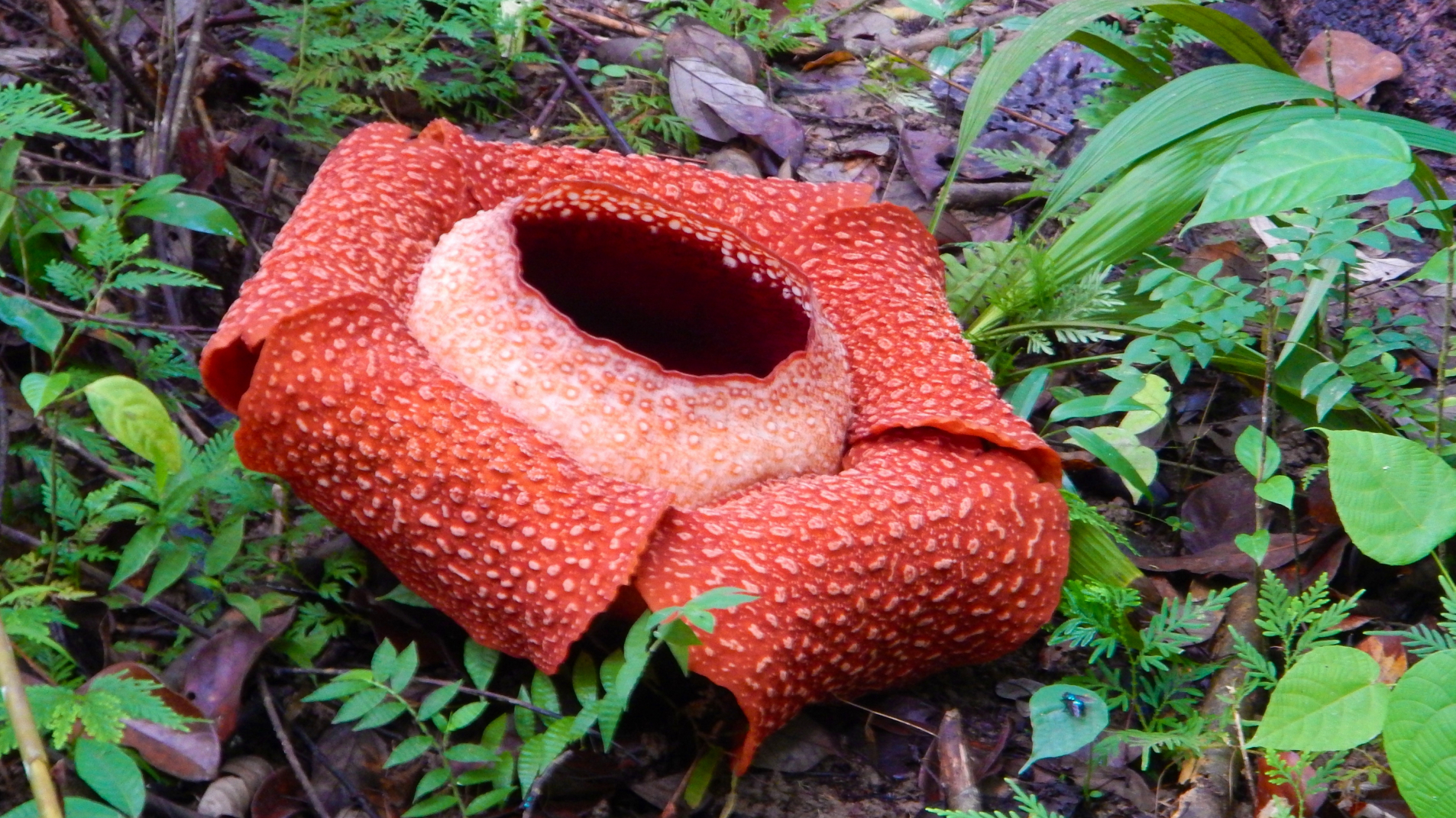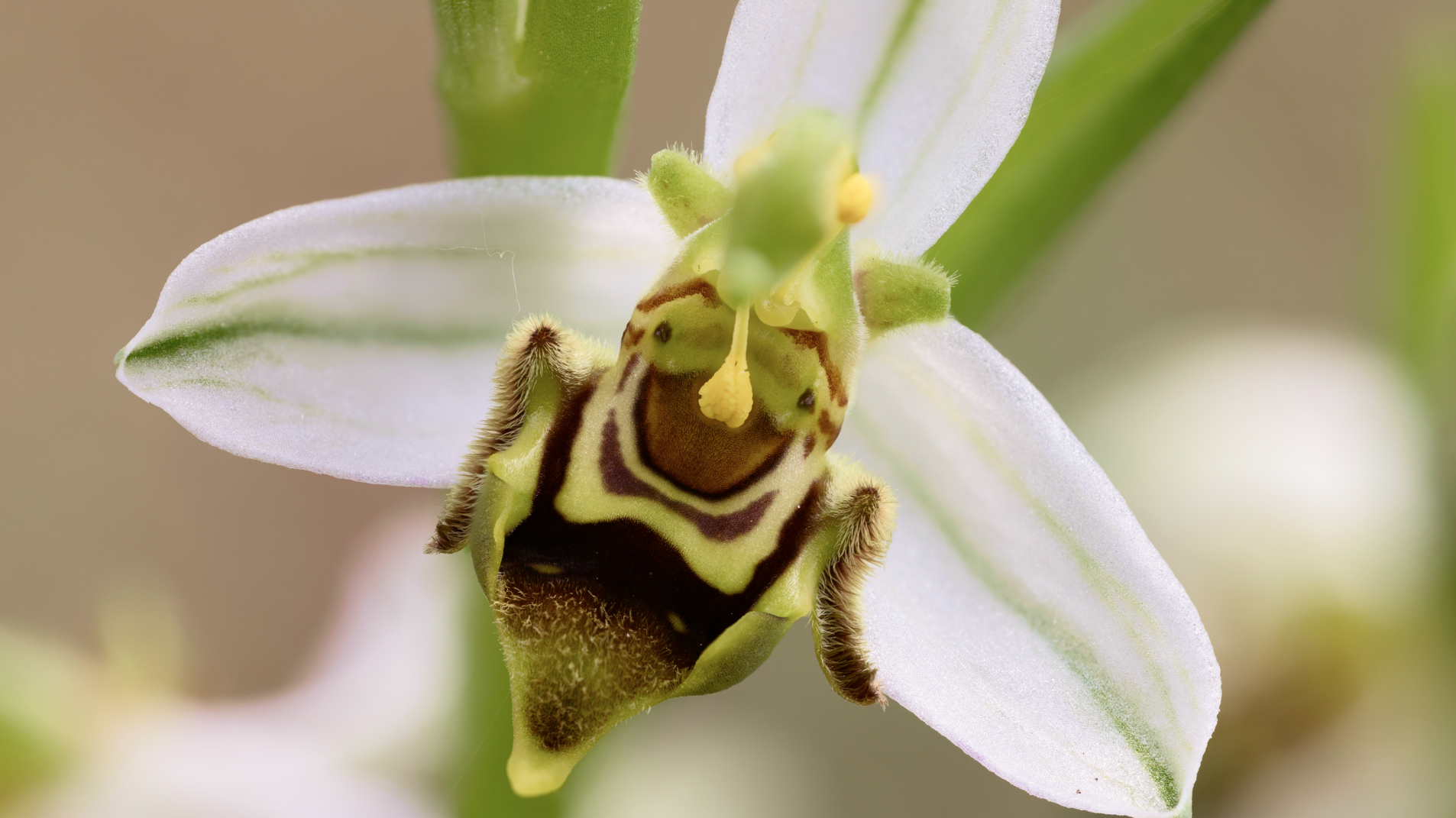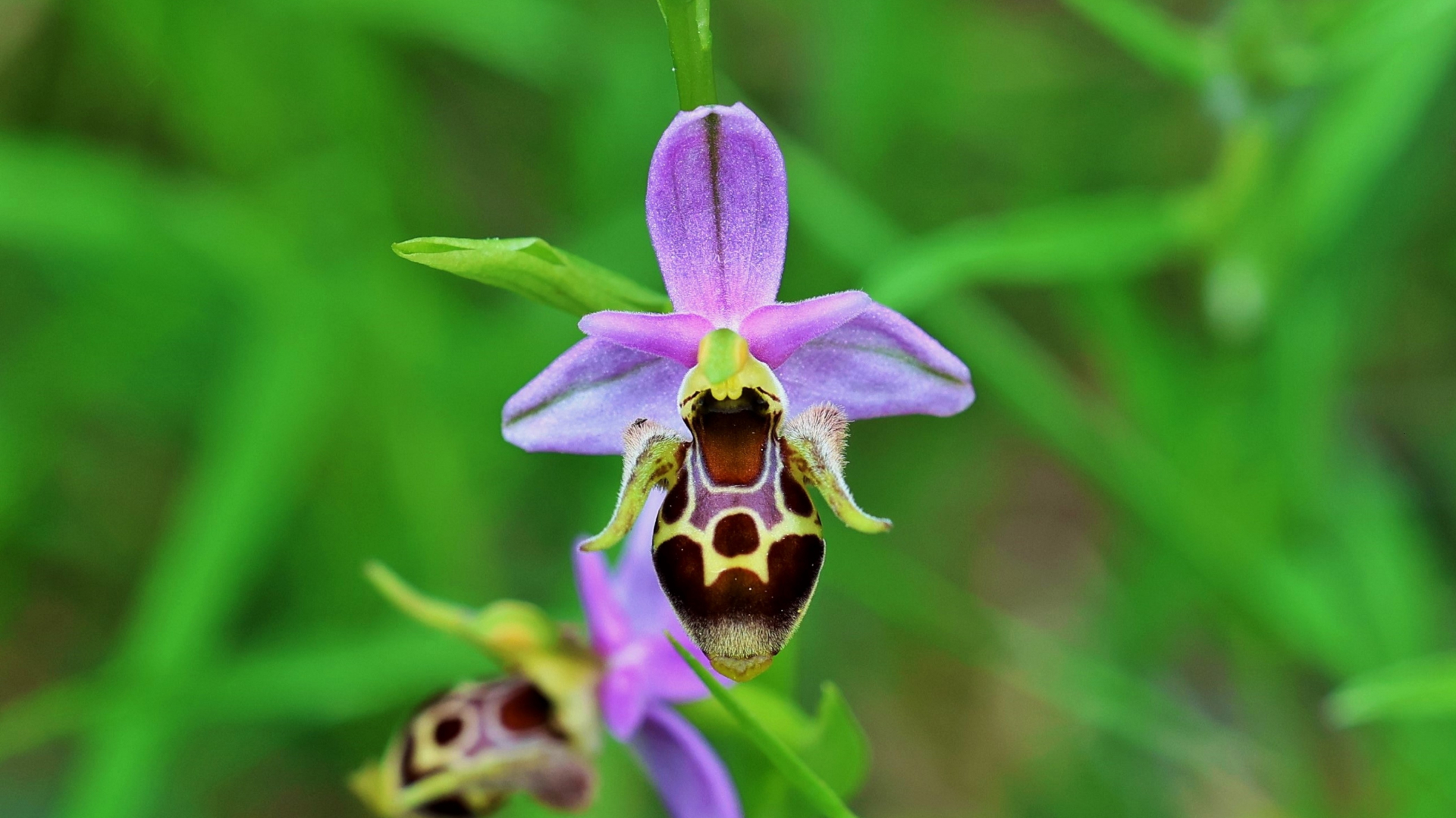


Astute, perceptive and cunning. Here, we present plants from a different perspective — one you may not have considered before: as organisms capable of using tricks and strategies to manipulate animals in order to achieve their own goals.
To reproduce, plants depend on animals both for pollination and for seed dispersal. In nature, there is no formal request for help; instead, there is a subtle, coded form of communication designed to make animals act in the plant’s favour.
For example, when a plant is attacked, it may release substances that attract the natural enemies of the herbivore in question. Or it may prefer to camouflage itself, mimicking a stone or another object, making it less appealing to herbivores. Whether through visual signals or chemical messages, plants have developed a wide range of mechanisms over thousands — or even millions — of years. This evolutionary refinement has been essential for their survival and reproduction.
To imitate (or repel) an animal, a plant may release a specific scent, adopt particular colours or shapes, or even mimic flavours. Each species depends on certain animals and adapts to their behaviours and preferences.
Let’s explore some plants that take mimicry to surprising levels.