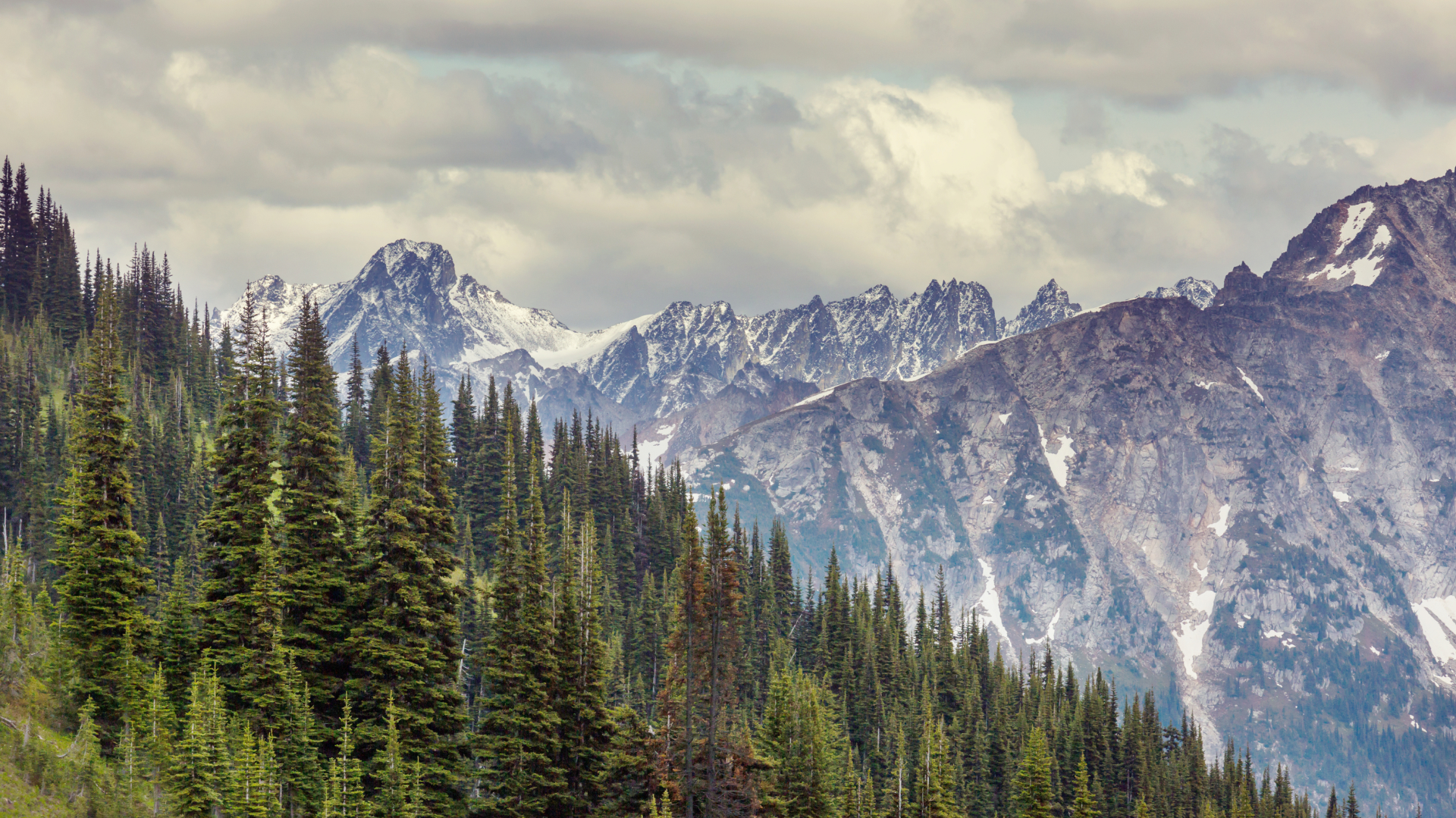
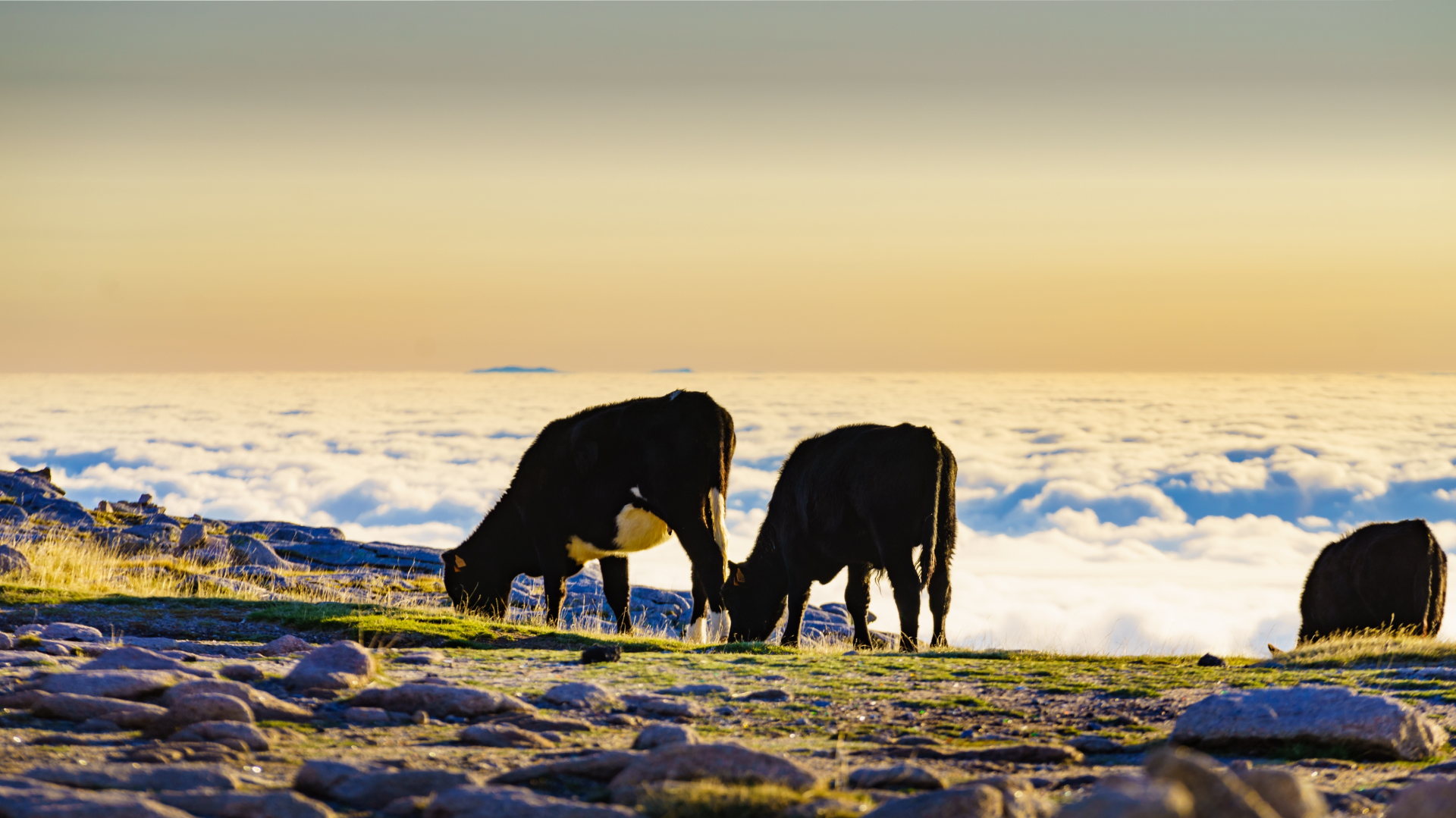
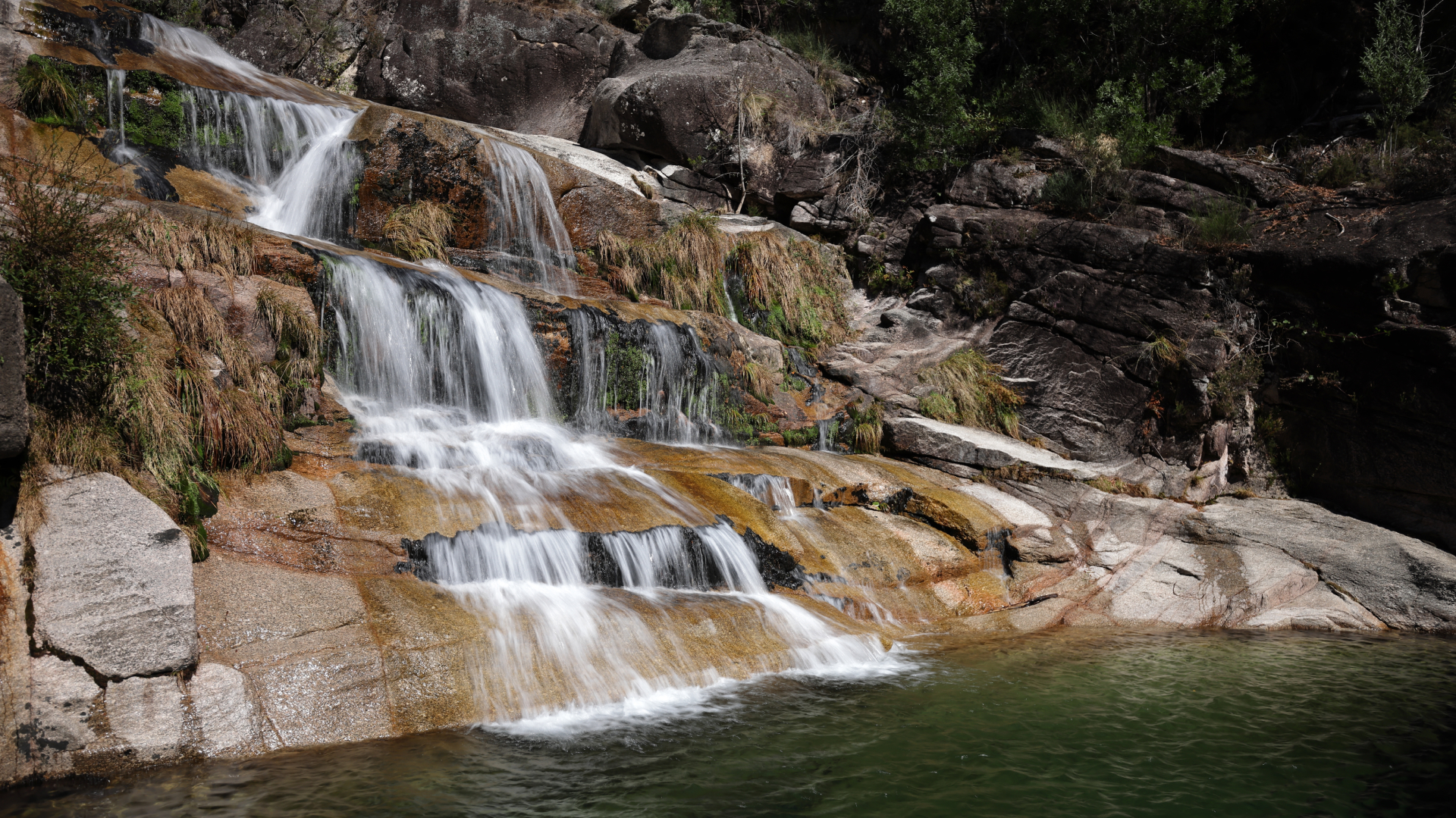
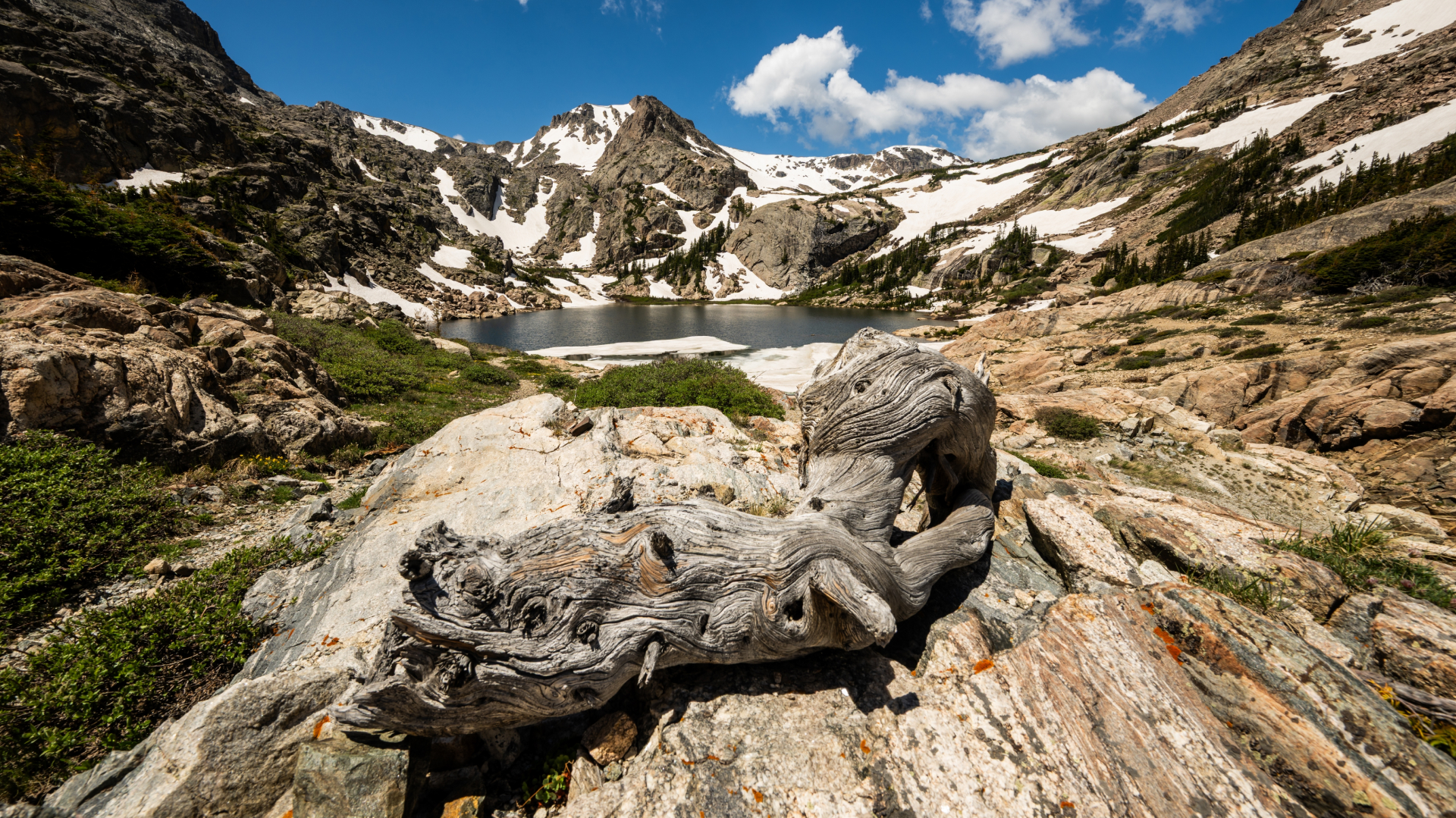
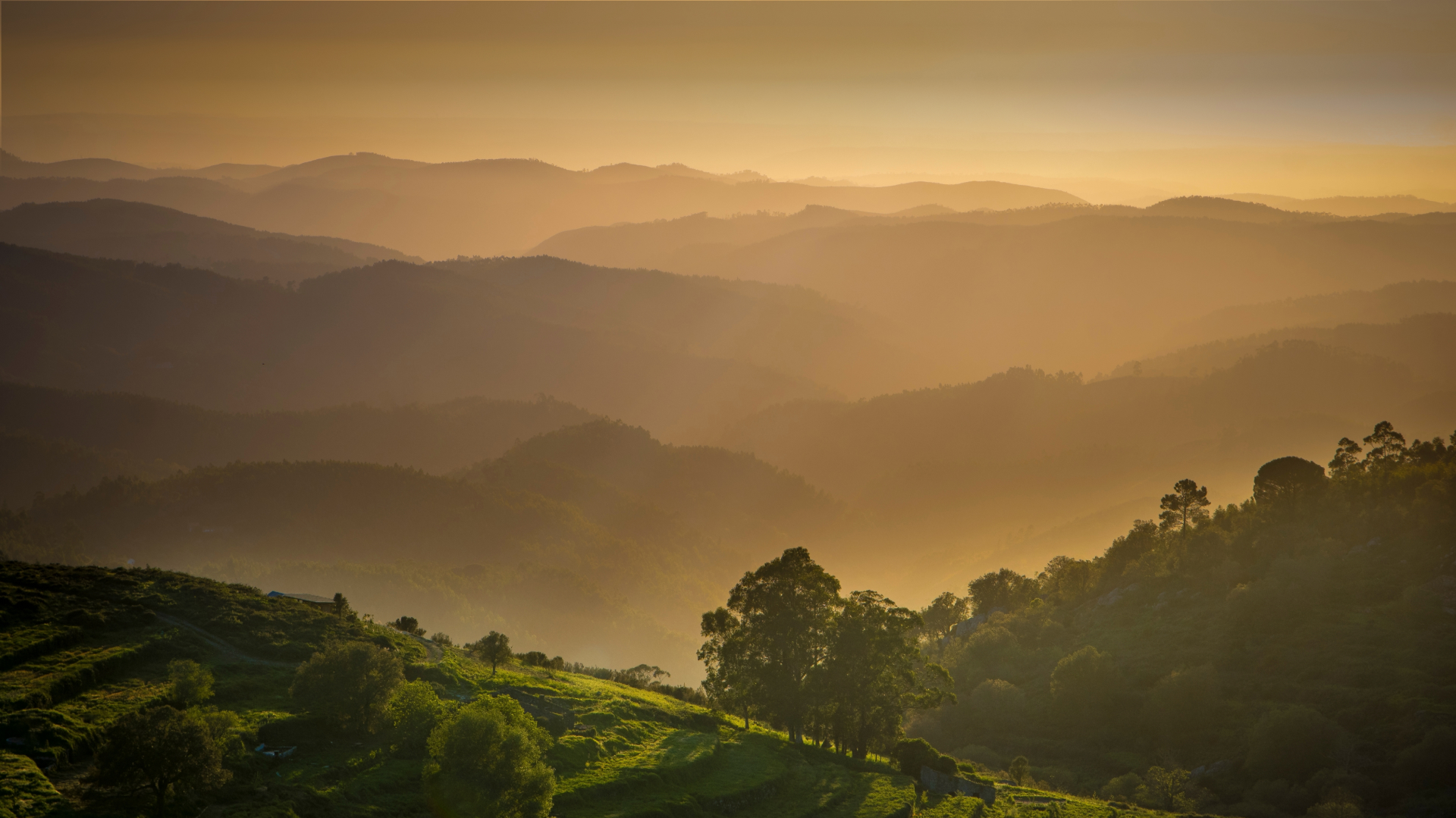
Mountains are ecosystems of exceptional complexity and beauty, and can be found on all continents and at all altitudes. Their altitude fluctuations create a number of habitats – from forests and bushes on the lower slopes to alpine meadows and rocky areas at higher levels. Assorted microclimates and soil conditions (physical, chemical and biological) assist the growth of endemic species and unique plant communities, many of which adapt to extreme cold, wind and sunlight.
In Portugal, Serra da Estrela, Gerês, Monchique or São Mamede are good examples of this diversity. In them, oak, juniper, heather and broom areas coexist, with clear ecological roles as regards soil retention, natural recycling of nutrients and water regulation. Emblematic species find shelter in their slopes, e.g. the Iberian wolf (Canis lupus signatus), the wild cat (Felis silvestris silvestris), or altitude birds such as the golden eagle (Aquila chrysaetos) and the blackbird (Cincluscinclus), a bioindicator of the quality of watercourses.
Natural reservoirs of water and diversity
More than majestic landscapes, mountains are the “water reservoirs” of the planet. They are the origin of all major rivers in the world and many smaller ones. They play a crucial role in the water cycle: the rain and snow accumulated in the cold months act as a natural system of storage and gradual release of water, feeding rivers, springs and aquifers. This mechanism is essential for the regeneration of ecosystems and for the balance of biogeochemical cycles.
During the winter, solid precipitation remains in the form of snow and ice; In spring and summer, the thaw slowly releases the water, ensuring supply for riparian ecosystems, agricultural areas and human communities located downstream. Many of the most ecologically and economically important river basins of the Iberian Peninsula are formed in the mountains. In addition, they still preserve a valuable cultural heritage, which includes monuments and traditions created and preserved by the communities that settled there.
In light of the fact that they aggregate such characteristics, the Trans-Border Biosphere Reserves of Gerês/Xurés and the Iberian Meseta, the largest in Europe, are part of the World Network of Mountain Biosphere Reserves.
But these environments are also reservoirs of genetic diversity, essential for the adaptation of species to environmental changes. They are like islands, where isolated populations living at higher altitudes act as “evolution laboratories”, forming unique endemisms (true new species), which we cannot find anywhere else in the world.
Mountains are particularly vulnerable to change. The degradation of mountain regions caused by both human action and climate change has a large impact on these ecosystems. Unsustainable agricultural practices, commercial mining, deforestation, pollution, poaching and natural disasters have forced ecosystems and the people who depend on them to adapt or migrate.
But climate change is the most striking. Rising average temperatures and changing precipitation regime threaten the fragile ecological balances built up over millennia. The retreat of snow and ice areas alters the availability of water and seasonal changes in the life cycle of the species, causing altitudinal migrations and habitat loss.
Highly specialised species, such as lichens and alpine plants, see their living space shrink, while invasive and generalist species colonise new areas. These imbalances affect not only biodiversity, but also the ecosystem services millions of people depend on.
Taking care of the mountains is taking care of life
Protecting mountains means protecting the ecological base of the planet. The sustainable management of these ecosystems has been increasingly seen as a priority worldwide. This is why it is part of the United Nations Sustainable Development Goals (SDGs) (target four of goal 15).
This management must integrate nature conservation, spatial planning and climate adaptation, valuing the role of local communities that, over the centuries, have developed practices for the sustainable use of resources.
On this International Day of Mountains, let us remember that every slope, every watercourse and every high-altitude forest is a fundamental part of a system that sustains life. Preserving the mountains is ensuring the future of the water we drink, the biodiversity and the natural and cultural heritage that surrounds us.