Before trees: a planet in transformation
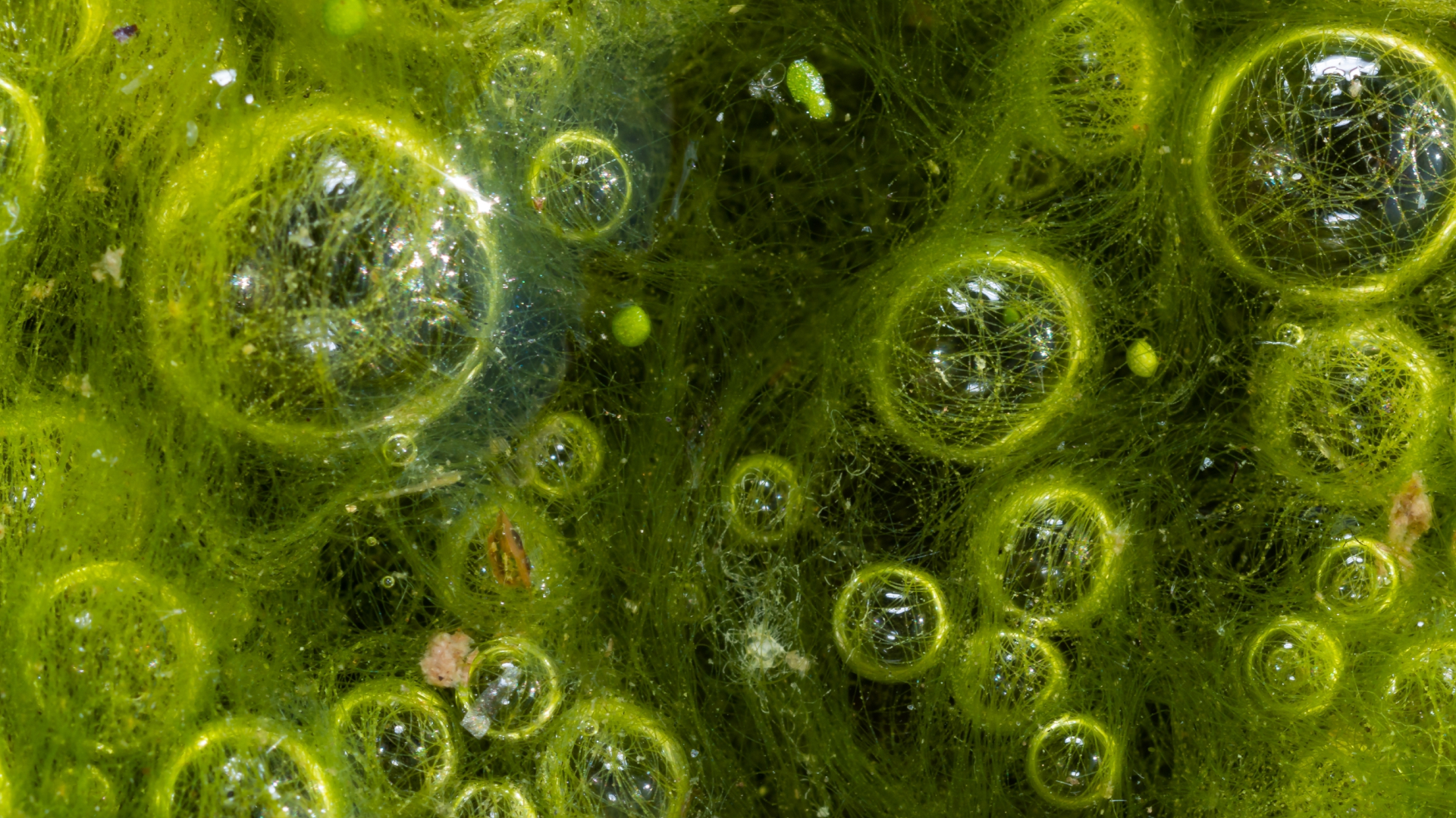
Long before trunks and canopies existed, the Earth was inhabited by microscopic organisms. Cyanobacteria initiated photosynthesis, a process that would forever change the composition of the atmosphere by adding oxygen, enabling the emergence of more complex forms of life. Millions of years later, green algae appeared – marine ancestors of terrestrial plants – and from them began the true adventure beyond water.
According to Carlos Aguiar, agronomist and professor of botany at the Polytechnic Institute of Bragança, this conquest was not immediate. The transition to a terrestrial environment required evolution and the discovery of new solutions: structures to prevent dehydration, internal transport systems, and support mechanisms to withstand gravity.
The first land plants were small, simple and lacked complex structures. They had no deep roots or rigid stems and were not very different from today’s mosses and liverworts. Over time, they developed vascular tissues that allowed water and nutrients to be transported over longer distances within the organism. This innovation opened the door to vertical growth.
During the Devonian period, more than 400 million years ago, plants with roots, stems and, later, leaves appeared. For the first time, some were able to rise above the ground and capture more light and carbon dioxide than others. This marks the beginning of the story of the first trees.
As these plants grew larger, plant diversity increased, culminating in the dominance of seed plants and later flowering plants. This evolutionary race for height led to the formation of the first dense forests.
During the Carboniferous and Cretaceous periods, vast forests covered large areas of the planet. These forests altered the climate, captured large amounts of carbon dioxide and created new habitats for countless terrestrial organisms. Trees became central components of ecosystems, regulating biogeochemical cycles, structuring landscapes and sustaining entire food webs.
Why does being a tree pay off?
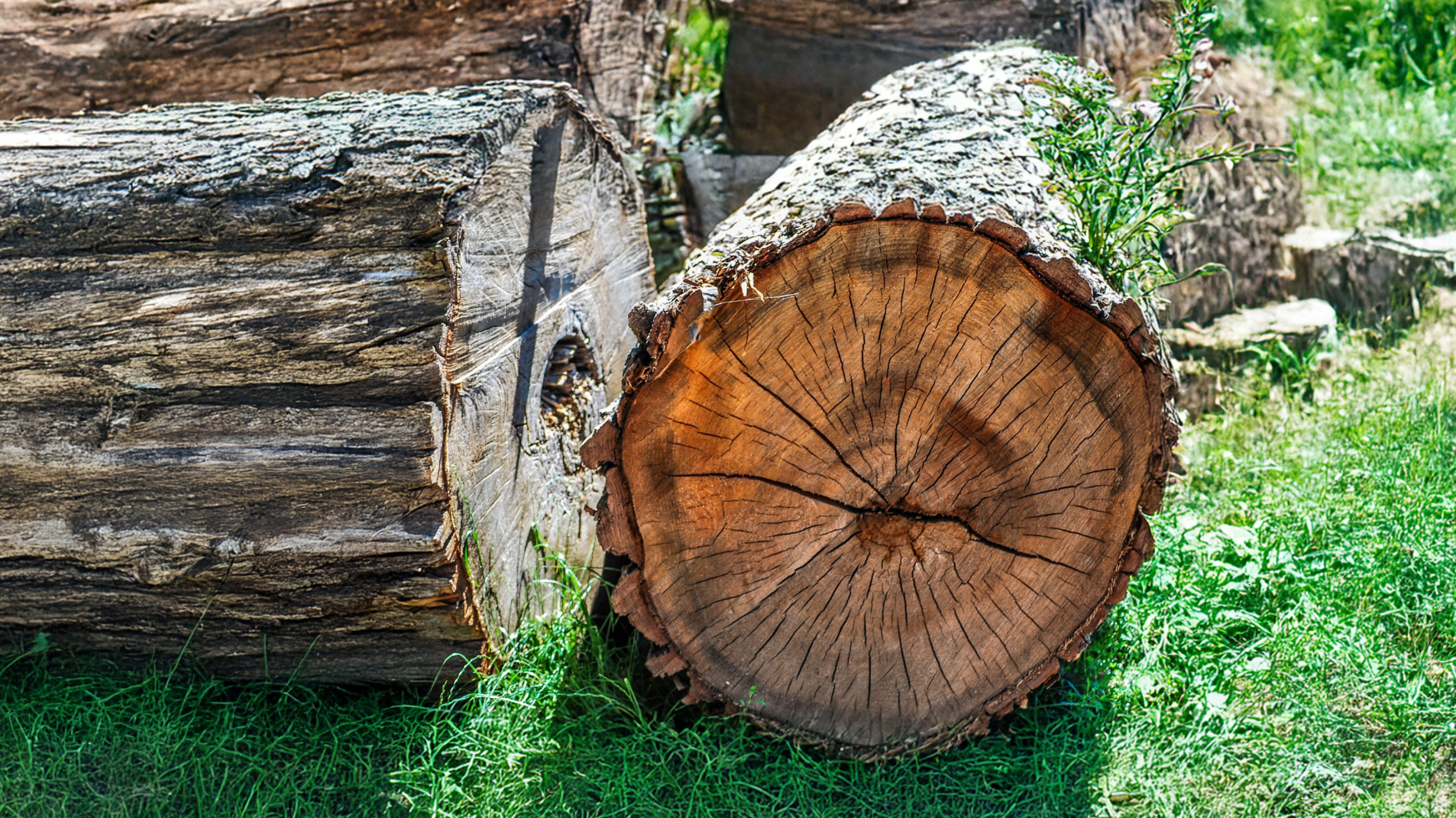
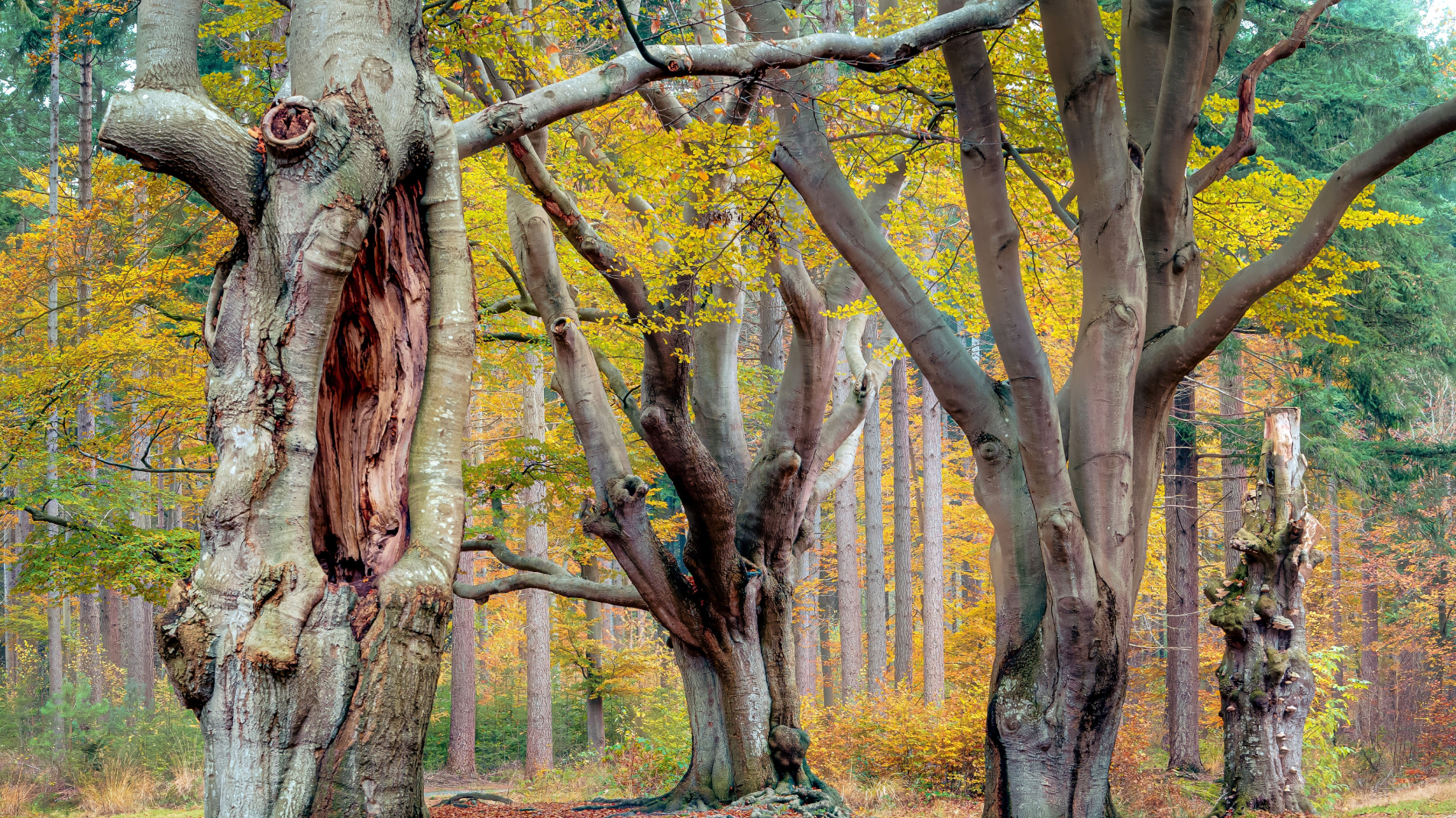
Being a tree is, above all, an effective evolutionary strategy. Growing tall allows better access to light and enables polen and seeds to be dispersed over greater distances. The trunk is the vital axis: it transports nutrients that feed leaves, flowers and fruits, while also functioning as a water reservoir—essential during dry periods. It is also within the trunk that wood forms, a living tissue that strengthens year after year, recording growth in the form of rings. Each ring tells a story.
Beyond supporting the canopy, the trunk is protected by bark, which acts as a barrier against pests, diseases, wounds and even fire. Roots, in turn, anchor the tree to the soil and ensure the absorption of water and essential nutrients. In many species, root systems expand and interconnect underground, forming complex networks that contribute to the tree’s stability and survival.
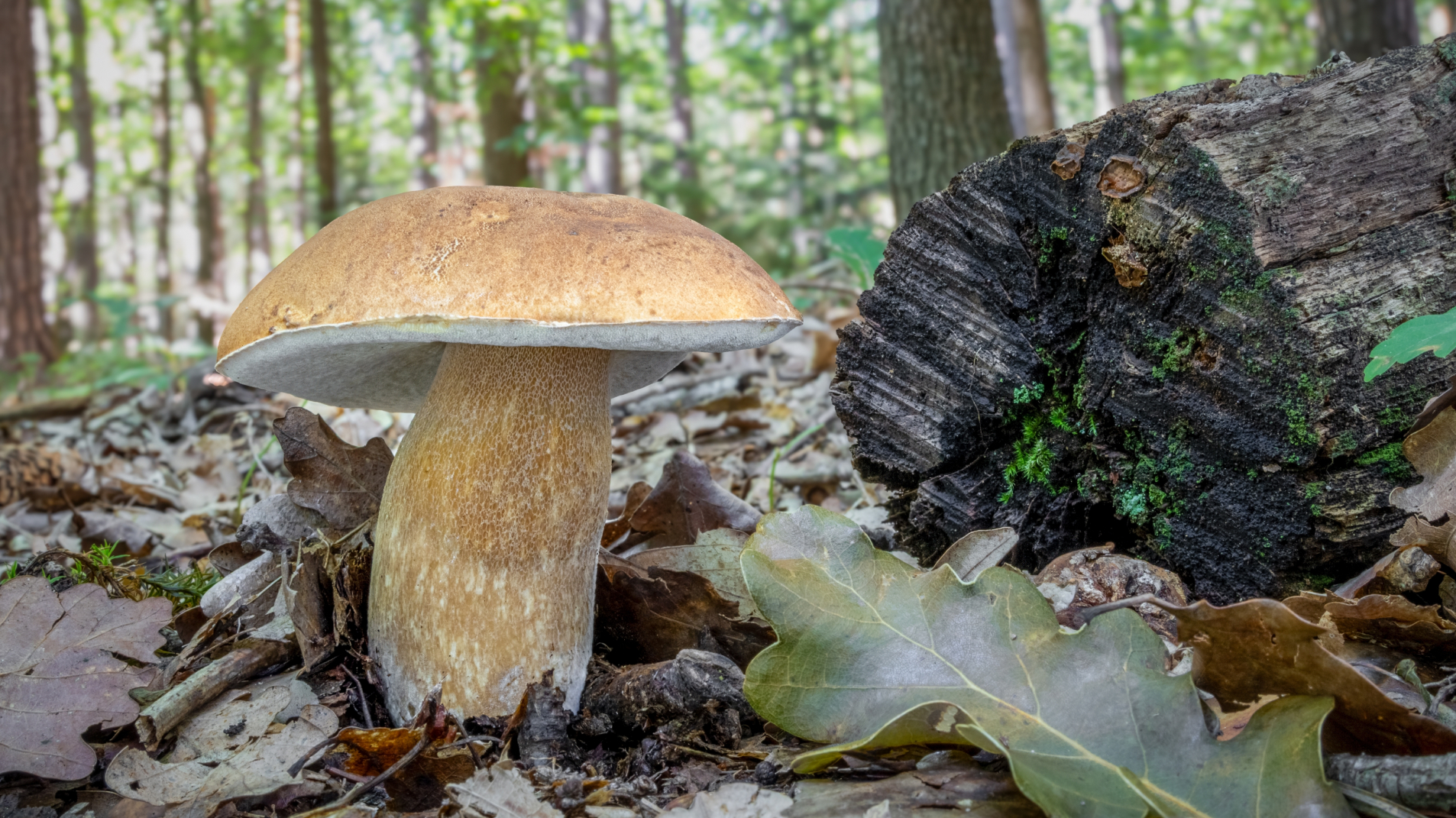
By lifting their leaves away from the ground, trees reduce pressure from herbivores and increase mutualistic interactions with pollinators and other organisms. Their arboreal form also creates new living spaces: canopies shelter birds and insects, trunks provide support for lichens and fungi, and roots stabilise the soil and nourish complex underground networks.
Longevity increases population stability and reduces the risk of disappearance following environmental disturbances such as fires and storms. Being a tree requires patience, perseverance and resilience—but in the end, it pays off.
Trees: protagonists of biodiversity
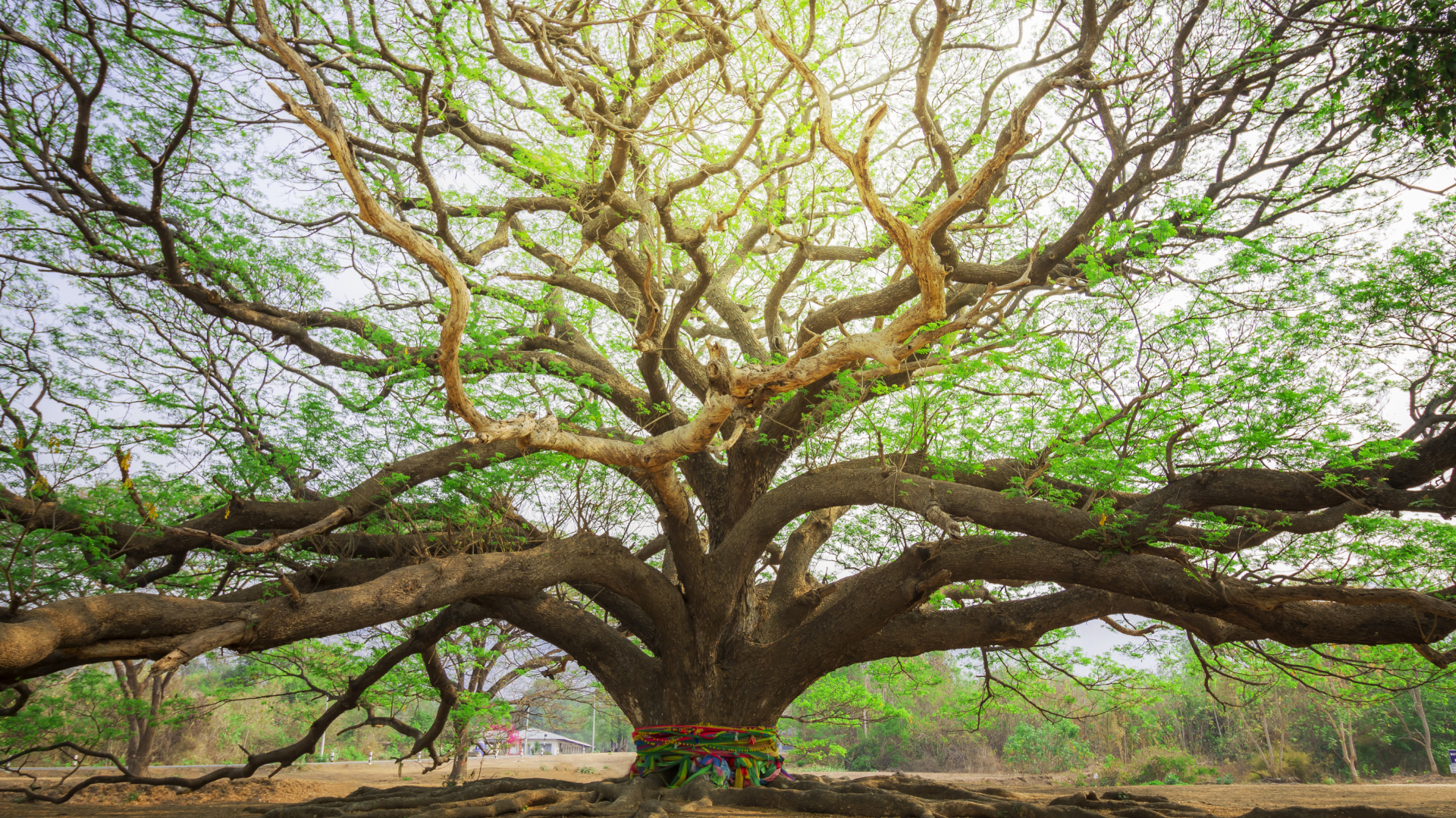
Today, each tree is a small ecosystem. It regulates the microclimate, stores carbon, protects the soil and supports countless species. Its evolutionary history is inseparable from the history of terrestrial biodiversity itself.
On Tree Day, remembering this long journey helps us understand that protecting trees is not merely about preserving landscapes—it is about conserving one of the most successful life strategies on the planet, responsible for shaping the environment that made the diversity of life we know possible.