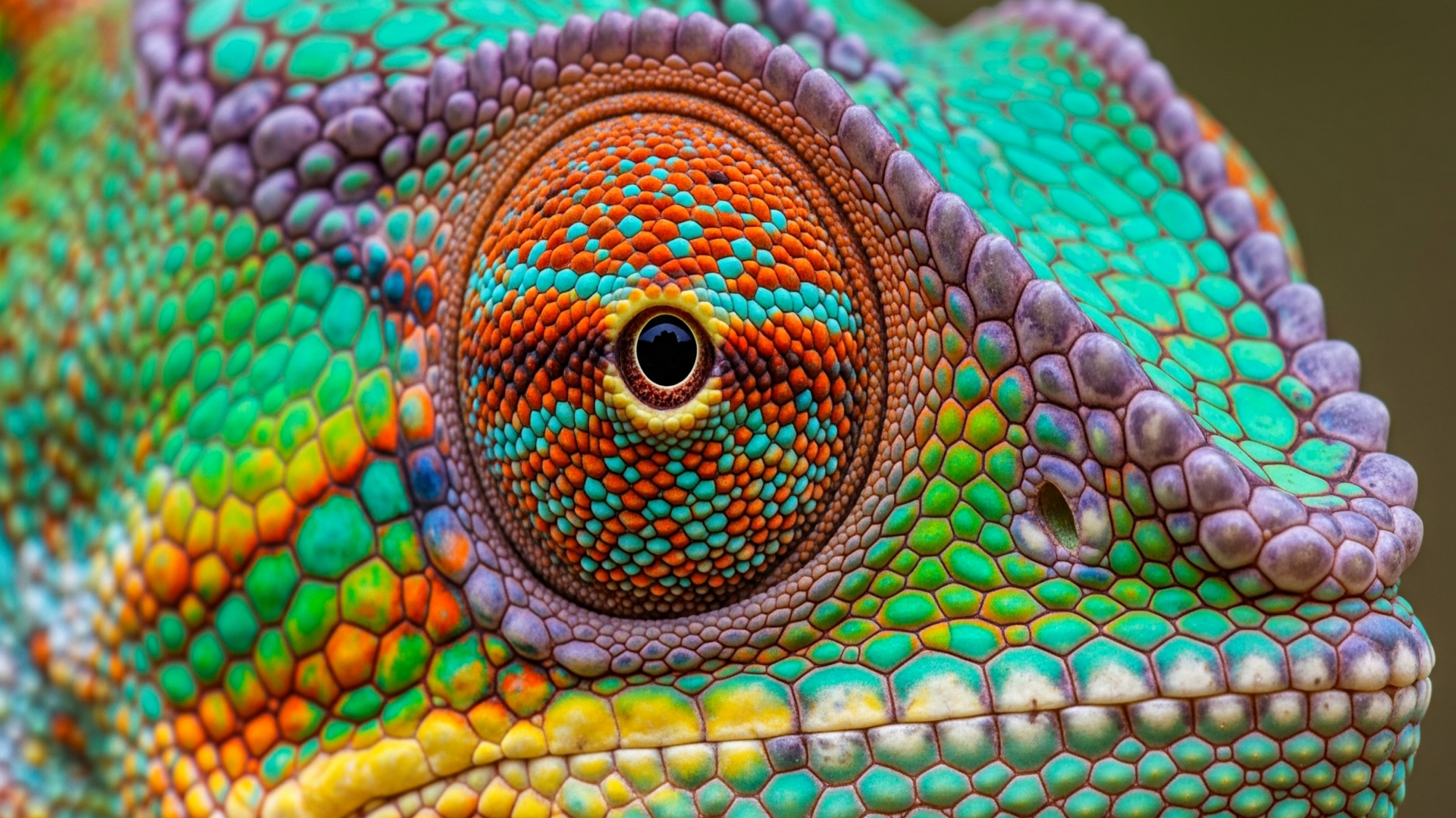
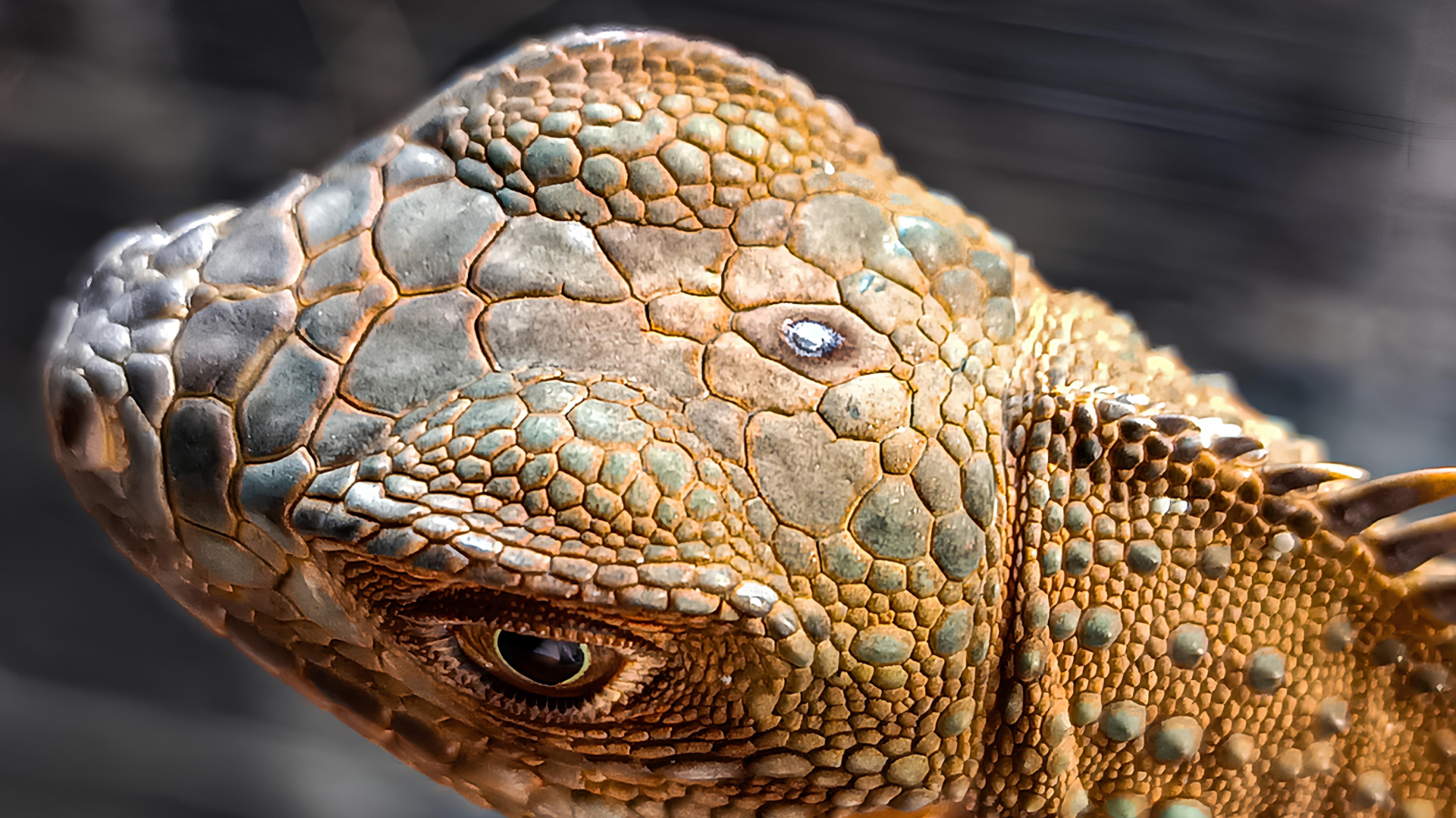
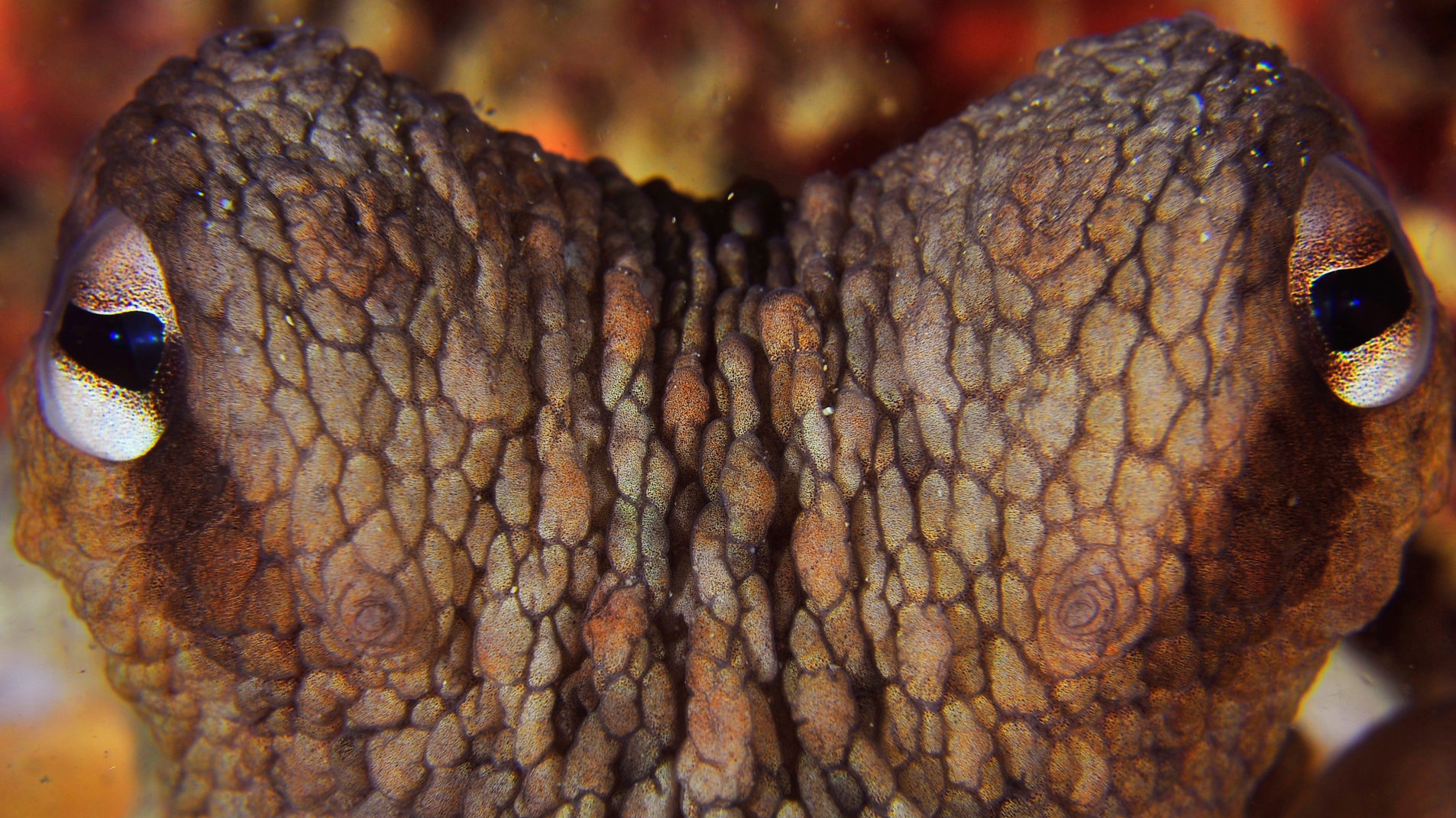
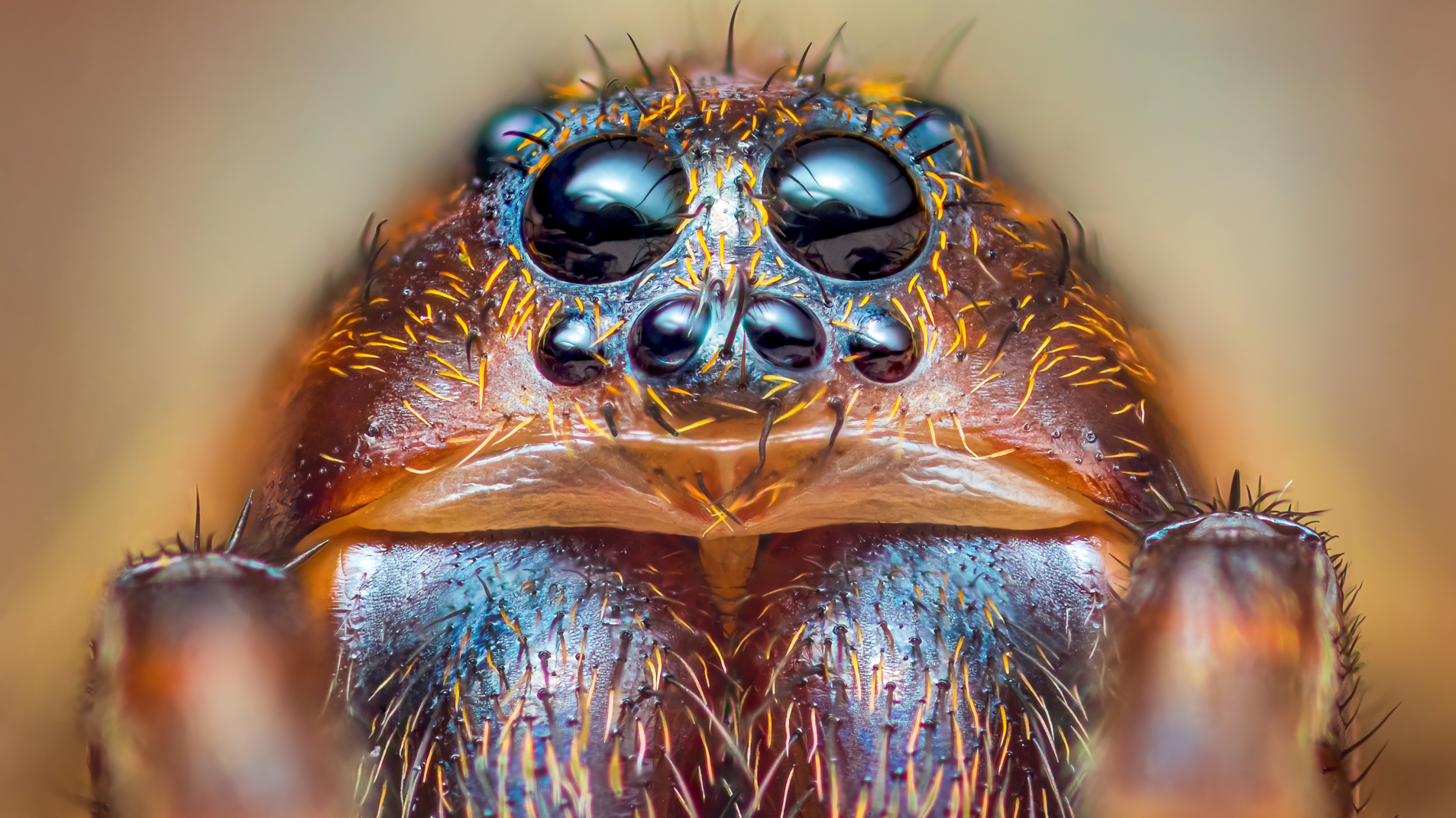
What if we told you that our ancestors had four eyes? And no, we’re not talking about glasses… The evolution of vision forever changed the relationship between predators and prey and drove an explosion of forms and strategies across the animal kingdom.
What would the animal kingdom be without the superpower of sight? The transformation of the visual organ was as crucial to the evolution of certain species as the mastery of fire was to the development of human society.
Although the simple detection of light is widespread and fundamental to many forms of life—bacteria, algae, plants and many other groups—and its history is almost as old as life itself, the evolution of an image‑forming organ capable of interpreting the surrounding environment took much longer to emerge.
Seen as a major catalyst—the “switch”—of biodiversity, the functional eye appeared more than 500 million years ago, during the Cambrian Period, completely changing how living beings interact with their surroundings.
Tension between predators and prey increased, triggering a true “arms and detection race”. Seeing became a decisive competitive advantage: predators could anticipate hunts or attacks, while prey could better plan defence or escape.
Shells, armour and exoskeletons, for example, emerged during this period as highly effective defence systems.
The development of vision was both a trigger and a consequence of a new animal order. The idea that vision drove an evolutionary leap among vertebrates is now reinforced by a study published in the journal Nature.
Based on fossil analysis of ancestral fishes (from the Myllokunmingiidae group), researchers concluded that these early vertebrates had four camera‑type eyes, a feature that would have provided a significant evolutionary advantage.
It was discovered that the two median organs (located between the two lateral eyes), previously thought to be nasal sacs, share a common embryonic origin with the pineal gland. In humans and other mammals, this gland is now an endocrine structure, mainly responsible for regulating sleep.
Other vertebrates, however, such as the tuatara – a reptile endemic to New Zealand – retain what is known as a third eye. Although it does not form detailed images, it is directly sensitive to light and plays roles in thermoregulation, orientation and other functions
An energy‑efficiency certificate
This discovery is highly relevant from an evolutionary perspective, as it reveals a level of visual complexity previously unknown in ancestral vertebrates and reinforces the idea that evolution is primarily about adaptation and optimisation.
Biologically, within this animal subphylum, more is not necessarily better. Visual progress occurred through the refinement and specialisation of the two lateral/front-facing eyes, leading to the simplification or transformation of other structures.
Maintaining four camera‑type eyes required a major metabolic investment and was therefore not cost‑effective from an evolutionary economics standpoint: the energy expenditure did not outweigh the benefits.