Forests: a territory of perceptions
Portuguese forests are one of the country’s main ecological and economic systems, covering a significant portion of the territory and supporting activities, communities and biodiversity.
Despite this relevance, they continue to be perceived in a fragmented way. The ISCTE study reveals that many Portuguese associate the state of forests mainly with visible problems, such as wildfires, without integrating structural factors like management, land-use planning or the socio-economic context.
This discrepancy is not just about information – it is also about narrative. Forests often appear in the media during moments of crisis, which shapes how they are understood.
However, there is a point of consensus: the role of forest management is widely recognised as beneficial and central. Most respondents (72.3%) acknowledge that well-managed forests, regardless of the species planted, have a lower risk of wildfire (75.8%) and a greater capacity to generate ecological and economic value.
Paradoxically, a widespread narrative of abandonment persists: a large share of the population (69%) believes Portuguese forests are poorly managed.
This combination – the recognition of the importance of management alongside the perception of its absence – highlights one of the territory’s major structural challenges: it is not only what is planted, but above all how it is managed.
The eucalyptus case: symbol of an oversimplified debate
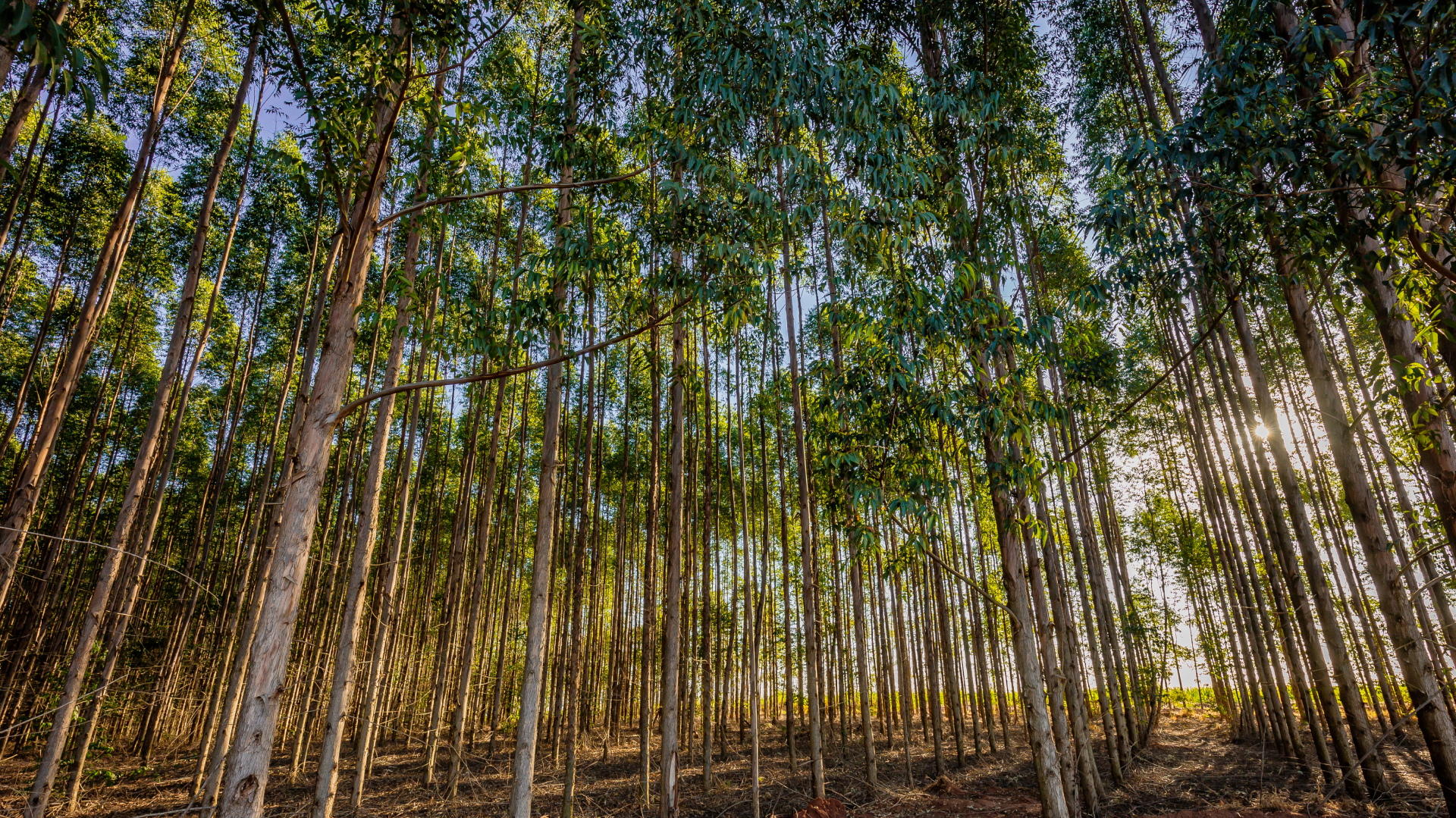
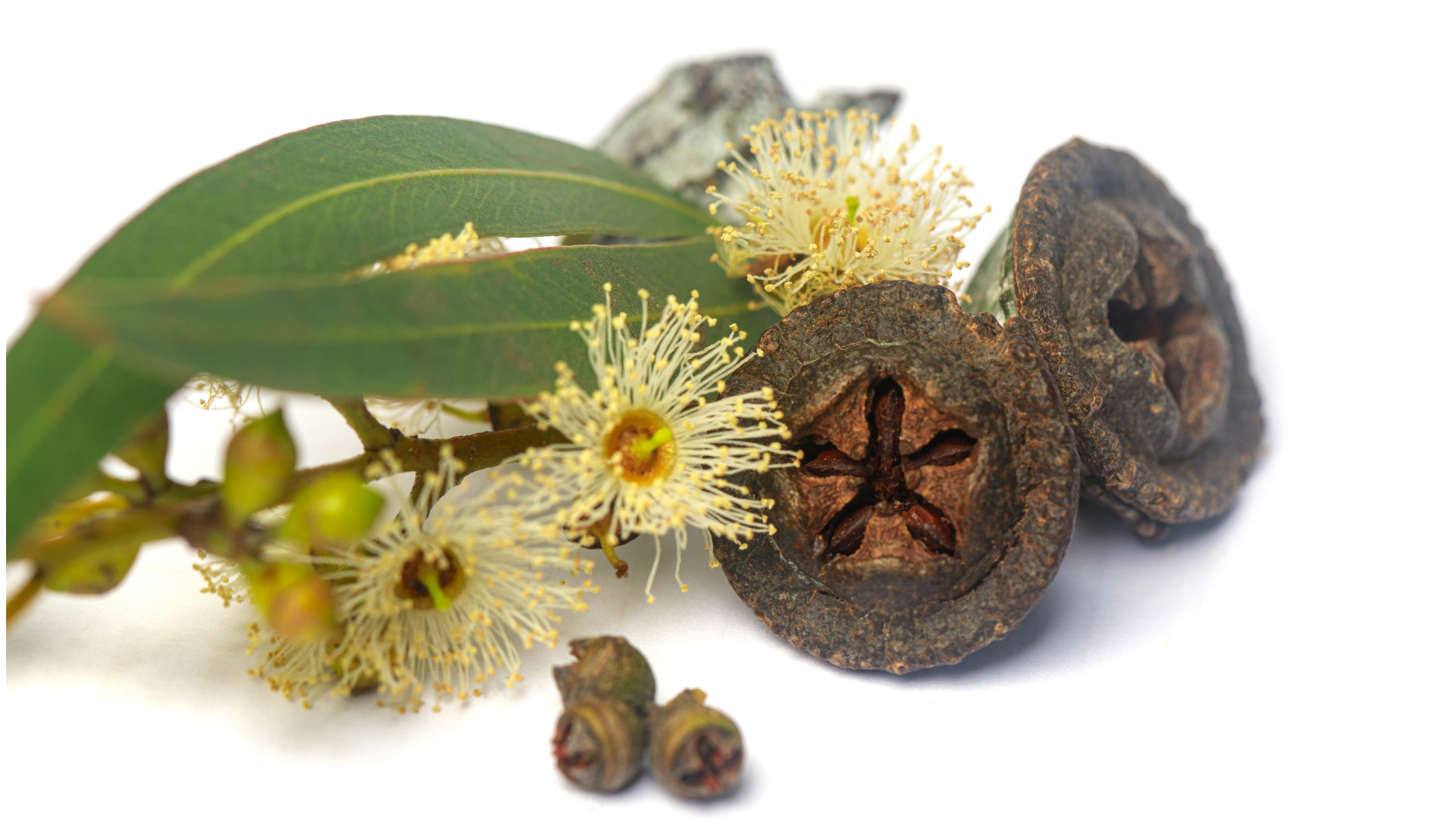
Few species better illustrate the tension between knowledge and perception than eucalyptus. Frequently associated with negative impacts, it is also one of the most debated species in Portugal.
Recent data show that nearly half the population (49.5%) believes eucalyptus consumes more water than other species, overlooking scientific evidence regarding its water-use efficiency in certain contexts.
The role of eucalyptus in carbon sequestration is also poorly understood by the public. Many are unaware that it is among the trees that capture the most carbon dioxide and release the most oxygen per unit of planted area, as well as its significant contribution to combating soil erosion.
Eucalyptus plantations and their derivatives (pulp, paper and energy) form a cornerstone of the Portuguese economy – something most respondents recognise. They represent a significant share of the value generated by the forest sector, contributing over 5% of national GDP, creating thousands of jobs, and supporting a bio-based industry that plays an important role in the transition to more sustainable development models, particularly through alternatives to fossil-based products.
At the same time, there is little awareness that Portugal continues to import eucalyptus wood, revealing a paradox: its presence is criticised, yet there is an economic dependence on it.
This type of contradiction highlights the difficulty of integrating scientific knowledge into public debate.
Experts warn of the persistence of biases associated with certain species and forest practices, often driven by a lack of environmental literacy.
Science has greatly advanced our understanding of species behaviour, ecological cycles and interactions within landscapes. However, this knowledge rarely reaches the public in a clear and accessible way.
In this context, Navigator has launched the book “Eucalyptus: History, Territory and Knowledge” (link to be added), aimed at “translating scientific knowledge into accessible language”. According to António Redondo, CEO of Navigator, the goal is to strengthen forest literacy among young people, teachers, journalists and decision-makers, and to raise the level of public debate on production forests, forest management and resource valorisation.
The future: integrating production, conservation and knowledge
There are encouraging signs. A significant share of respondents supports increasing forest area, provided that different functions are balanced: production, conservation and ecological stability (66.2%).
There is also broad support (61%) for long-term policies that go beyond political cycles and promote integrated management.
In this context, the real challenge lies not only in planting more trees, but in building a more informed vision of forests—one where knowledge replaces misconceptions.
Reducing this gap may be the first step towards more resilient, better understood and, ultimately, better managed forests.
- Most of the forests are not eucalyptus
Despite common perception, eucalyptus does not dominate the landscape: it covers around 26% of forest area (just over 9% of mainland Portugal), behind systems such as montado and pine forests.
- The issue is not just the species – it’s management
Data indicate that well-managed eucalyptus áreas have very low fire incidence rates (around 2%), compared to significantly higher figures in unmanaged areas.
- Portugal has one of the largest forest areas in Europe
Forests cover around 36% of the national territory (with 99% classified as production forest), a figure close to the European average, reinforcing their ecological and economic importance.