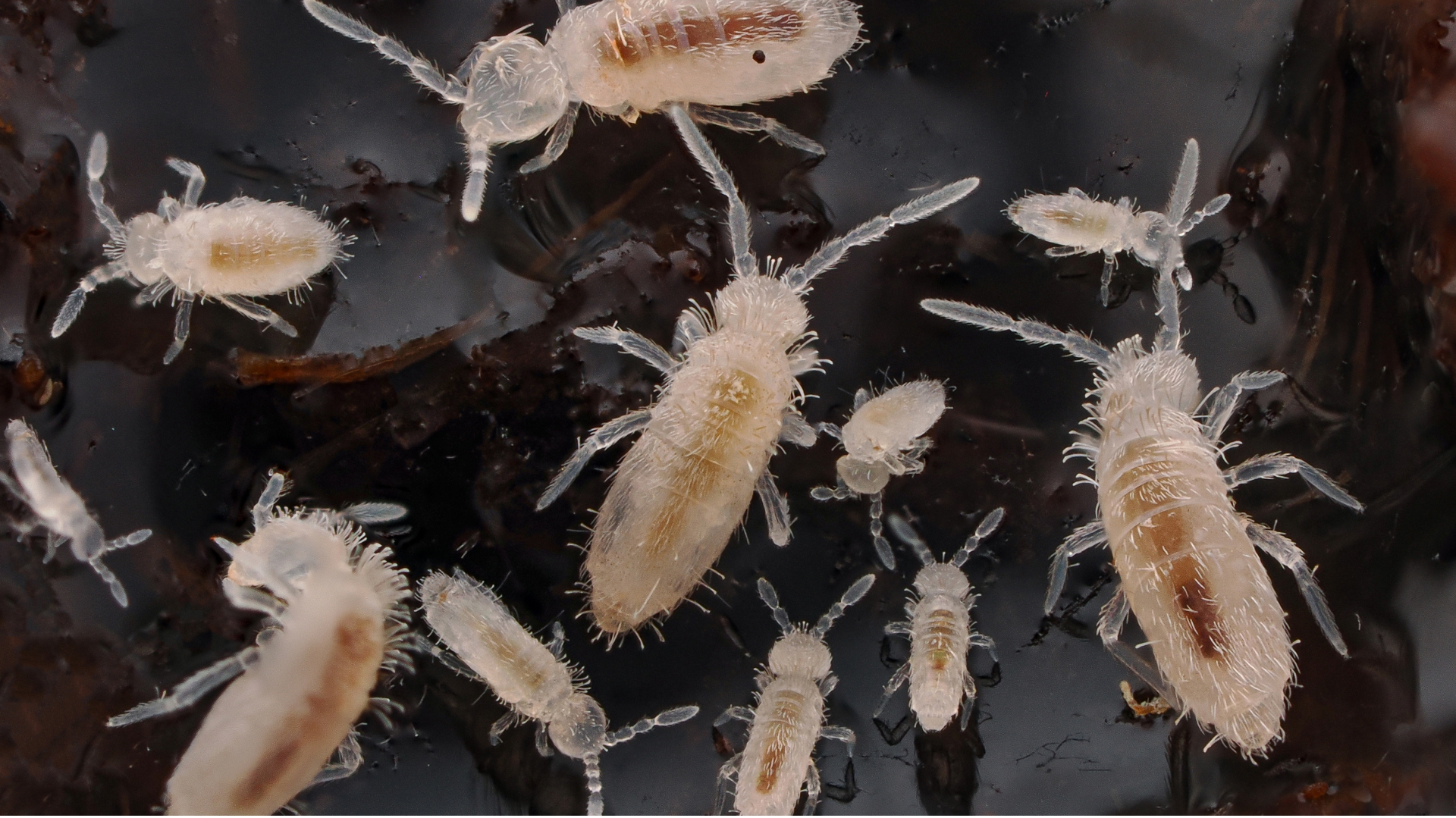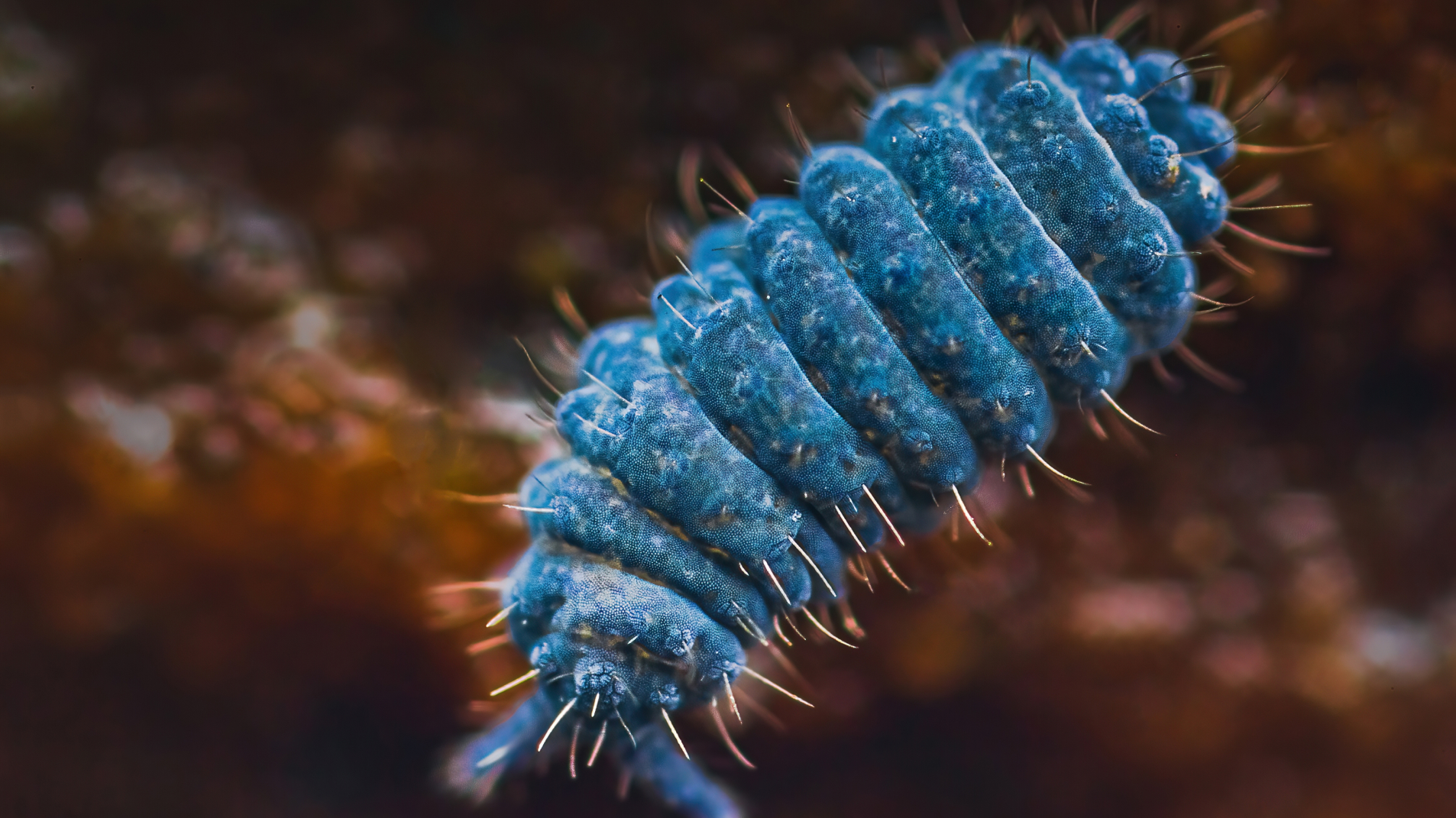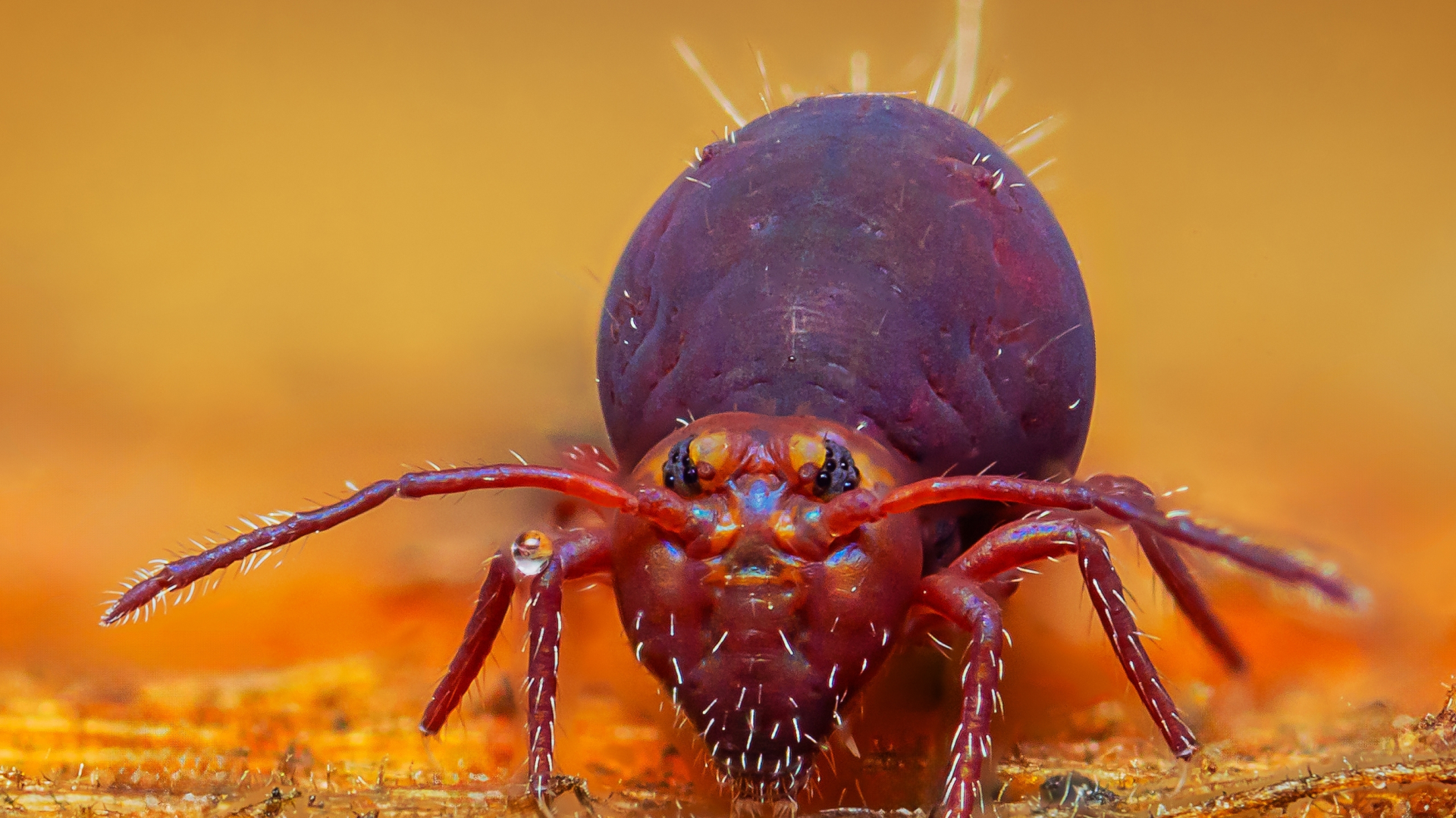


There is a “summit” that takes place every day, in every country, at any hour—even beneath our feet. In the month when World Earth Day (22 April) is celebrated, this is the hero we have chosen to honour: the springtail.
It has no agenda or spokespersons, yet its participants have been working nonstop for millions of years to keep the planet habitable. While world leaders debate how to save the soil they walk on, it is the tiny springtails that actually do so.
Every “revolution” has its activists. These ones can fit on the head of a pin, yet they have survived four mass extinctions. It was no coincidence that, in April 2020, Australian biologist Penelope Greenslade named a new Antarctic species Friesea gretae, in honour of Greta Thunberg.
An environmental hero just two millimetres long, symbol of a struggle that has lasted 410 million years. Springtails, or Collembola, are primitive hexapods related to insects, with a history that begins in the Devonian period. They have survived four mass extinctions. They inhabit soils across the globe, from the tropics to polar regions, in densities that can reach 15,000 individuals per square metre. They are probably the most numerous hexapods on Earth. And almost no one knows they exist.