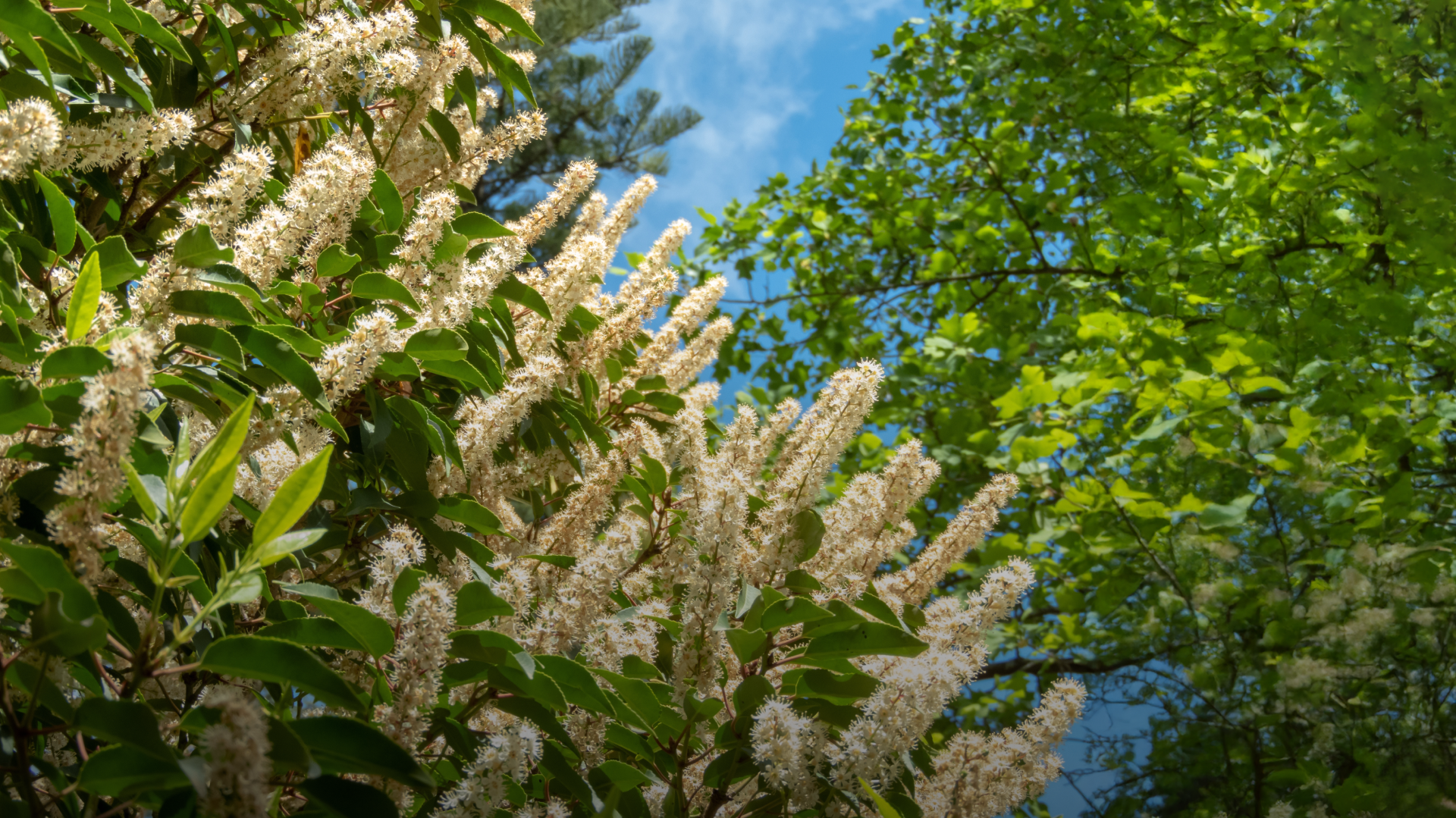
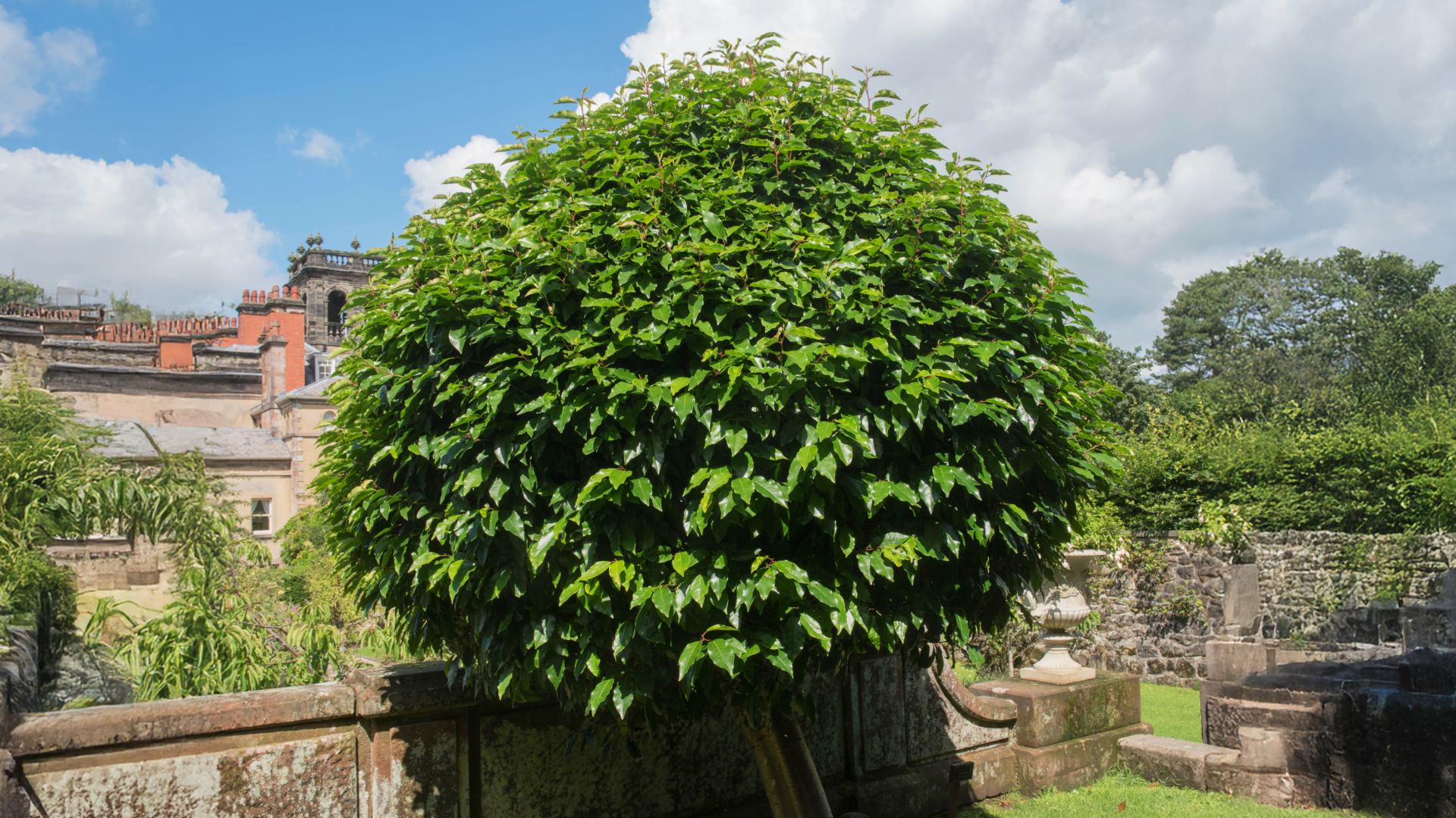
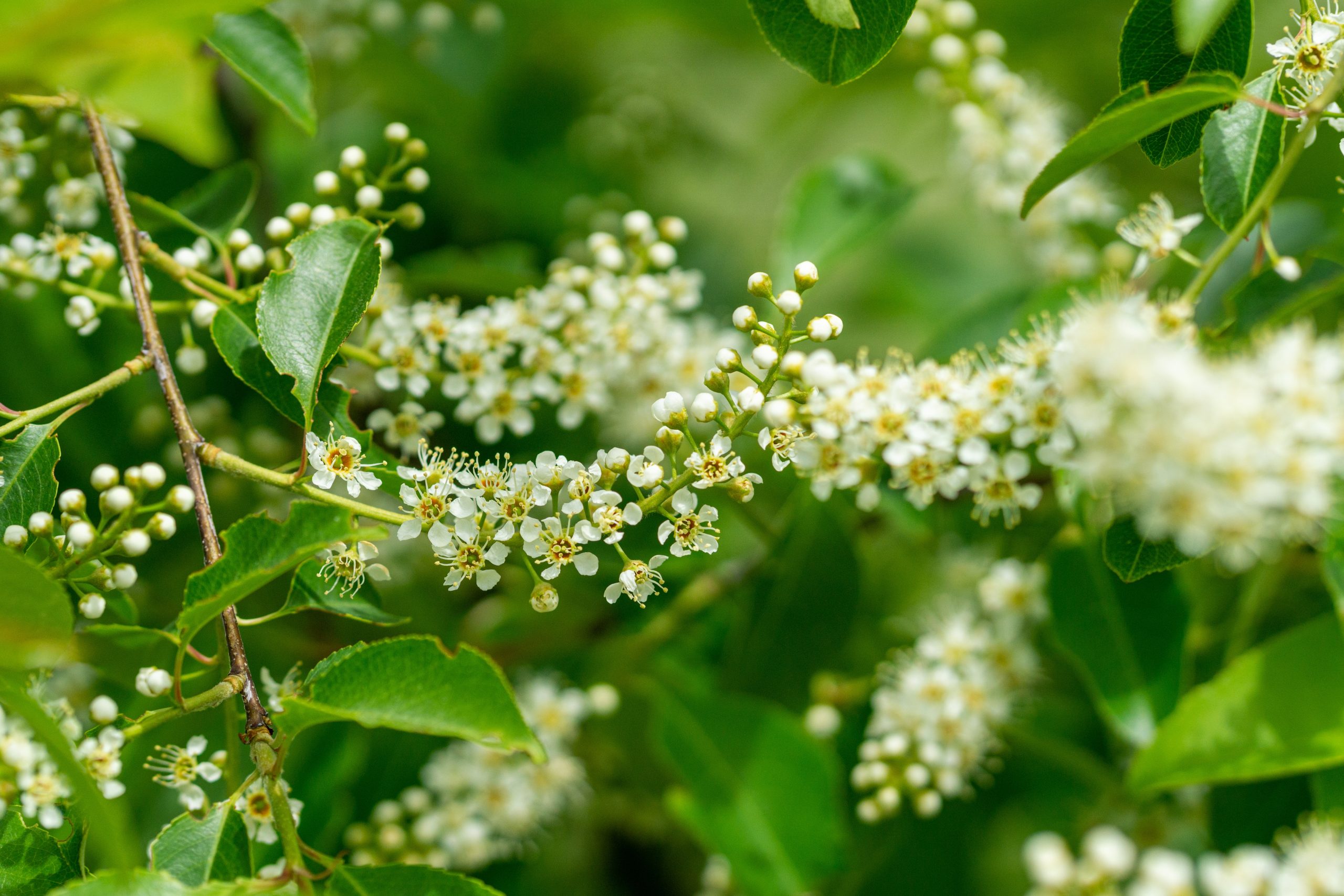
As the scientific name Prunus Lusitanica suggests, this is a plum tree and has left a positive mark over the ages in botany, history, and medical books across the Iberian Peninsula, more specifically, in the Lusitania region, where most of the Portuguese territory is currently located.
If the Portuguese laurel could speak, it could, through “floral” tradition, tell part of the history of the peoples living adjacent to the Atlantic. A surviving species of the last European ice age, it became a millennial figure, extending to the islands of the Azores, Madeira, and later to Morocco, Spain and France.
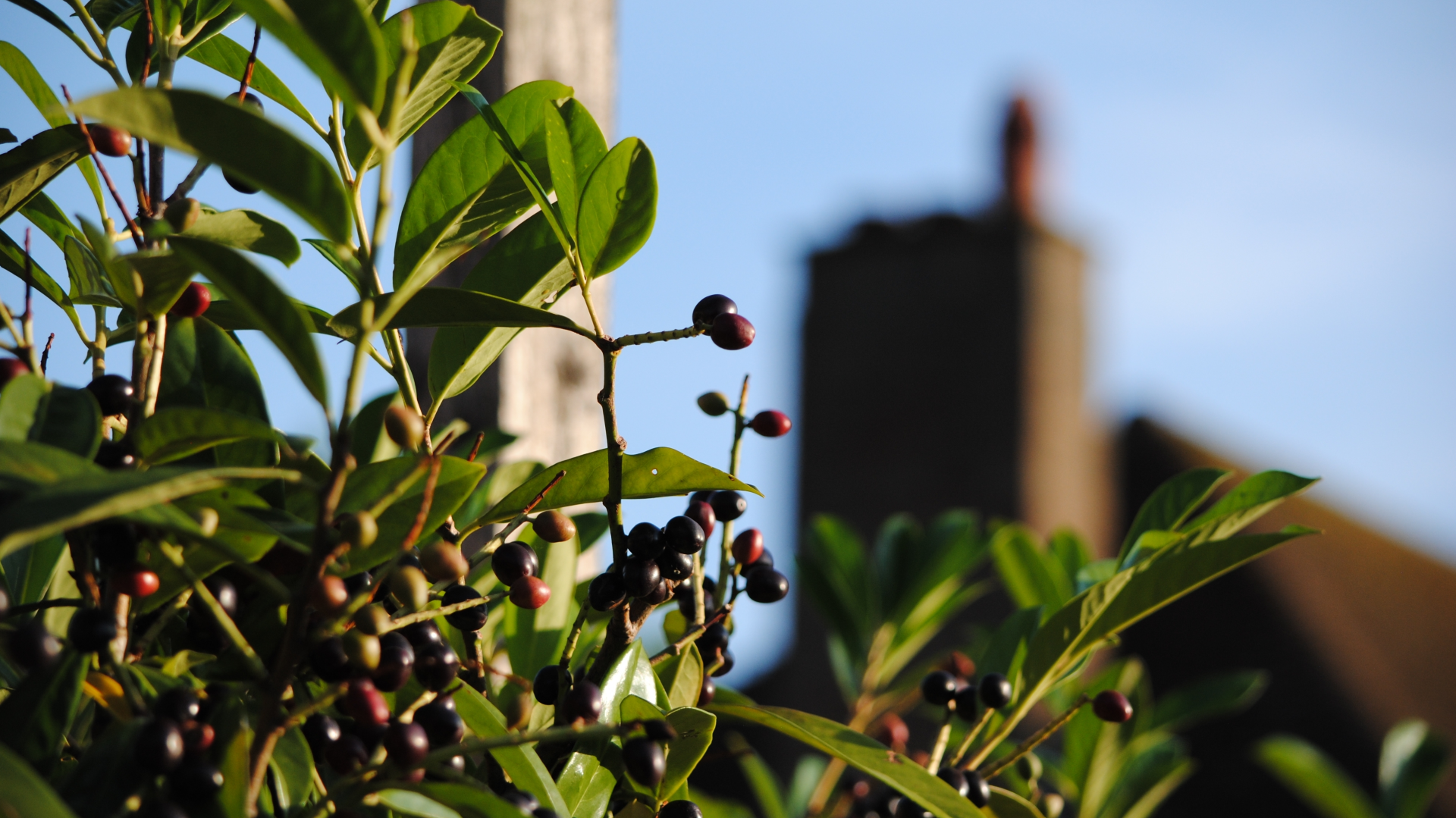
With a sparkle in our eyes, we can speculate that, on a beautiful autumn afternoon in a small village in Lusitania, we came across young Viriathus leaning under the shadow of a Portugal laurel. And as he muttered an unfamiliar pagan tune, the berries hanging over his head echoed a lullaby before a short nap.
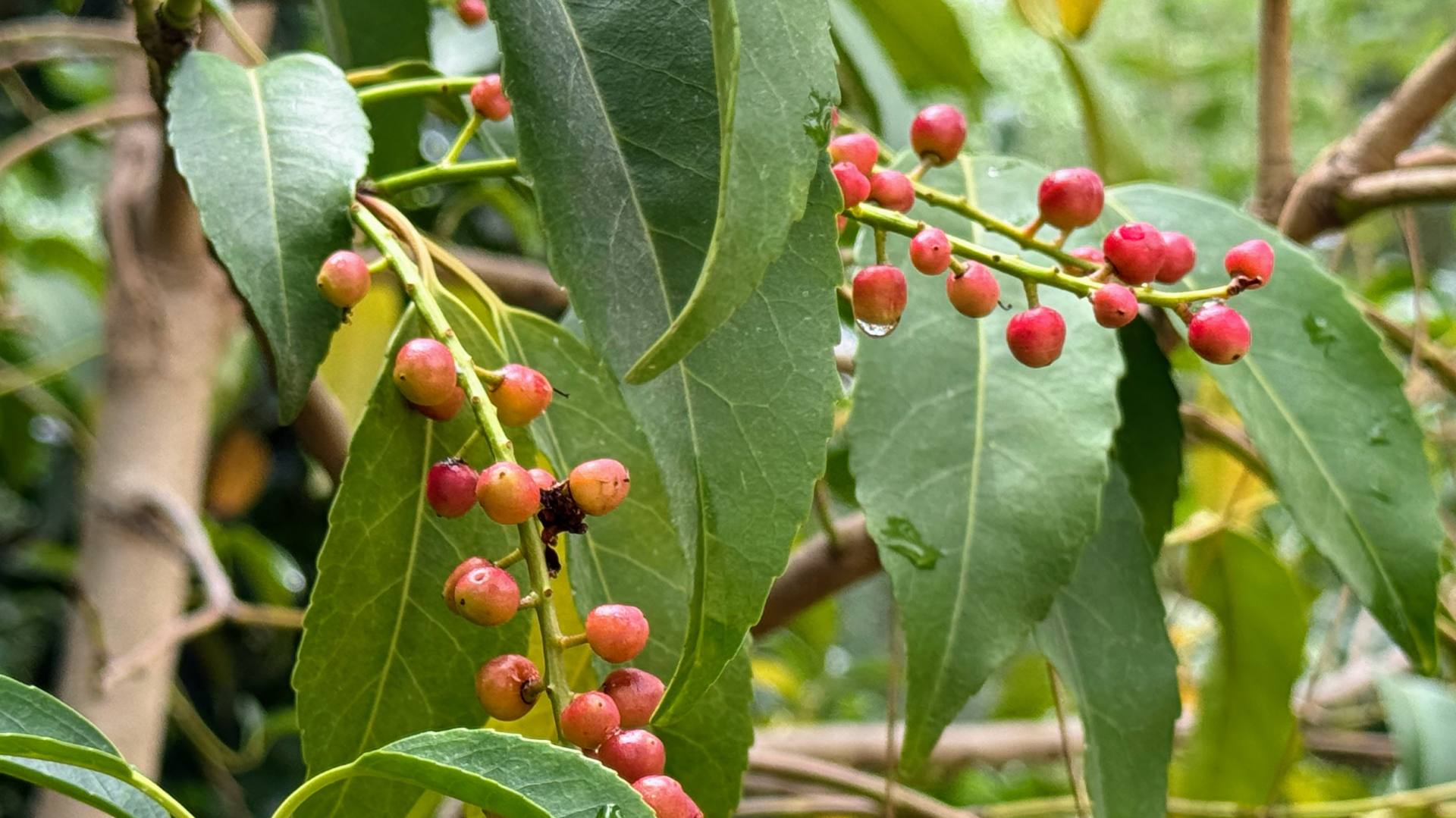
He would know, of course, that its fruits could only be ingested in modest amounts. Moderate intake of these berries improves the digestive system and provides a pleasant sense of well-being. However, due to the cyanogenic glycoside compounds that produce hydrogen cyanide, these plums, when ingested in excess, are toxic to humans and cause respiratory arrest or even death.
Oddly enough, the berries of the Portuguese laurel are bactericidal, fungicidal and emetic, that is, capable of inducing vomiting. Records state that the bark was used to treat reptile bites – such as snakes or vipers – on sheep, cows and other livestock.
Indeed, the ancient peoples of this region could find this fruitful delicacy easily. Today, it flourishes in mainland Portugal in the regions of Minho, Trás-os-Montes, Beira Litoral and Beira Baixa.
And now, in plain language – this species prefers dark and moist environments and occurs in oak forests, sometimes along assorted watercourses, ravines and thalwegs and can grow in acidic, fertile, well-drained or moist soils.
Its long history of survival grants this tree the ability to tolerate cold, drought and even continental and sea winds, given its firm and leathery foliage.