Biogallery

biodiversity

Pink Flamingo: the visitor that decided to stay

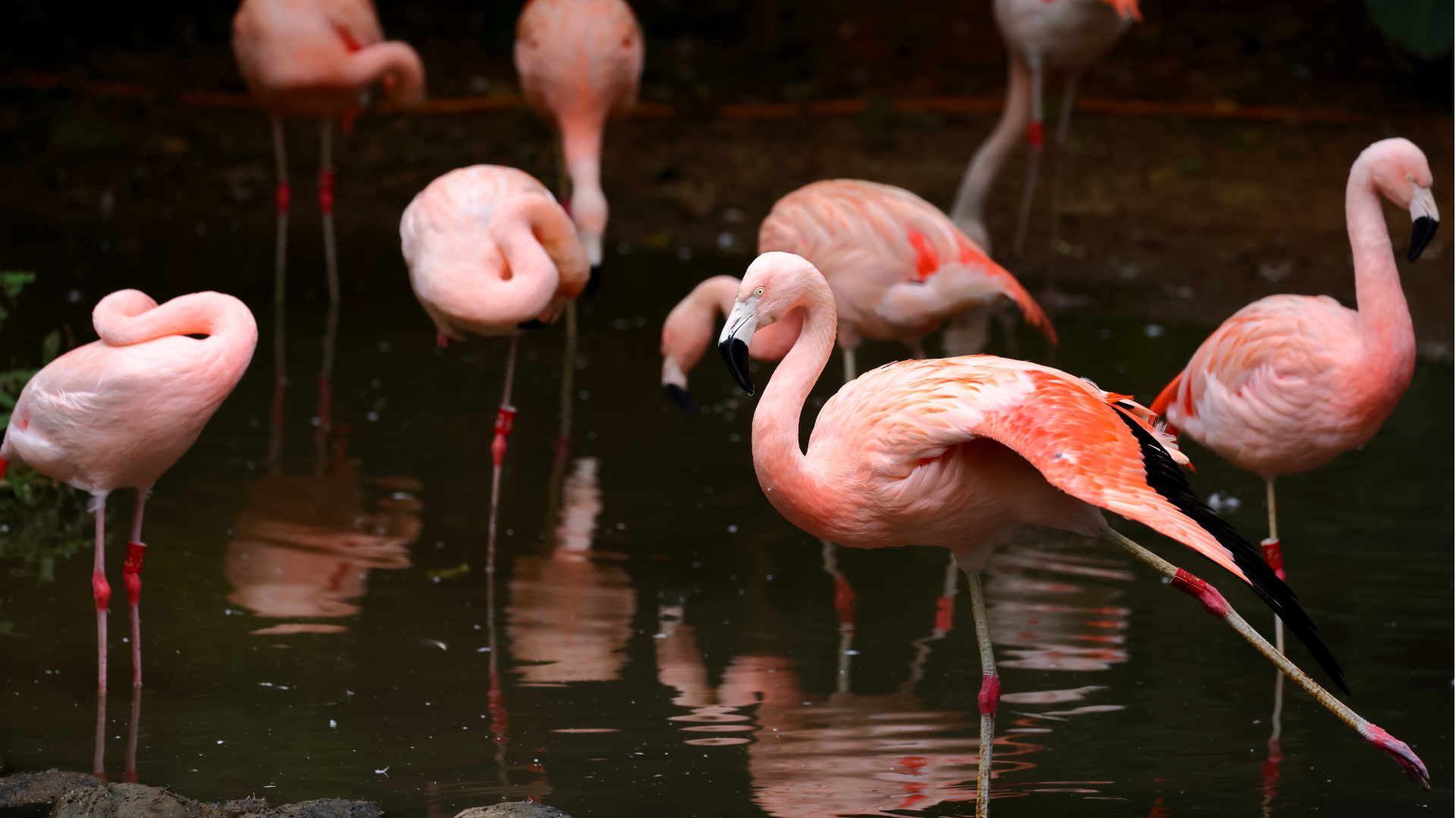
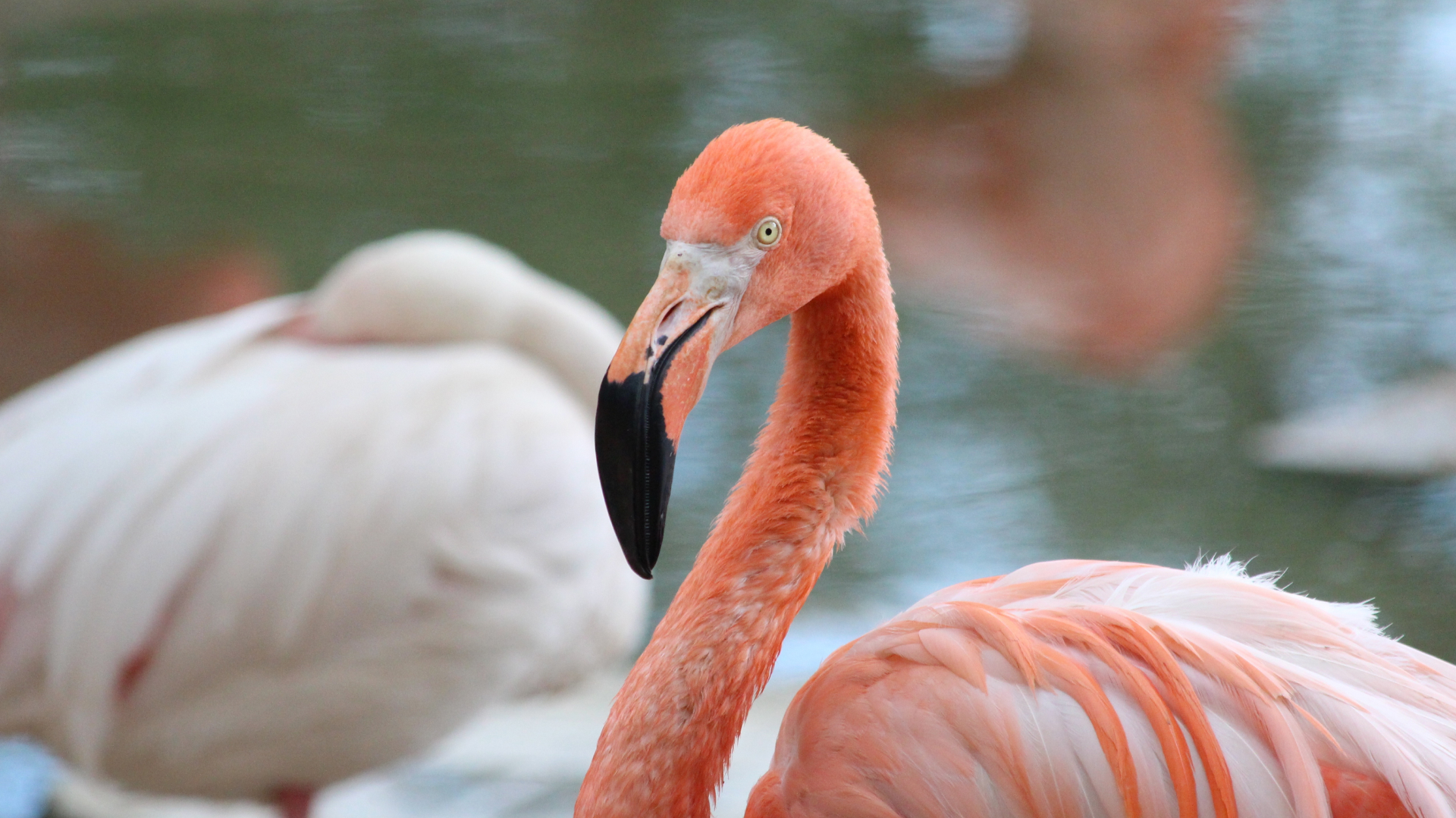
There are birds that blend quietly into the landscape. And then there is the Pink Flamingo (Phoenicopterus roseus). With its impossibly long legs, pink feathers, elegant S-shaped neck and a walk that seems part catwalk pose, part “I really need to cross this lagoon”, it is hard to ignore.

The Pink Flamingo (Phoenicopterus roseus) is one of the most iconic wild birds that can be observed in Portugal, particularly in wetlands, estuaries and salt pans.

Despite its almost tropical appearance, this species has been part of Portugal’s biodiversity for several decades and is becoming increasingly common across the country. Before the 1980s, however, sightings were rare.

Visitors to places such as the Tagus Estuary, the Sado Estuary and the Ria Formosa may be lucky enough to encounter entire flocks of these birds, often gathered in what can only be described as true “pink assemblies”. In 2017, a record number of approximately 12,000 flamingos was recorded in the Tagus Estuary.

Elegance engineered by nature

The Pink Flamingo is unmistakable. It is one of the tallest bird species found in Portugal, reaching over 1.5 metres in height and a wingspan of up to 1.7 metres.

Its plumage is predominantly white with delicate pink tones, while its wings conceal striking black flight feathers that become fully visible only when the bird takes off. Its long pink legs allow it to move easily through shallow waters.

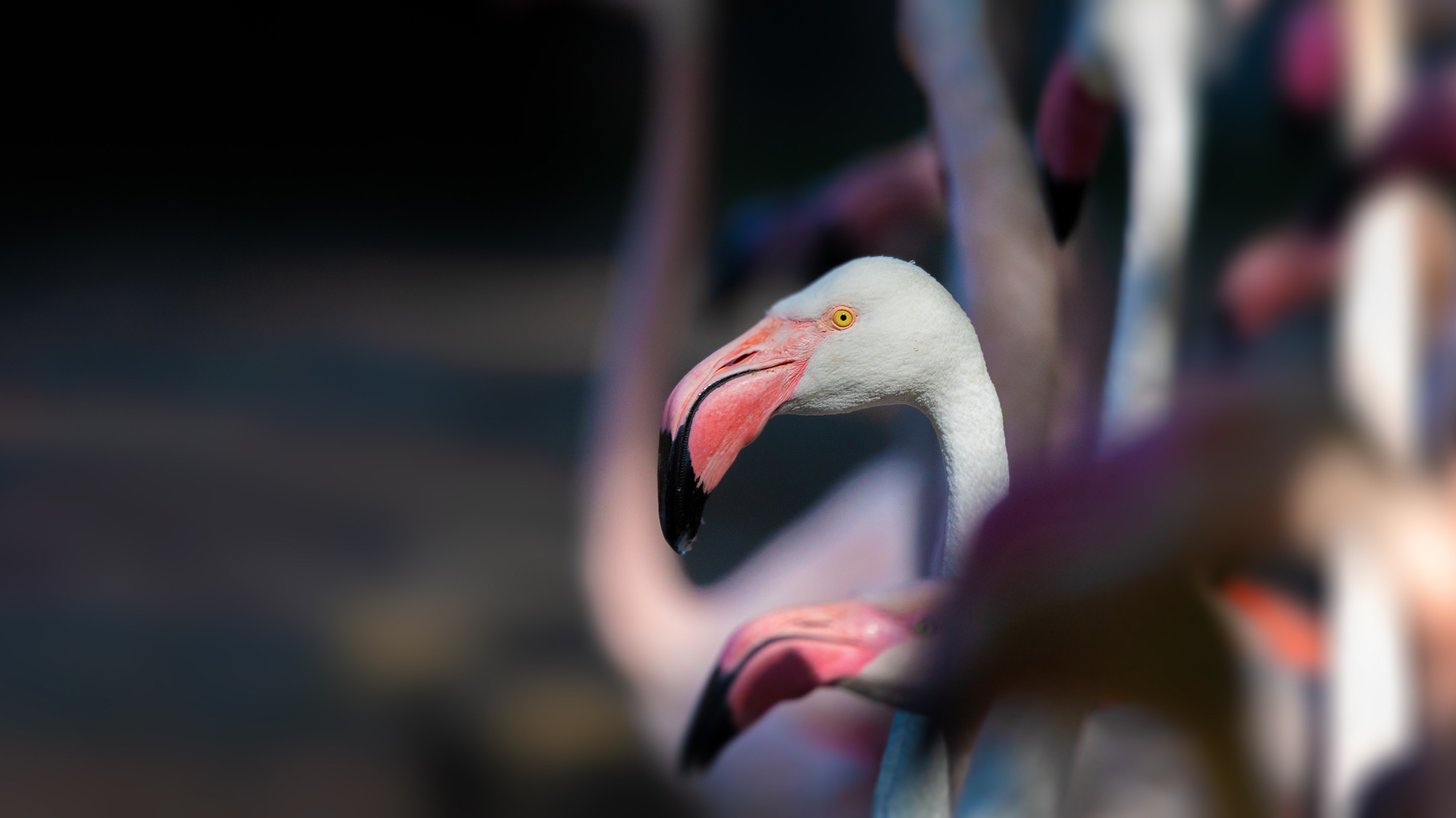
Its bill is equally remarkable. Curved downward and tipped in black, it may appear oddly shaped at first glance, but it is in fact a highly specialised filtering tool.

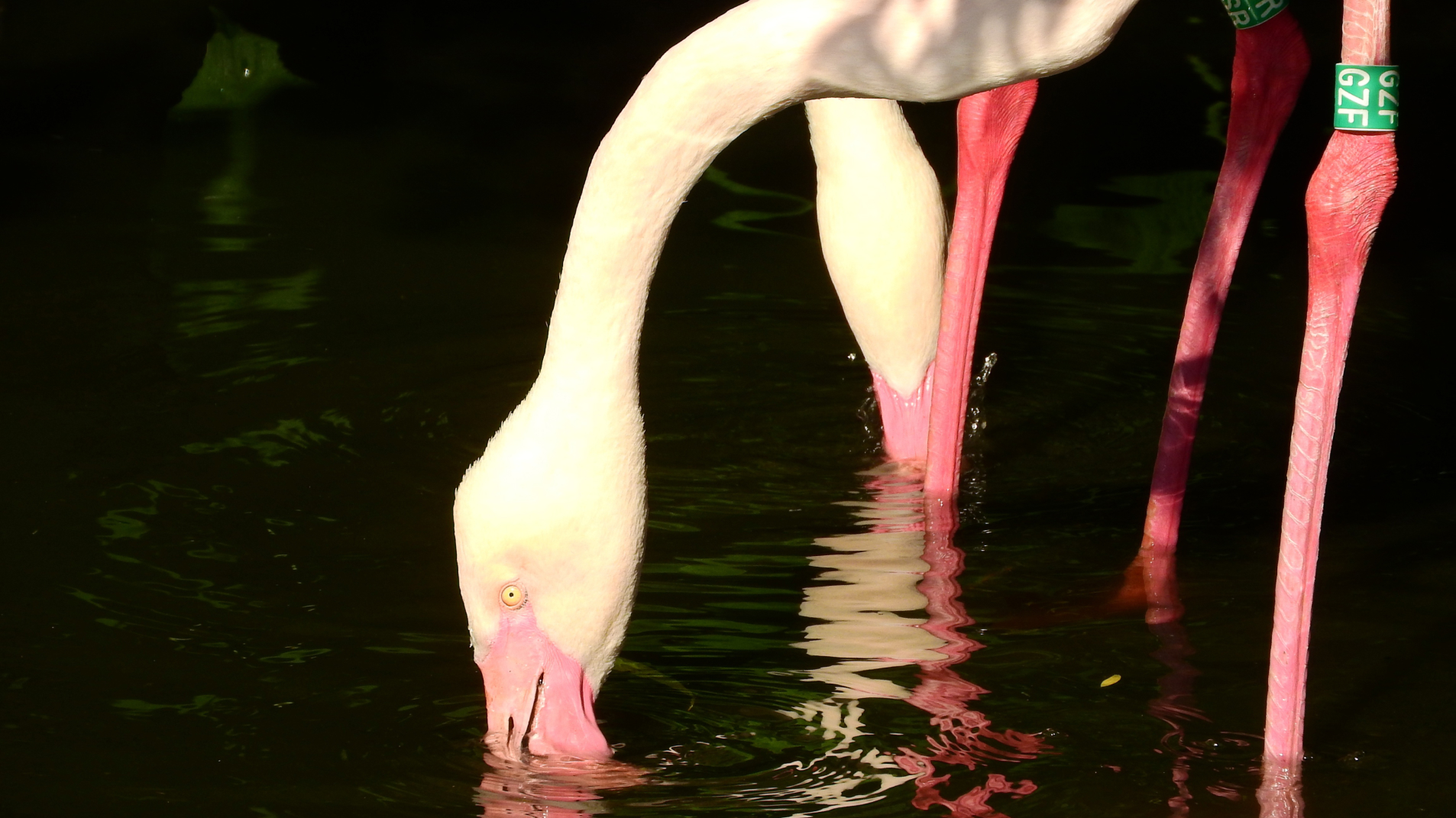
Flamingos feed during the day in shallow water, adopting a rather unusual posture. They lower their heads, turn them upside down and sweep them from side to side. Using their muscular tongue, they pump water through the bill, filtering out tiny organisms. This feeding mechanism is so efficient that it allows flamingos to exploit food resources unavailable to many other birds.

It may seem like a creature invented by someone with a vivid imagination, but evolution knew exactly what it was doing.

Despite its graceful appearance, the flamingo is also remarkably resilient. It can travel long distances and thrive in demanding environments with extreme temperatures. In flight, its legs stretch behind its body and its neck extends forward, creating the distinctive silhouette that makes the species instantly recognisable.

But why are flamingos pink?

The answer lies in their diet. Flamingos feed on small crustaceans, algae and other organisms rich in natural pigments known as carotenoids. These pigments accumulate in the feathers over time, gradually producing the famous pink colouration.

In other words, flamingos are quite literally what they eat. The richer their diet is in carotenoids, the more intense their pink colour tends to become.

Flamingo chicks, for example, hatch with grey plumage and only develop their characteristic colour as they mature. During their first weeks of life, they are fed a highly nutritious milk-like substance produced in the crop, rich in fats and proteins.

Life in groups and synchronized dances

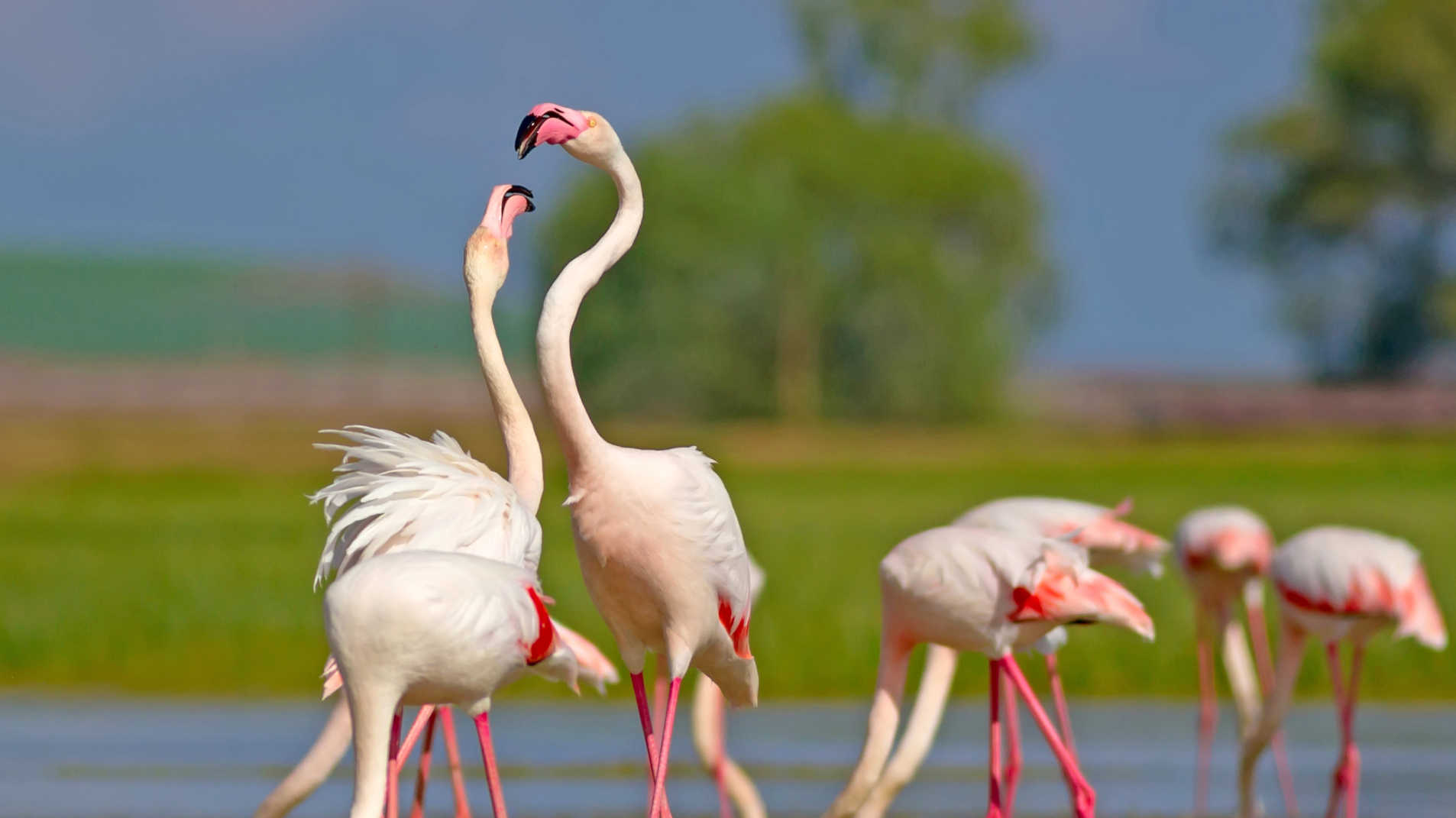
Flamingos are highly social birds that live in large colonies. During the breeding season, their courtship displays become spectacular collective performances. Dozens or even hundreds of birds walk together, move their necks in unison and display their wings in perfectly synchronised movements.

It is no exaggeration to say that they resemble a contemporary dance troupe created by nature itself.

Once pairs are formed, they build mud nests shaped like small cones or volcanoes, raised above the water to protect the egg from moisture and excessive heat. A single egg is usually laid and incubated by both parents for around one month.

After hatching, the chick remains near the nest for a few days before joining other young flamingos in what are effectively flamingo nurseries. Even among hundreds of juveniles, parents can recognise their own offspring through vocalisations.

New behavioural patterns

For many years, flamingos in Portugal were regarded primarily as winter visitors. They spent the colder months feeding and resting in estuaries and salt pans before continuing their migrations.

Recently, however, something unexpected has occurred: breeding colonies have become established within Portuguese territory. Flamingos are no longer merely seasonal visitors; they are also reproducing here.

Scientists do not yet fully understand the reasons behind this behavioural shift. Climate change, greater food availability and broader changes in Mediterranean habitats are among the possible explanations.

Whatever the cause, Portugal appears to have evolved from a simple winter stopover into a potential long-term home.

The species depends heavily on the conservation of its habitat, namely wetlands, which continue to face threats from pollution, urban development, human disturbance and climate change.

These ecosystems are also essential for countless other species and play a vital role in water retention, flood control and carbon storage. Protecting wetlands means protecting the environmental balance upon which we all depend.

For now, the Pink Flamingo continues to fascinate. There is something wonderfully improbable about it: a bird that appears exotic and extravagant, yet feels perfectly at home in Portuguese estuaries and salt pans. A reminder that Portugal’s biodiversity is often far more colourful and surprising than we imagine.
How do we protect this species?

  • Many migratory bird species have been recorded on forest properties managed by The Navigator Company. The Pink Flamingo is among the species that has already been observed in the ponds of Herdade do Gavião, in Aljustrel.The conservation of this species depends on the availability of wetlands for feeding and resting. To support these habitats, the company establishes protected buffer zones around water bodies where forestry activities are restricted, while also prioritising the restoration of natural habitats.

Did you know?

  • Pink Flamingos can sleep standing on a single leg, reducing heat loss and muscle fatigue through a natural joint-locking mechanism.
  • In captivity, they may live for up to 60 years, making them one of the longest-lived birds of their size.
  • The Latin name Phoenicopterus means “purple-winged” or “crimson-winged”, referring to the reddish glow of their feathers in sunlight.
  • In several ancient cultures, flamingos symbolised beauty and longevity, and their feathers were used in ornaments and rituals.
  • Flamingos appear in sculptures and paintings from Ancient Egypt, where they were associated with the sun god Ra.
  • In captivity, breeding colonies often require social stimulation, including mirrors and the presence of other flamingos, to successfully initiate reproduction.
  • Scientists have discovered that flamingos form long-term friendships, often socialising in small groups of two, three or four individuals, with bonds lasting for years.
  • Pink Flamingo

    Phoenicopterus roseus

  • Kingdom

    Animalia

  • Order

    Phoenicopteriformes

  • Family

    Phoenicopteridae

  • Genus

    Phoenicopterus

  • Habitat

    Flamingos are commonly found in traditional wetland habitats, including shallow lagoons, coastal lagoons, estuaries, floodplains, salt marshes and salt pans. These environments typically provide abundant food resources and are located away from significant human disturbance and predators.

  • Distribution

    The Pink Flamingo has a fragmented distribution across several continents, occurring in North, East and Southern Africa, Southwest Asia, the Galápagos Islands and parts of Europe. In Portugal, the most favourable locations for observing the species are the large coastal wetlands of central and southern regions, including Lisbon and the Tagus Valley, Alentejo and the Algarve.

  • Size

    Height: 1.10 – 1.50 m Wingspan: 1.40 – 1.60 m

  • Lifespan

    In the wild, Pink Flamingos typically live between 30 and 40 years. In captivity, they may reach 60 years of age.

  • Conservation status

    Global: LC (Least Concern). Portugal: Wintering Population LC (Least Concern); Breeding Population NE (Not Evaluated)

Pink Flamingo: the visitor that decided to stay

Discover the pink flamingo: fascinating facts, habitat, diet, breeding behaviour, and the reasons behind its recent nesting success in Portuguese wetlands.

Temas: