Biogallery

Biogallery

Cleavers: a plant that does not ask for attention — it grabs it

Known for clinging to clothing and animal fur, cleavers—also called sticky willy—does the same in nature: it occupies space, protects the soil and integrates ecological chains that we rarely notice, but on which we depend.

Unnoticed by some and irritating to others, cleavers (Galium aparine) is one of those plants that almost everyone has encountered, even if they do not recognise it or know its name.

Just walk along a path, a hedge, a damp area or a vegetable garden and there it is: an opportunistic climber with thin, sticky stems that latch onto clothes, animal fur and the patience of those who try to pull it out. But before labelling it a “weed”, it is worth taking a closer look at its ecological function.

A discreet… and sticky presence

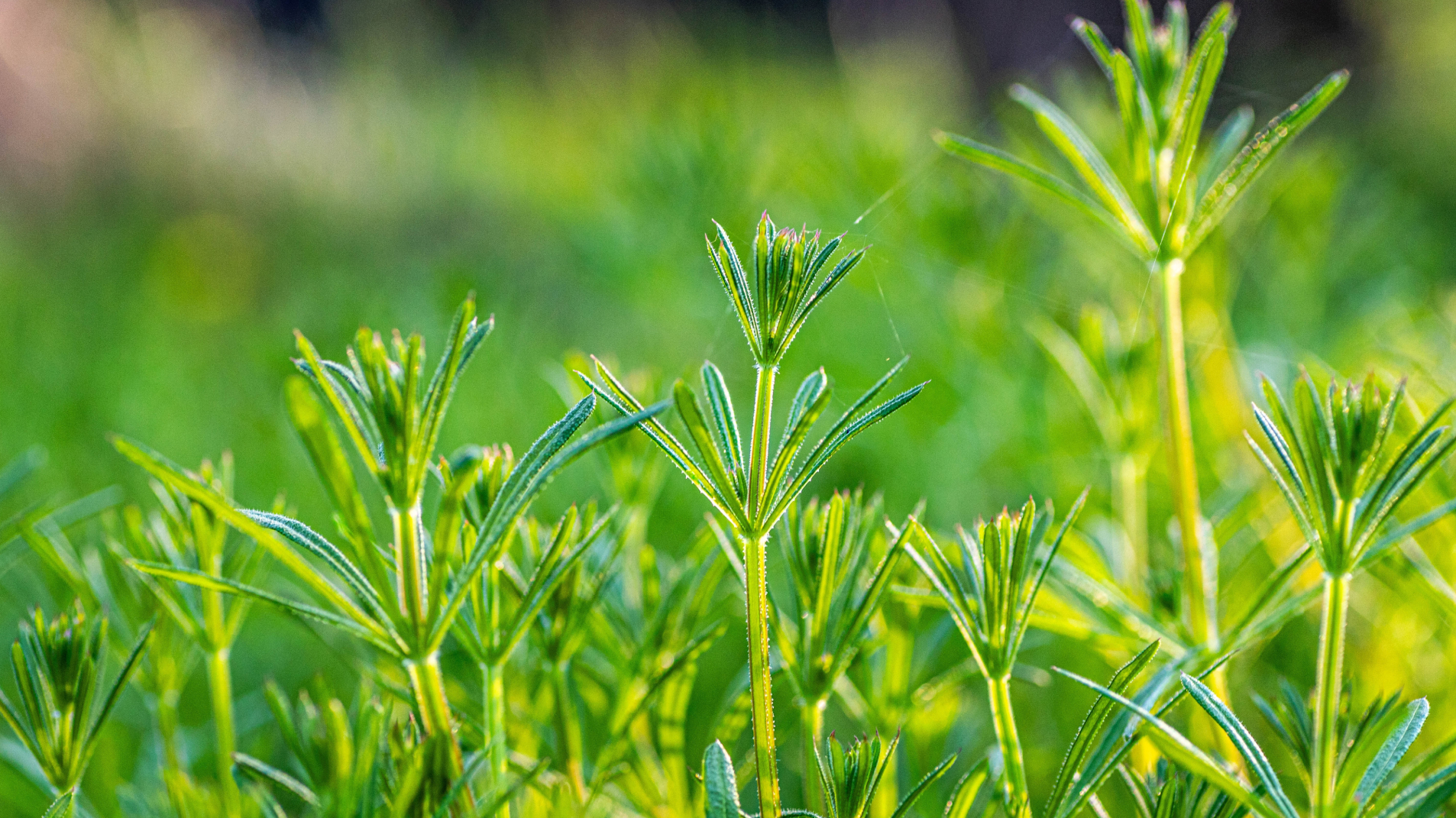
Galium aparine is a wild, annual, ruderal plant belonging to the Rubiaceae family. It is common in nitrogen‑rich soils and is frequently associated with disturbed environments (those affected by human activity, such as roadside verges), as well as agricultural areas and watercourses.

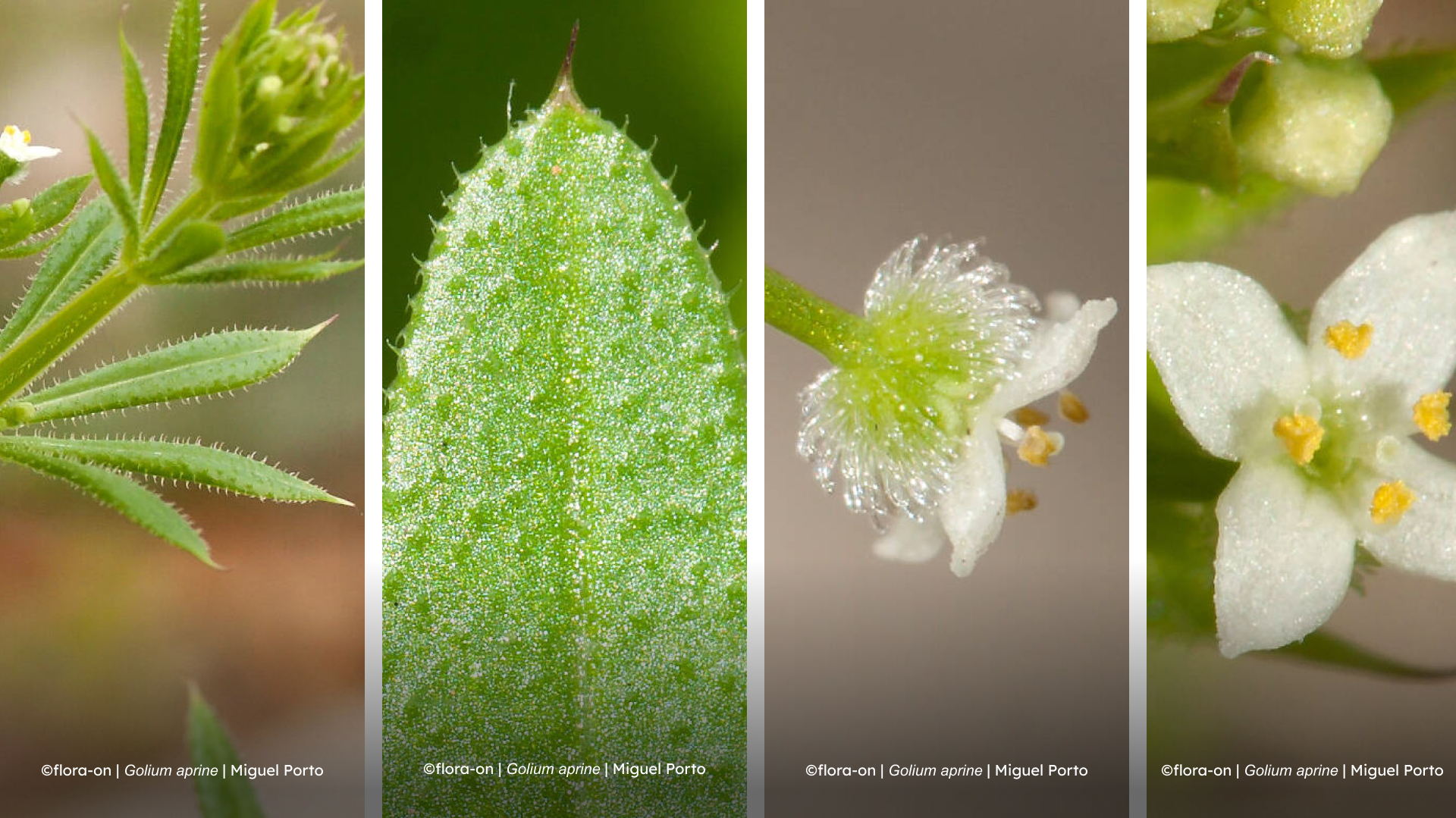
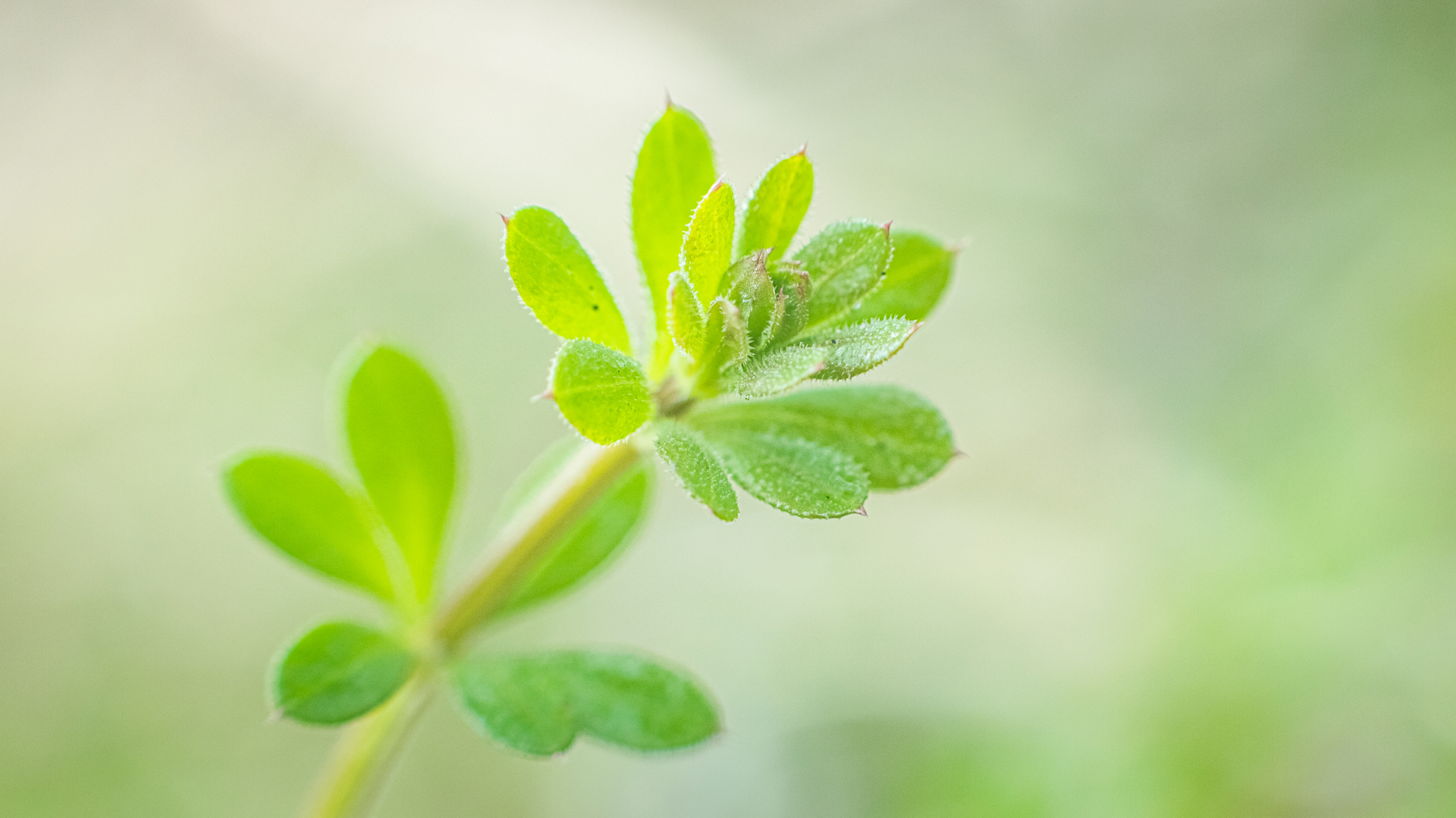
Its quadrangular stem is covered with tiny microscopic hooks that allow it to climb over other plants and shrubs, sometimes covering large areas of woodland and brambles, without causing damage. This strategy enables it to capture more sunlight and increases the species’ chances of survival.

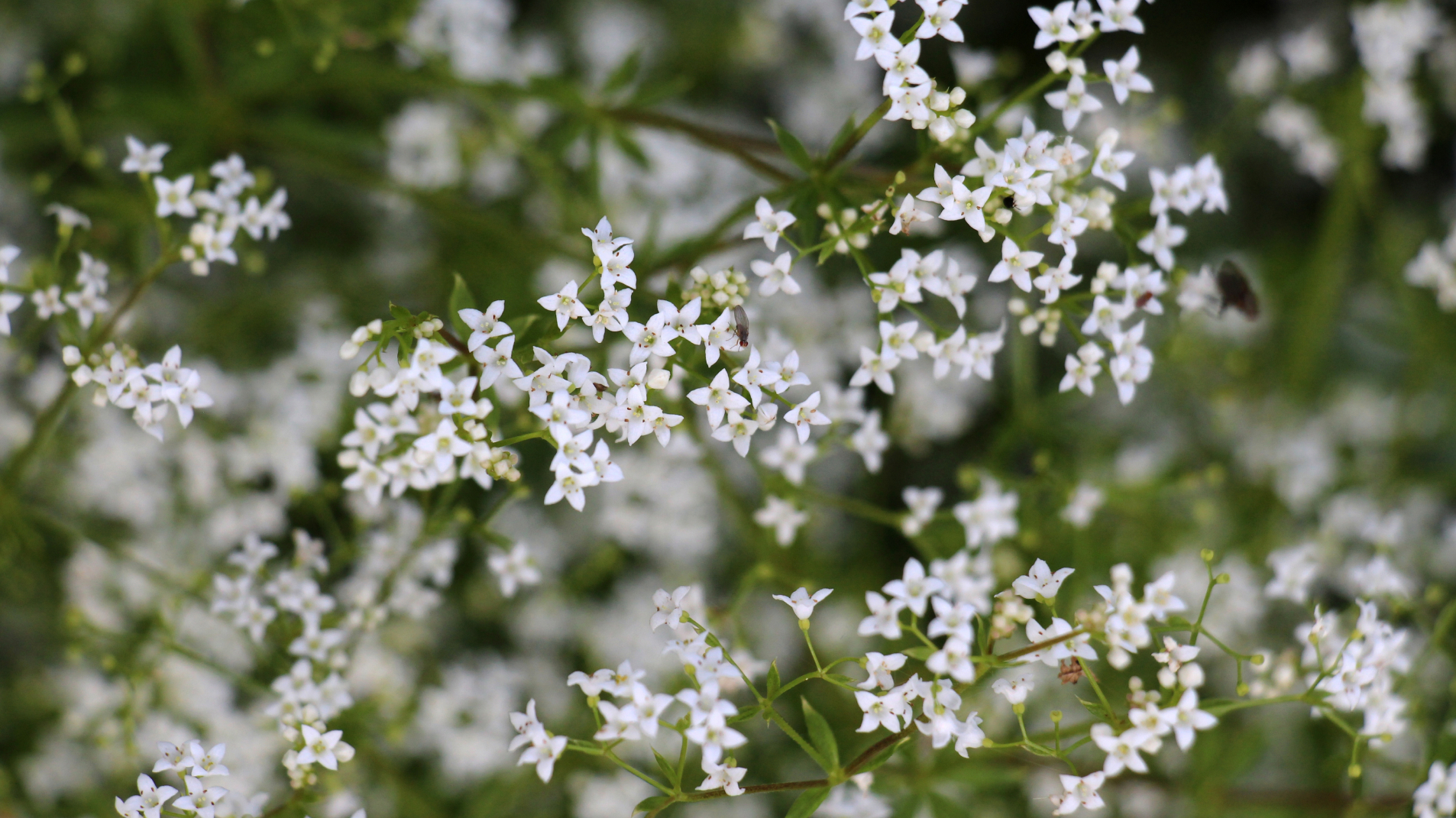
The leaves are lanceolate, with the upper surface also lined with hooked hair. The small white flowers develop in the leaf axils and have four petals.

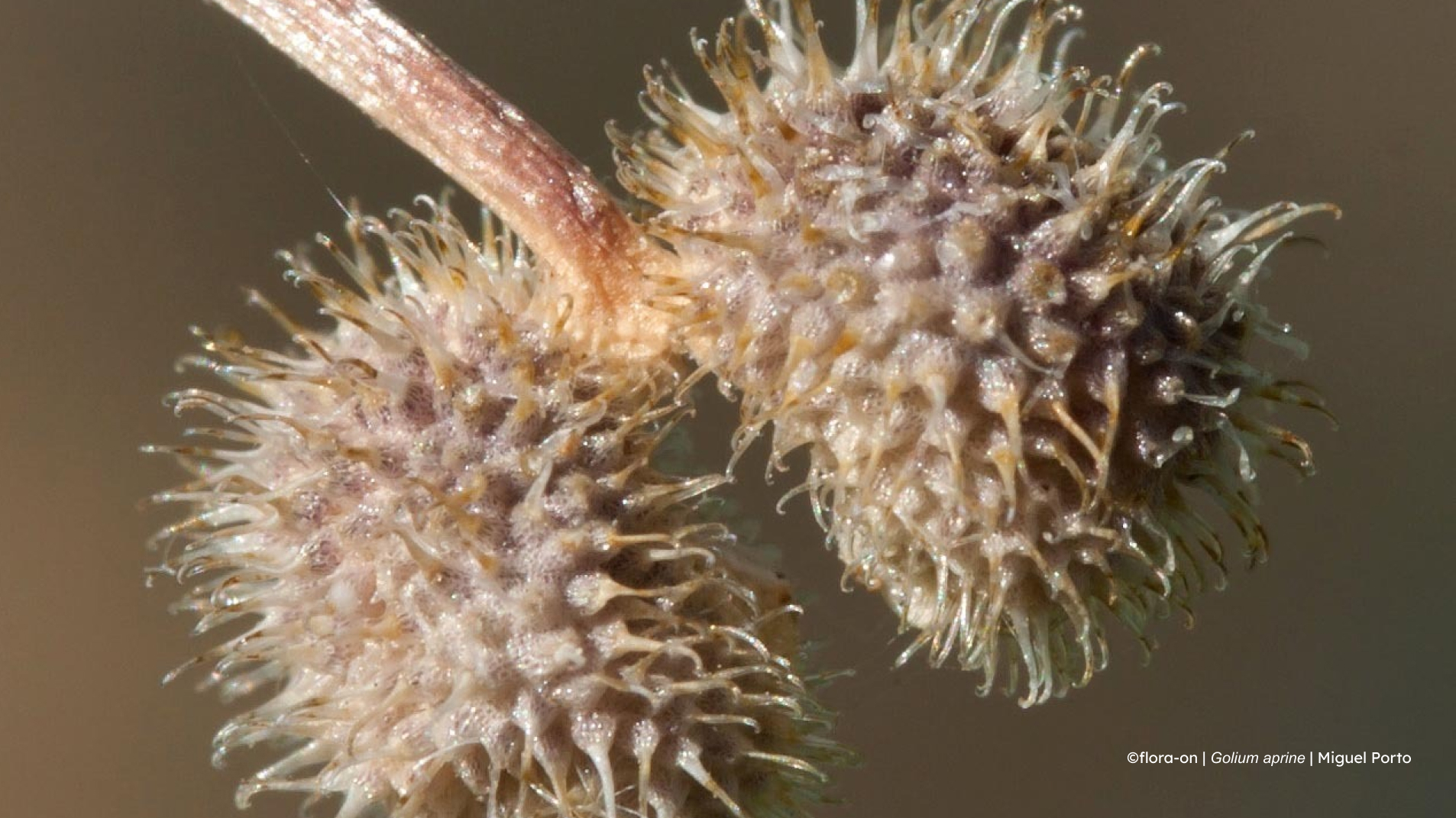
The tuberculate fruits measure around 4 millimetres and use the same strategy as the stems. Also equipped with hooks and hairs, they easily cling to fabrics and animal coats, helping seed dispersal and ensuring the expansion of the species without major energetic investment.

Between “weed” and ecological ally

This behaviour reveals a clear ecological logic. Cleavers acts as a fast‑colonising species, occupying available spaces and contributing to soil cover. In doing so, it helps reduce erosion, retain moisture and create microhabitats for small invertebrates. For several insect species, it provides shelter and a food source, integrating food chains that often go unnoticed.

Its presence can also function as an ecological indicator. It frequently appears in fertile, nutrient‑rich soils—especially those high in nitrogen—signalling situations where organic matter is abundant or where the soil has been recently disturbed. In agricultural and forest systems, this information can be valuable: rather than blindly eliminating the plant, it is important to understand what its abundance is revealing about ecosystem dynamics.

From a sustainable management perspective, cleavers reminds us that not all spontaneous plants are enemies of productivity. In certain contexts, they can contribute to soil protection and functional diversity within the system. The challenge lies in balancing control and tolerance, assessing when the species is merely occupying an ecological niche and when it becomes excessively competitive.

From phytotherapy to culinary uses

Despite its strong colonising ability, cleavers is, paradoxically, a plant with a delicate appearance—light and soft to the touch—and is attributed with various applications in traditional phytotherapy.

For medicinal purposes, the fresh whole plant is generally used, harvested between spring and late summer. It is frequently described as having diuretic properties and is associated with supporting urinary tract function and the elimination of kidney stones, as well as relieving some urinary infections.

In traditional medicine, it is also described as a stimulant of the lymphatic system, potentially helping to reduce glandular swelling and certain nodules. Its popular use also extends to skin conditions such as seborrhoea, eczema or psoriasis, being considered a depurative plant linked to the elimination of toxins through urine.

For external application, it may be used in poultices, traditionally associated with cleansing, disinfecting and healing small wounds, as well as helping to stop superficial bleeding.

In the field of beauty, light infusions may be used to wash the face, with the aim of evening out skin tone, and, according to traditional practices, in cases of jaundice.

In hair care, a decoction of the plant is sometimes added to rinse water to help reduce dandruff and is also referred to as a natural deodoriser.

In culinary and utilitarian contexts, the dried fruits can be used to prepare a coffee‑like beverage, while the ground root appears in some traditions as an alternative to chicory. The plant is also used in dyeing, producing a highly valued red dye.

Ultimately, this “sticky” plant is a good example of how biodiversity works through simple yet effective strategies. Cleavers does not ask for attention—it grabs it. And in doing so, it shows that even the most common species play structural roles in ecosystem regulation and resilience.
Did you know that…

  • This plant was already known to the ancient Greeks. Dioscorides, a physician, pharmacologist and botanist who lived in the 1st century AD, explains in his treatise De Materia Medica how shepherds used bundles of its stems to clarify milk.
  • The Rubiaceae family, to which cleavers belongs, is highly diverse. One example is the coffee plant, a close relative. Perhaps for this reason, in Ireland, cleavers was used as a coffee substitute.
  • The scientific name aparine is thought to derive from the ancient Greek word aparínē, meaning “that which clings”.
  • Cleavers

    Galium aparine

  • Plants

  • Class

    Magnoliopsida

  • Order

    Gentianales

  • Family

    Rubiaceae

  • Genus

    Galium

  • Habitat

    Occurs spontaneously mainly in moist soils with good nitrogen and phosphate levels. It spreads most effectively along riparian vegetation edges, but also occurs in cultivated fields, hedgerows, wastelands, abandoned land, roadside verges and similar areas.

  • Distribution

    This species is native to Europe and the Middle East. It is distributed throughout Portugal, from north to south.

  • Conservation status

    No information available.

  • Height / Length

    May reach between 80 and 180 centimetres in height.

  • Longevity

    No Information available.

Temas: