Biohistories

Biohistory

How does species extinction impact humanity?

In January 2026, the International Union for Conservation of Nature announced the first troubling news of the year: 44 species were declared extinct in the previous year. This result stems from a scientific assessment carried out by experts worldwide and included in the IUCN Red List of Threatened Species. Among them were animals, plants and fungi. 

This is not new: mammals, birds and invertebrates disappear from our planet every year, losses considered irreversible. To put this figure into context, 310 species have been declared extinct over the past five years.

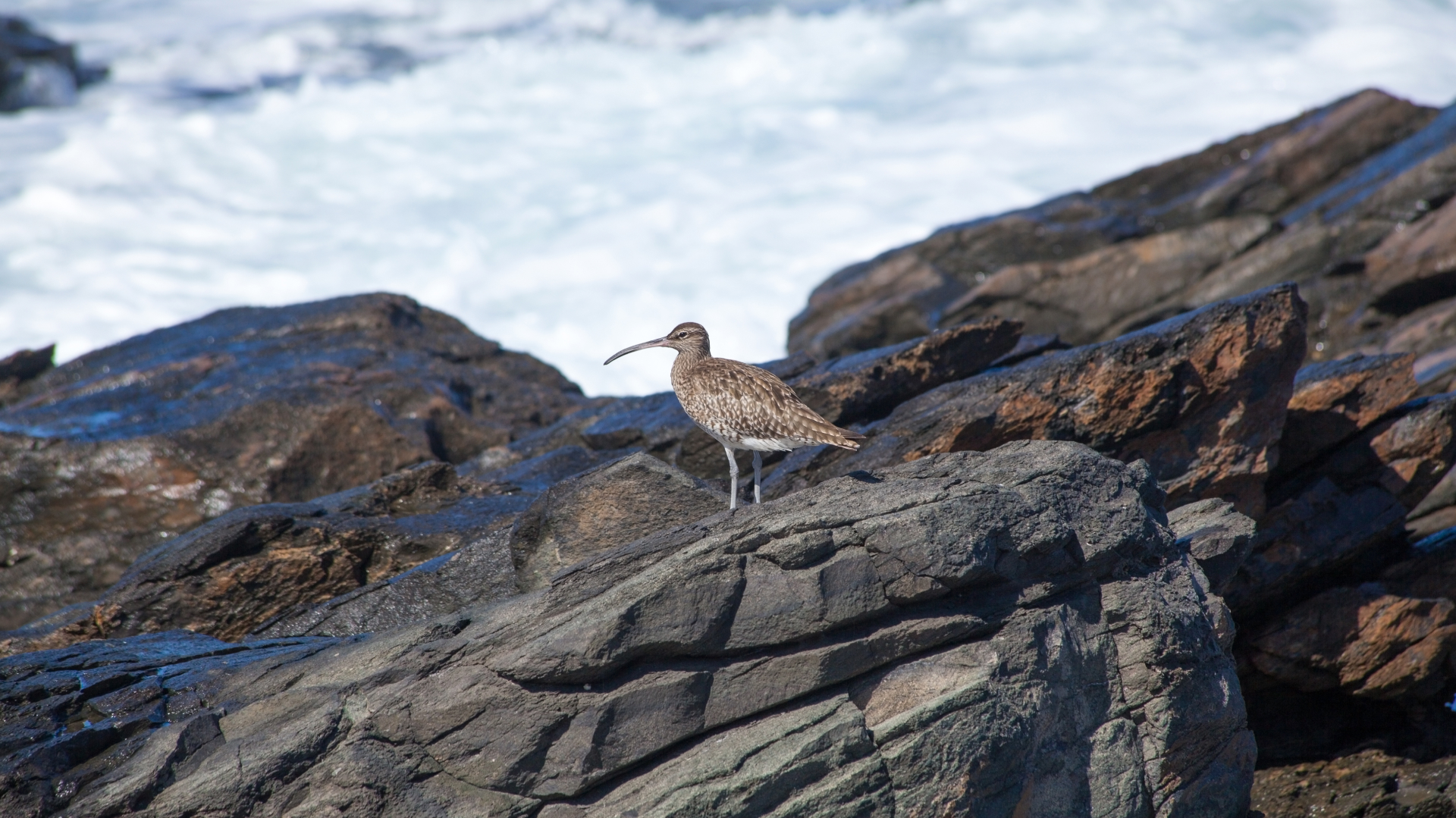
In 2025, we said goodbye to the slender-billed curlew (Numenius tenuirostris), featured in the main image of this article. A migratory bird that wintered around the Mediterranean, it had long ceased to be seen flying across the skies of Eurasia and North Africa. The last confirmed sighting dates back to 1995, in Morocco. It is the first known bird species from Europe, North Africa and Western Asia to become extinct since 1500.

Other species also joined this list. One example is the small marine snail Conus lugubris, native to the coastal waters of Cape Verde. Although potentially dangerous to humans because of its powerful venomous sting, it played an important role in its marine ecosystem.

But this is only the tip of the iceberg. Alongside these extinct species are many others now facing imminent danger. Of the 172,620 species included in the IUCN Red List, 48,600 are threatened. Significant declines have been recorded among cycads (71%), corals (44%), amphibians (41%), and sharks and rays (38%). In Portugal, bird populations have declined by 61%, a figure that stood at 44% just ten years ago, according to SPEA.

The pressures driving this scenario are well known: habitat degradation and loss, invasive species, overexploitation, emerging diseases and climate crisis. Whether these pressures result directly or indirectly from human activity, our species is the main cause of this decline, but also the one with the greatest responsibility for preventing further losses.
Species extinction: a problem on many fronts

But what does this mean for ecosystems, for our planet and for humanity?

Whenever ecological balance is disturbed, there are consequences. Predator-prey relationships change, the risk of overpopulation increases, and the loss of one species can trigger the decline of others. Ecosystems become unbalanced.

There is no doubt that biodiversity is in crisis, and this crisis has been knocking at our door for some time. What may seem like a distant or insignificant loss affects us in many ways: through food security, human health and, naturally, climate stability.

In 2021, Harvard University’s Center for Climate, Health and the Global Environment published research suggesting that protecting wild nature and preventing deforestation can help reduce the risk of pandemics such as COVID-19. When pathogen habitats are destroyed, disease-causing organisms are more likely to spread beyond their ecosystems through contact between wildlife and people, resulting in zoonotic diseases. By conserving species and their habitats, we help keep these pathogens within their natural environments, reducing the likelihood of new outbreaks.

Climate change is another consequence of deforestation and environmental degradation. It can also contribute to the spread of zoonotic diseases, as species seek new habitats where they can better adapt to changing conditions. It can therefore be argued that combating deforestation is also a preventive measure for global public health.

An invisible water footprint

Looking further at global health, we find another connection between nature and medicine. Countless active compounds used in essential pharmaceuticals originate from living organisms, and scientists continue to discover effective treatments in plants, and sometimes animals and fungi. This offers yet another perspective on the importance of biodiversity and its impact on humanity.

Although we are not yet talking about extinction, the rapid decline of pollinator species should concern governments, businesses and individuals alike. This group includes bees, butterflies, flies, bats and certain bird species. In Europe alone, bee species have declined by 37% and butterfly species by 31%. Their extinction would create chaos throughout the global food chain, directly affecting the well-being of millions of people.

The first global index measuring the risk of species decline and its effects on humanity, developed by the University of Cambridge, states that “we are in the midst of a species extinction crisis (…)”. The study analysed the causes and consequences of pollinator decline across six regions of the world. Pollination, essential for 75% of agricultural production and flowering plants, is in decline. The consequences are already being felt, although the full scale of the impact remains unknown.

According to the study, habitat destruction, land management practices involving fertiliser use and pesticide application are among the principal causes. Climate-related phenomena are also highlighted as major sources of instability.

Let´s explore a few other perspectives

Species extinction through the eyes of scientists

For scientists, the loss of a species means the loss of scientific knowledge and biological clues that could lead to future discoveries in pharmaceuticals, medicine, biotechnology and even agriculture, helping crops become more resistant to diseases and pests. Every species carries a unique genetic code. Once lost, that code can never be recovered. The disappearance of one species may also contribute to the decline of others and even entire ecosystems, creating a domino effect.

Species extinction through the eyes of Communities

Communities that depend on ecotourism, fishing and hunting may see their way of life permanently altered by species extinction. Many peoples who place nature at the centre of their culture, including Indigenous communities, maintain strong cultural and spiritual connections with animals that feature in stories passed down through generations, as well as in music and ancestral traditions. When these sacred connections are lost, entire communities experience a form of grief linked to their own identity. At the same time, this loss can strengthen awareness of the importance of biodiversity.

Species extinction through the eyes of philosophers

Surprisingly, species extinction also raises ethical questions. What responsibility do human beings have to prevent the extinction of other species? Are we morally obliged to act because we understand its global consequences and our duty towards future generations? And what should our relationship with the planet be?Studies suggest that mass extinction events are inevitable. Questions such as these are frequently discussed whenever species extinction enters public debate.

Mitigation: technology at our disposal

Today, technology offers more opportunities than ever to mitigate species extinction.

We now have tools that help us preserve habitats, restore species, establish protected areas and measure the effectiveness of conservation actions. Satellite imagery and Geographic Information Systems allow scientists to analyse biodiversity and its many layers. Drones provide real-time images of populations and their movements, helping conservationists refine management and protection strategies.

When the planet loses a species, we lose far more than a scientific name on a list. No species exists in isolation, and humanity now understands the interactions, implications and consequences involved. It is time to act decisively. Preventing species extinction is both urgent and a responsibility shared by all of us.

How can I help?

  • Reduce, Reuse and Recycle
  • Eliminate single-use plastics such as bags, bottles and straws, which pollute oceans and kill marine life.
  • Sort waste correctly to reduce pressure on ecosystems.
  • Choose sustainable and local products
  • Avoid products made from threatened animals or plants, such as ivory, corals or timber sourced from tropical forests.
  • Choose local and organic products, reducing demand for pesticides that harm pollinators.
  • Protect local habitats
  • Plant native species in your garden or balcony to support local wildlife, including pollinators and birds.
  • Reduce your ecological footprint
  • Use public transport, cycle or walk more often to reduce emissions linked to climate change.

Save energy at home by using LED lightning and switching off appliances when not in use.

13th May, 2026

Temas: