When we think of bullying, we usually picture a human behaviour: repeated intimidation, social exclusion or aggression directed at someone more vulnerable. But does this kind of behaviour also exist in the animal kingdom? The answer is more complex than a simple “yes” or “no”.
In scientific terms, the concept of bullying is closely linked to the human social and psychological sphere. It involves intention, repetition and an imbalance of power. In animals, researchers prefer terms such as “social aggression”, “dominance hierarchy” or “harassment between individuals”, because attributing human motivations to other species can lead to misleading interpretations. Nevertheless, some behaviours observed across different animal species bear a resemblance to what humans recognise as bullying.
Hierarchies that can become violent
Many animals live in groups organised according to social hierarchies. In some species, such as chickens, wolves and primates, there is an established order that determines who eats first, occupies the best resting places and has priority in mating.
In domestic chickens, for example, there is the well-known “pecking order”, a system in which dominant individuals may repeatedly peck subordinate birds to reinforce their position. Under stressful or overcrowded conditions, this aggression can intensify, leading to the constant targeting of a particular individual.
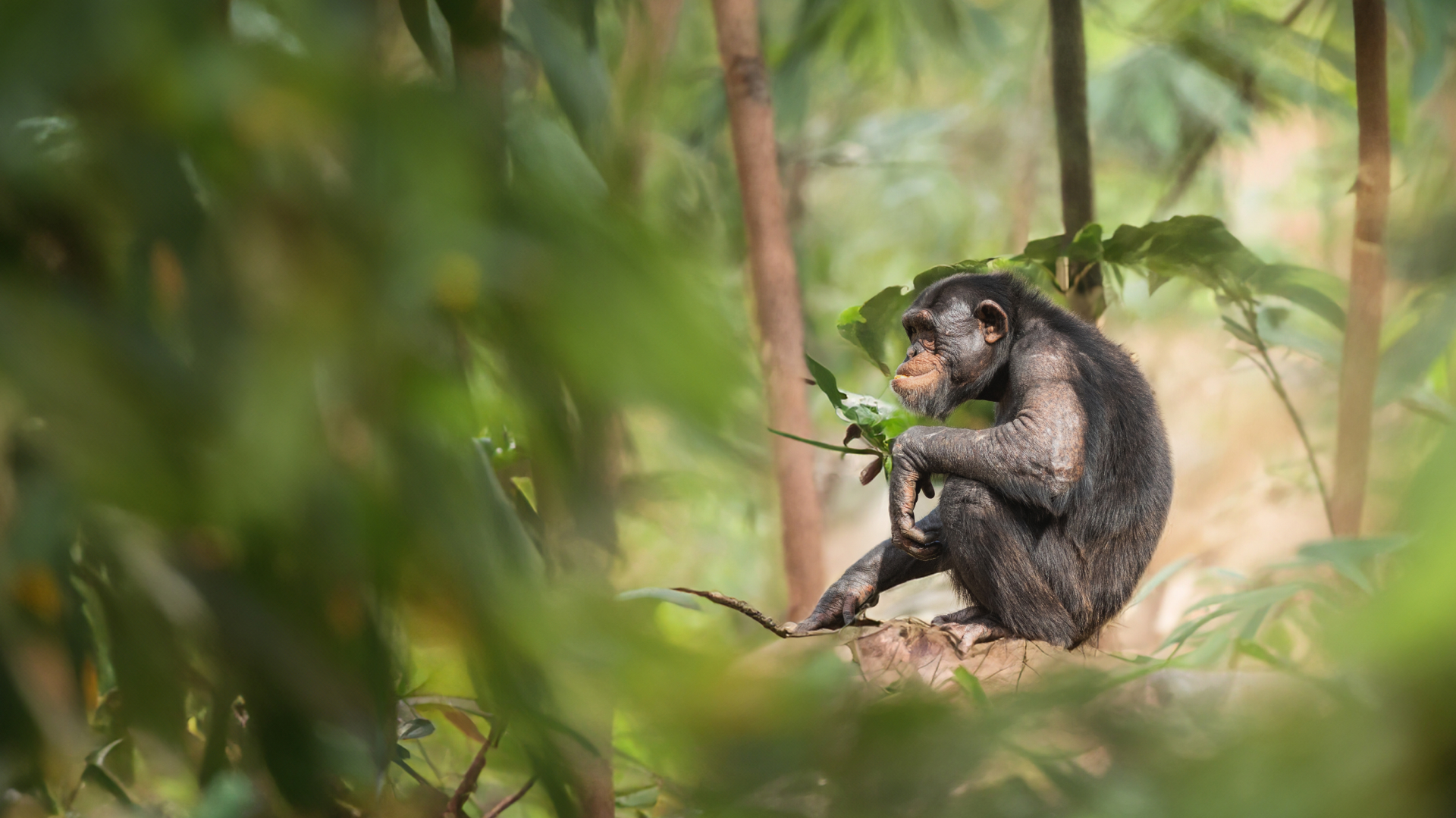
Among primates, particularly in some monkey populations, higher-ranking individuals have been observed intimidating more vulnerable members of the group, preventing them from accessing food or excluding them from social interactions. In some cases, several individuals may gang up on a single animal, creating something similar to social exclusion.
When the group targets one individual
One of the most striking examples can be found among some seabirds and social mammals. In densely populated colonies, an injured, sick or otherwise different individual may become the target of the group.
Among chickens and turkeys, even a small visible wound can trigger repeated attacks from other members of the flock. Blood or unusual physical characteristics seem to act as a stimulus for collective aggression. The targeted animal may become isolated and continue to be harassed for days.
Persistent harassment has also been recorded among dolphins. Some juveniles appear to repeatedly pursue weaker individuals, nipping at them or preventing them from keeping up with the group. However, scientists still debate whether these behaviours represent genuine intimidation or simply forms of social play taken to an extreme.
Despite superficial similarities, it is important to distinguish between human bullying and animal behaviour. In animals, aggression is usually linked to:
- Competition for food;
- Territorial defence;
- Access to mates;
- Maintenance of social hierarchy;
- Elimination of vulnerable individuals.
In many cases, these behaviours are not driven by intentional cruelty, but by evolutionary mechanisms associated with survival. A dominant animal does not “humiliate” another in the human sense of the word; it is reinforcing its position within the group.
Even so, some researchers acknowledge that highly social species, such as primates, elephants, bees and cetaceans, may display more complex behaviours in which the line between instinct and social interaction becomes less clear. In certain cases, this complexity extends beyond aggression and reveals surprisingly sophisticated forms of collective decision-making, including organisational mechanisms reminiscent of democracy in the animal kingdom.
What animals help us understand
Studying these interactions can help us better understand the biological origins of social aggression. While human bullying has a strong cultural and emotional component, the tendency to establish hierarchies and exclude more vulnerable individuals may have deep evolutionary roots.
The key difference may lie in awareness. While animals follow patterns linked to survival, human beings can reflect on the consequences of their actions and choose to behave differently.
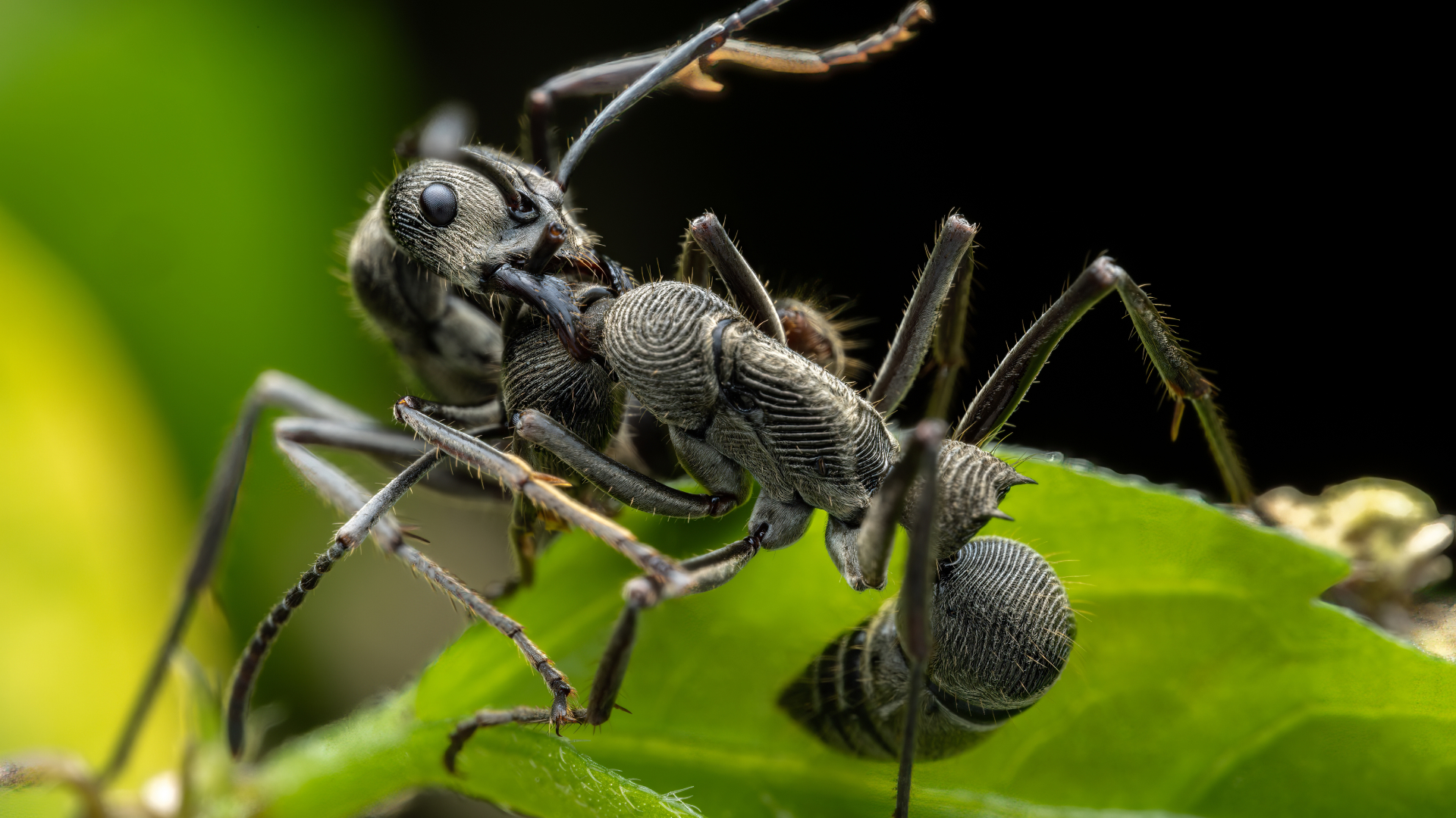
Ultimately, observing the animal kingdom reminds us that social aggression is not unique to our species. From an ant colony to the clever social dynamics of monkeys, the natural world is full of hierarchies and struggles as individuals seek their place within a group. Yet it also shows that, among all animals, humans may be the only ones capable of turning these behaviours into a conscious choice.
- Elephants can socially isolate sick or injured individuals
In elephant groups, more vulnerable individuals may occasionally be left behind temporarily or receive less social interaction from the rest of the herd, likely as an adaptive response related to the survival of the group..