Biogallery

Biogallery

Seven-spot ladybird: small, yet structurally vital

Red with seven black spots, this small and endearing insect is, in fact, a relentless predator within the ecosystems it inhabits. A silent ally in pest control and a true indicator of environmental health.

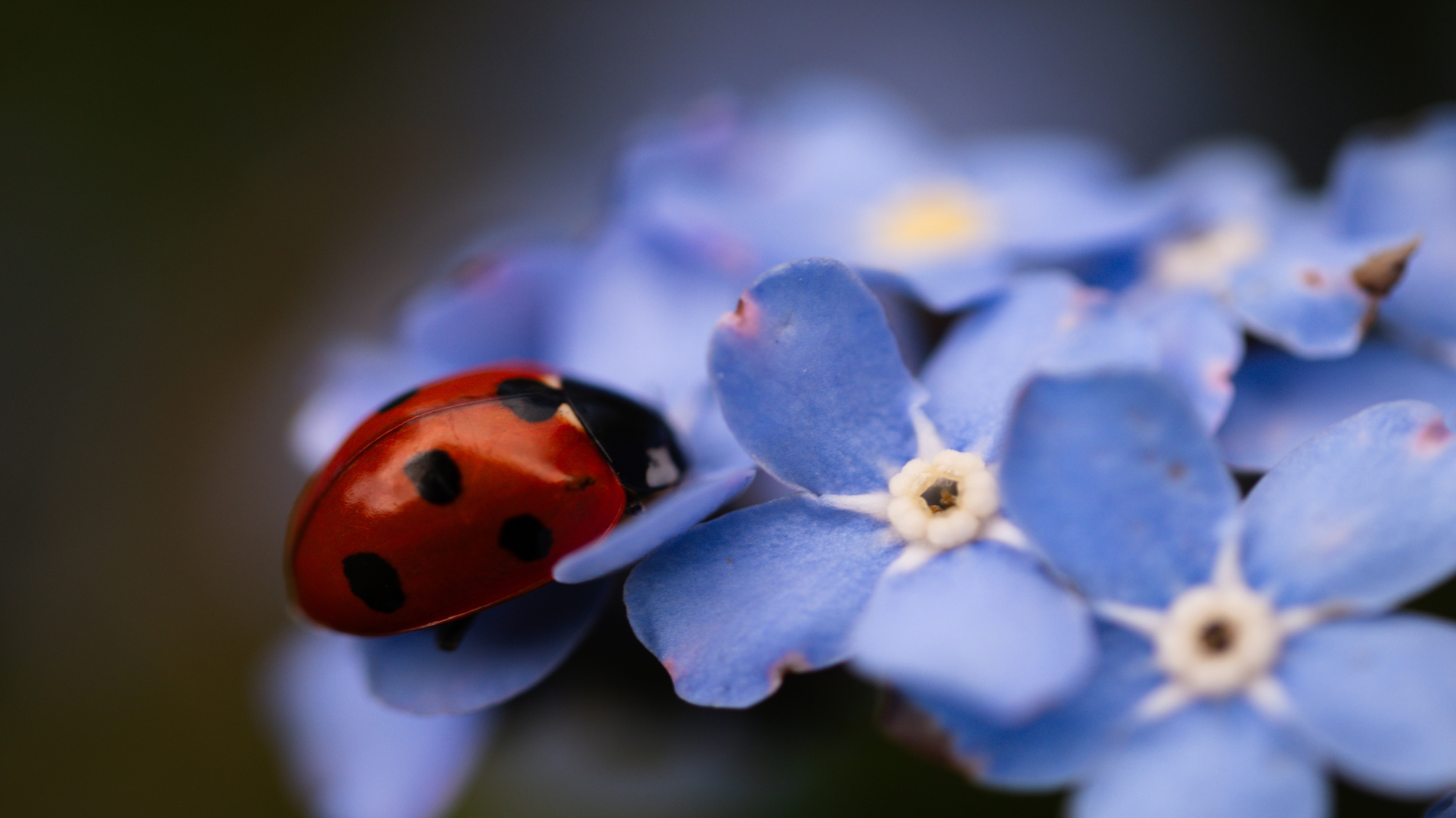
Invisible during winter but highly active in spring, the seven-spot ladybird (Coccinella septempunctata) is one of the most recognisable insects i n Europe and also one of the most useful. Behind its charming appearance lies an important and essential agent of natural biological control.

An insect of the order Coleoptera, widely distributed across Europe and common in Portugal, the seven-spot ladybird is frequently found in agricultural fields, gardens, meadows and forested areas.

It is characterised by a rounded body and a black head with two yellow spots on the sides. It also has a pair of red, yellow or orange wings with black spots, which are hardened (called elytra) and cover and protect the abdomen. Males have fine hairs on the last abdominal segment. With their barbed mandibles, they quickly dismantle their prey.
A four-act life cycle

The seven-spot ladybird has a complete sexual reproductive cycle, passing through four stages: egg, larva, pupa and adult. It is a highly fertile species, with a single female capable of laying hundreds of eggs during her lifetime.

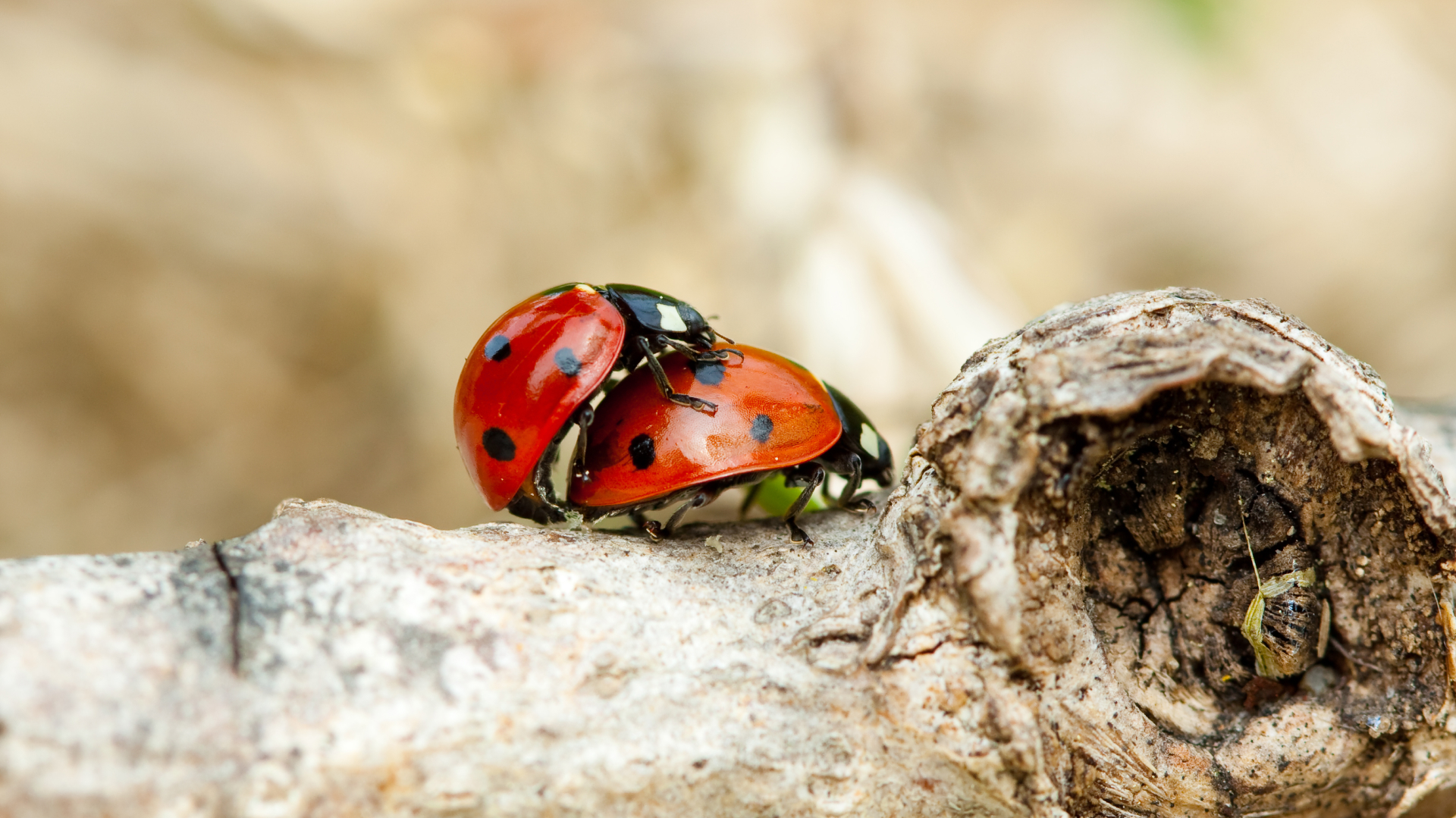
The breeding season begins in late spring, and mating occurs through copulation. Females release sexual pheromones to attract males and may mate with multiple partners, increasing egg viability and offspring success.

Between ten and fifty yellow eggs are laid per clutch, deposited in small groups on the underside of leaves, close to aphid colonies (their food source). After three to seven days, the eggs hatch.

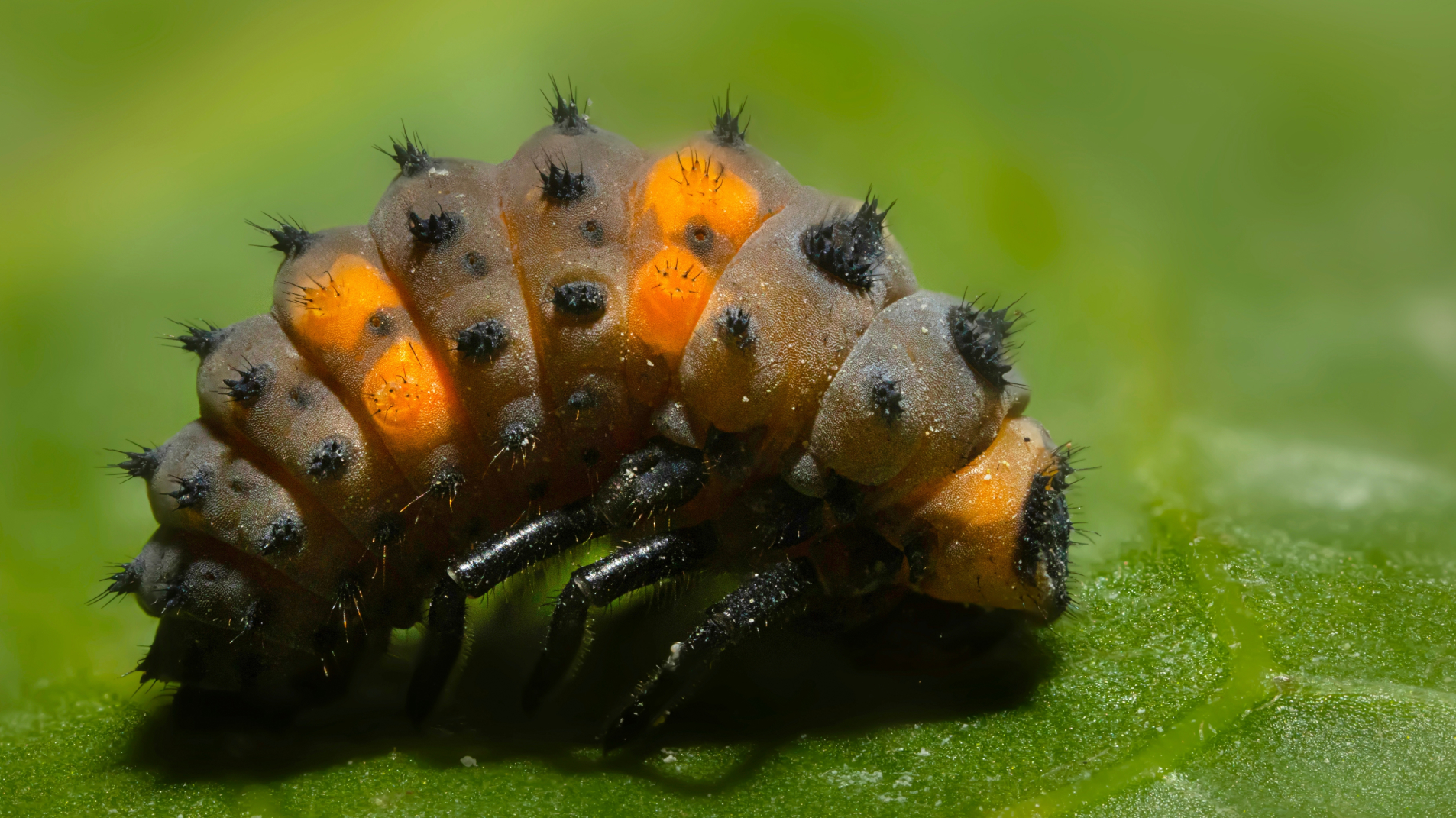
The newly hatched larvae are black or grey with some orange markings and are covered with tubercles. They are less than four millimetres long and go through four developmental stages (instars) over two to three weeks, becoming voracious predators.

At the end of this phase, the larva transforms into a pupa, attaching itself to a leaf or stem. This stage lasts between five and twelve days. As an adult, the ladybird emerges with pale colours that darken and harden within a few hours.

Spots and toxins that protect

There are several species of ladybirds, distinguished by the number of black spots on their wings. Coccinella septempunctata has seven, while its relative Coccinella undecimpunctata displays eleven. Their vibrant colours serve to deter predator attacks, but when this is not enough, they release a toxin through the joints of their legs.

With the onset of cold weather, they enter dormancy. They shelter under tree bark, among dry leaves or in crevices that offer protection. Their metabolism slows down and movement almost ceases. They wait for rising temperatures and, when spring arrives, awaken for a new cycle of activity, reproduction and, above all, feeding.

A voracious predator and ally of ecosystems

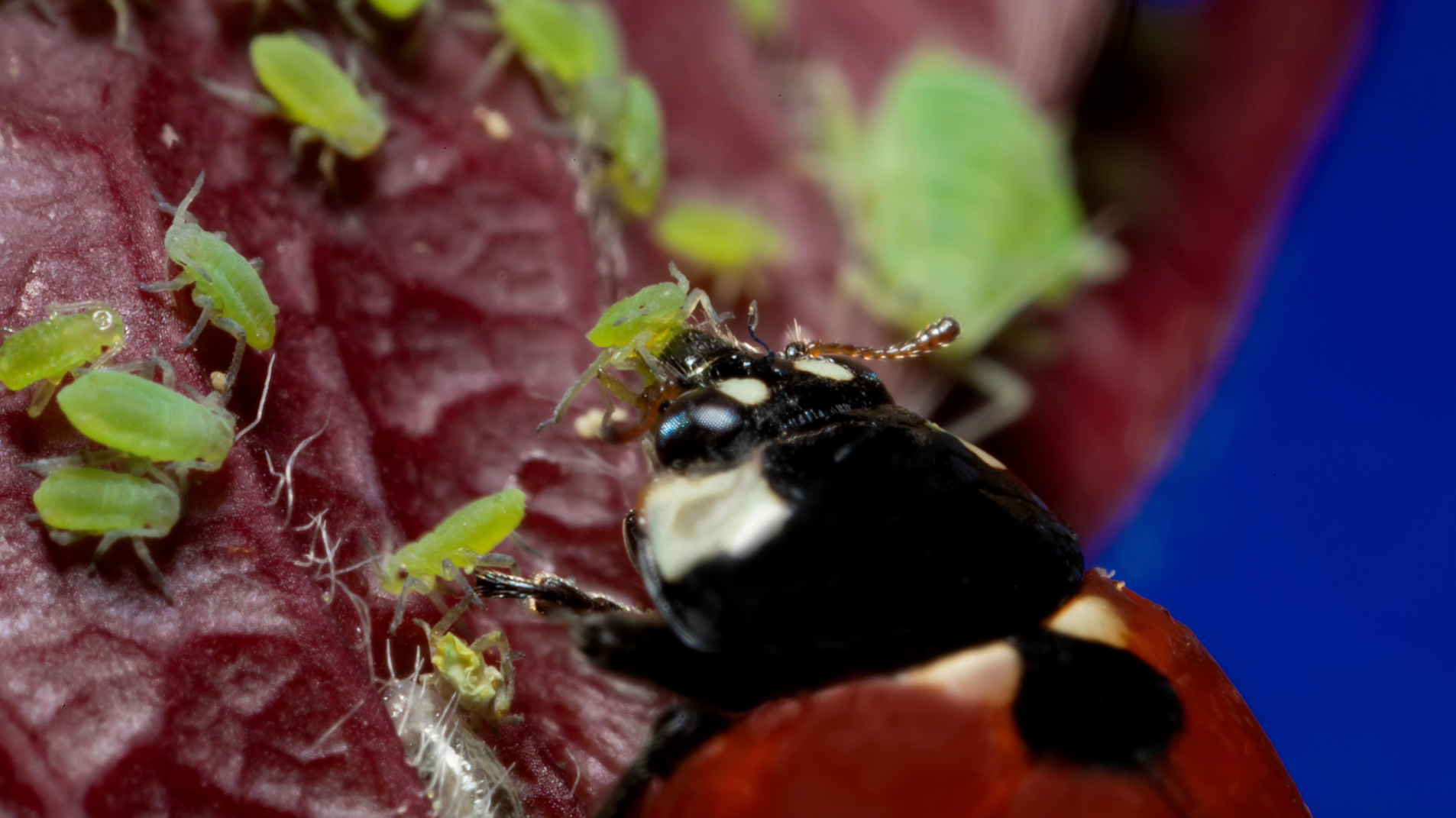
Their diet consists mainly of aphids, small sap-sucking insects that can cause significant damage to agricultural, horticultural and forest plants. However, they also feed on fruit flies, leaf lice and other insects associated with pests. A single individual can consume dozens of aphids per day. The larvae, though less “photogenic”, are equally voracious.

This behaviour translates into an essential ecosystem service: natural biological control. By regulating pest populations, ladybirds help reduce the need for chemical pesticides and contribute to maintaining balance among species.

As João Ezequiel, forestry engineer at The Navigator Company and mentor of the Biodiversity project, highlights, biological control is also one of the strategies applied in the management of forest pests and diseases on the company’s properties. Working with natural mechanisms—rather than against them—is often the smartest and most sustainable solution.

The presence of ladybirds in a given area is often interpreted as an indicator of environmental health. Where there is a diversity of predatory insects, there are active food chains, thriving plants and functional balance, with a lower likelihood of uncontrolled population outbreaks.

The seven-spot ladybird reminds us that biodiversity is not just about species diversity—it is about networks, function and regulation. Small in size, giant in its structural role.

Did you know that…

  • A single ladybird can devour up to 5,000 aphids over its lifetime.
  • It is considered by many to be a symbol of luck, love, happiness, protection, harmony and balance.
  • During the colder months, ladybirds exhibit an aggregation phenomenon (induced by aggregation pheromones) that causes them to cluster in sheltered locations, where they hibernate. Those that do not enter this state migrate to warmer areas in search of refuge.
  • Ladybirds also contribute to the pollination of some plants, although on a smaller scale than bees or butterflies.
  • Seven-spot ladybird

    Coccinella septempunctata

  • Insects

  • Genus

    Coccinella

  • Family

    Coccinellidae

  • Habitat

    Occurs in herbaceous, shrub or tree vegetation rich in aphids or other homopteran pests.

  • Distribution

    Species native to Europe and Asia, distributed throughout mainland Portugal.

  • Conservation status

    N information available

  • Length

    Between 5.5 and 8 millimetres

  • Longevity

    Generally varies between 1 and 2 years in the adult stage, strongly depending on the ability to survive winter.

How to tend to this species?

The seven-spot ladybird is especially sensitive to the surrounding ecosystem. Avoiding the indiscriminate use of pesticides in gardens and vegetable plots, promoting plant diversity and preserving natural shelter areas are simple measures that support populations of natural predators such as ladybirds.

Temas: