Biohistories

Biohistory

Planted forests with local roots: the role of endemic biodiversity

The presence of endemic species in planted forests is far more than a conservation issue: it is an investment in ecosystem resilience and in the economic sustainability of the landscape.

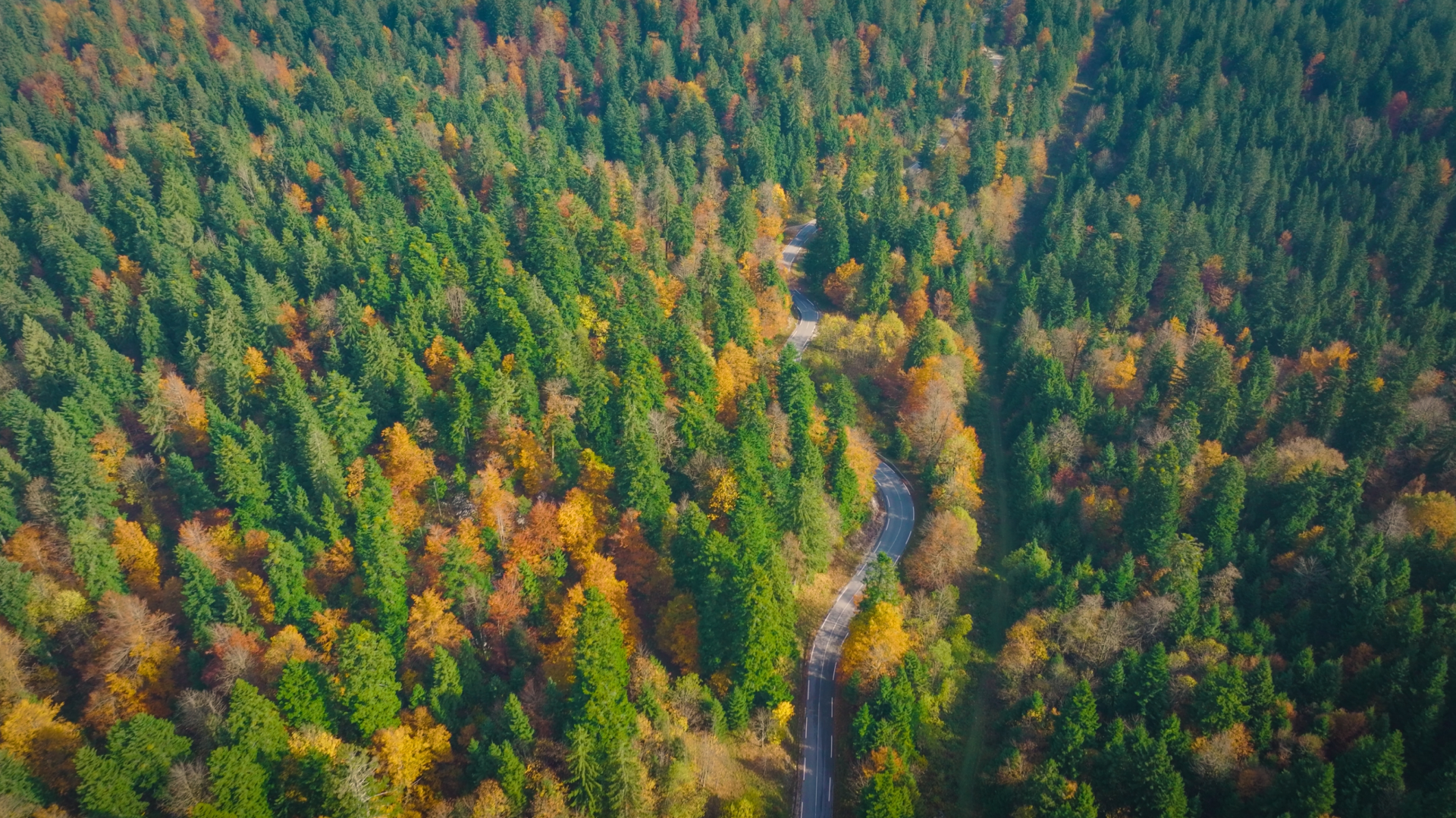
Planted forests occupy a significant portion of Portuguese territory and are essential for the production of timber, cork, resin and honey. However, when they are composed of only a few species, they become more vulnerable to pests, wildfires and extreme climatic events. Integrating endemic biodiversity — that is, native species that naturally occur only in a given region — is a key strategy for increasing both ecological and productive resilience.

Ecological resilience: a natural shield

Endemic diversity introduces genetic and structural variability, making it harder for pests and diseases to spread. In mixed forests, this diversity creates ecological and chemical barriers that break continuity. European studies confirm that species diversity significantly reduces the impact of harmful biotic agents.

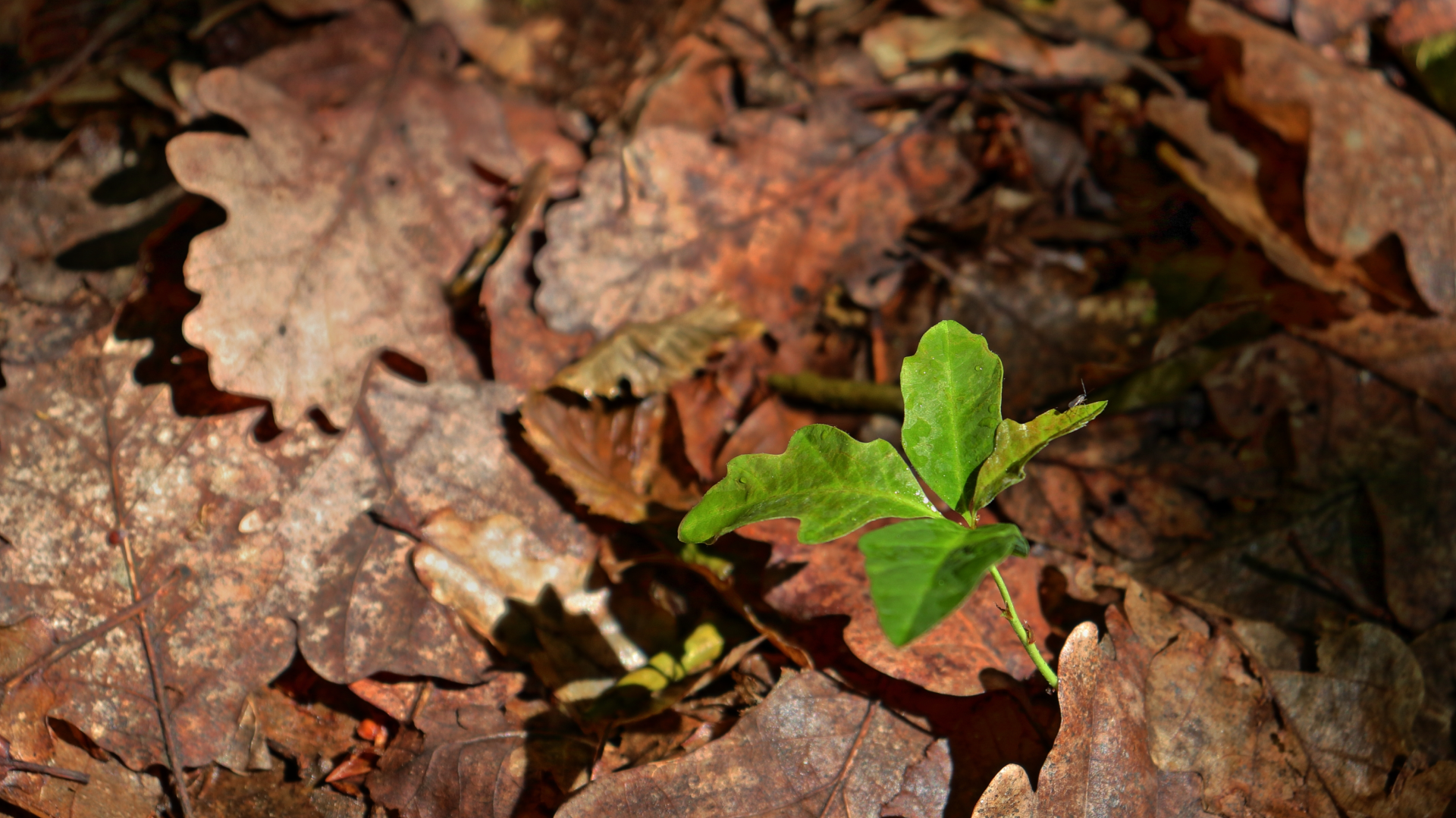
The presence of native species like the cork oak (Quercus suber) also strengthens resilience to fire: although flames may pass through these stands, trees often survive. Their thick cork bark and ability to resprout after fire allow for quicker and more stable forest recovery.

Faced with extreme weather events, endemic diversity spreads risk. Species with different tolerances to drought, heat or flooding help maintain vegetation cover. Meanwhile, biodiverse soils enriched by native microorganisms and mycorrhizal fungi retain water and nutrients more effectively, reinforcing ecological stability.

Life mosaics: pollinators and natural regeneration

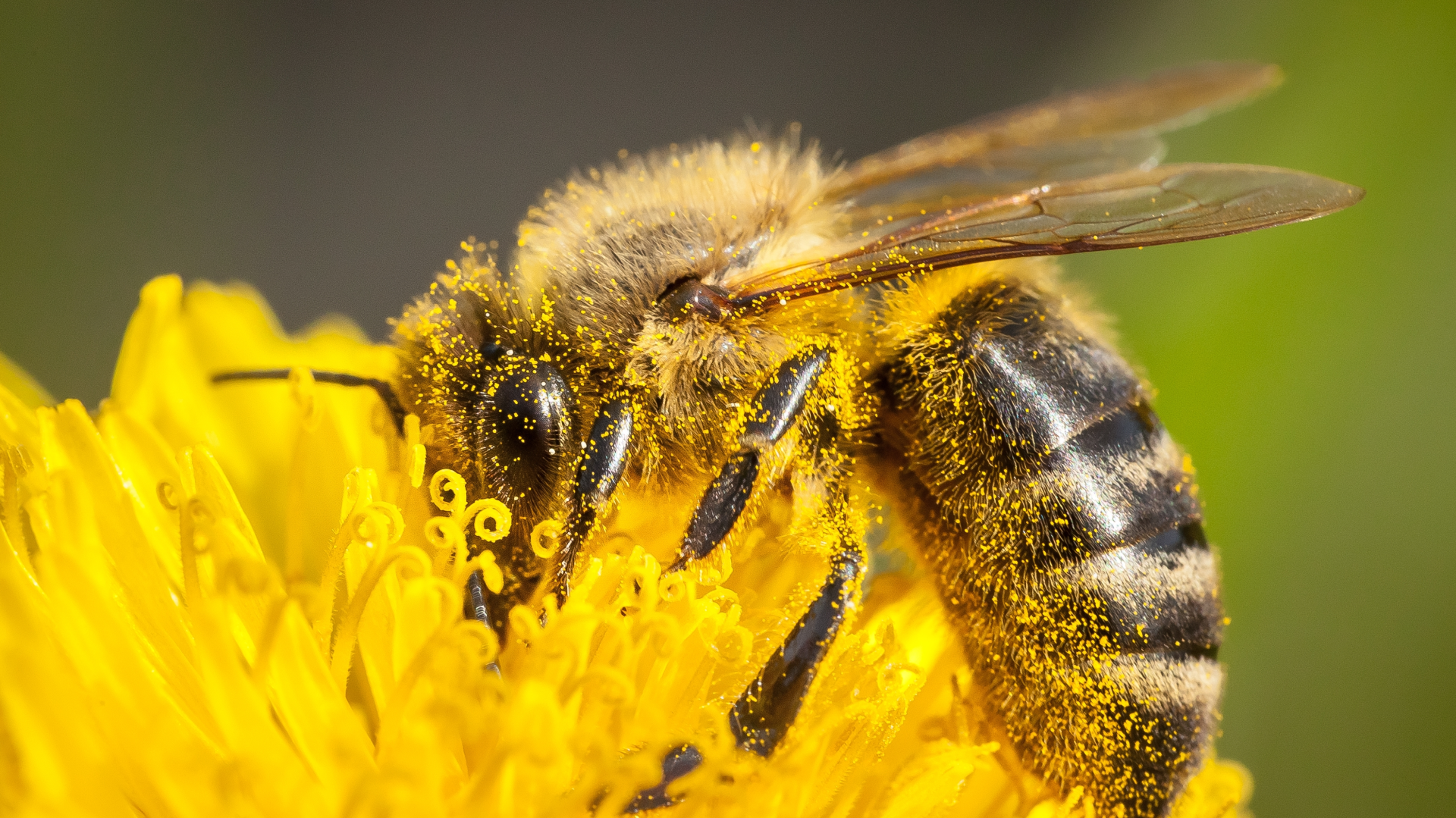
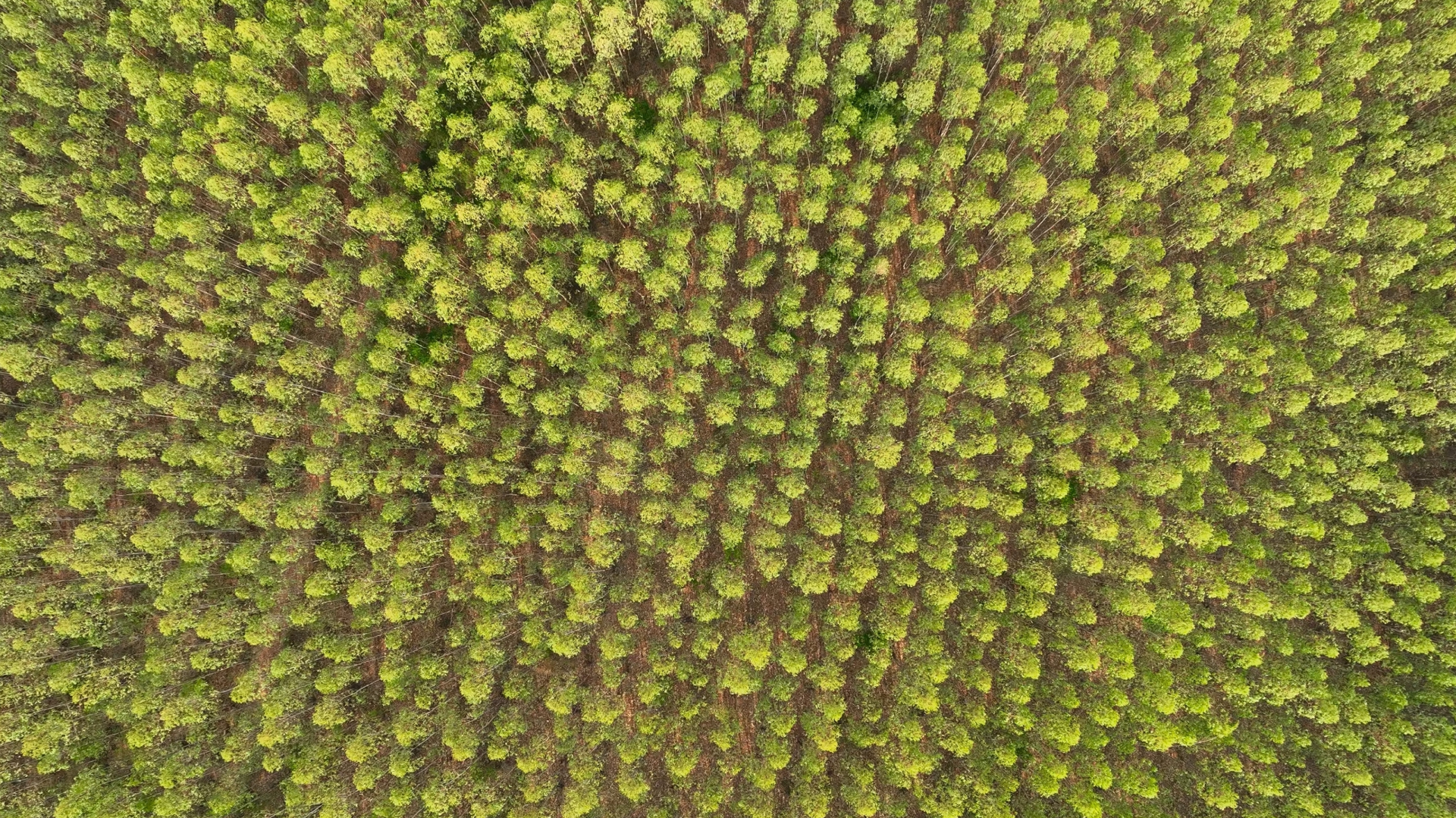
Endemic species, together with the broader floristic and faunistic diversity — including planted forests such as eucalyptus stands — contribute to ecological mosaics with varied heights, densities and microclimates that attract pollinators and seed dispersers. These organisms are essential for natural regeneration and for maintaining the genetic diversity of forests.

A study on Echium candicans, an endemic plant of Madeira, showed that these species support stable and specialised pollinator networks, enabling balanced reproductive cycles.

Birds, bats and seeddispersing insects also help naturally colonise clearings, increasing the heterogeneity and resilience of forest landscapes.

Production and ecosystem services hand in hand

Endemic biodiversity allows economic production and ecological conservation to coexist — even if not always in the same place or at the same time. Native species such as cork oak or holm oak produce cork and acorns while stabilising soil and improving microclimates. Melliferous plants in mixed forests extend flowering periods, supporting local beekeeping and generating highquality products.

These mixed systems also reduce the need for fertilisers and pesticides, strengthening the economic and environmental sustainability of forest production.

Experiences and best practices in Portugal: the case of The Navigator Company

In Portugal, the integration of endemic biodiversity into planted forests has gained momentum through responsible management and ecological restoration projects. The Navigator Company is a leading example, demonstrating that productivity, conservation and applied science can go hand in hand.

The company has signed act4nature Portugal, an initiative of the Business Council for Sustainable Development (BCSD), committing to concrete actions to protect and promote biodiversity.

Across its forest areas, Navigator identifies and monitors hundreds of plant and animal species, including endemic and protected ones, and adjusts its operations to nesting seasons and periods of natural regeneration.

Viveiros Aliança, with an annual capacity of around 12 million plants, produces not only eucalyptus but also native trees and shrubs for reforestation and ecological restoration, both on company lands and in partnership projects.

Among its flagship initiatives is Zambujo reCover, in IdanhaaNova, near the Tejo Internacional Natural Park, involving the restoration of 110 hectares with native species adapted to local soils and climate.

In the Serra da Malcata, Navigator is restoring 205 hectares by reducing the density of conifers and promoting natural regeneration of native species, following ICNF guidelines in Natura 2000 areas.

Endemic biodiversity is a strategic asset of Portuguese forests. By integrating local species into plantations, forests become more resilient to pests, wildfires and climate change, recover more effectively, and balance ecological and economic values.

Projects like those of The Navigator Company show that sustainable forestry is possible when production and biodiversity move forward together, transforming planted forests into living, resilient and longlasting ecosystems.

Did you know that…

  • Forests with more species are more resilient and recover better from pests and wildfires. Studies show that plantations with higher species diversity suffer fewer pestrelated losses and recover more quickly from fire due to the variety of physiological and chemical responses among plants.

Temas: