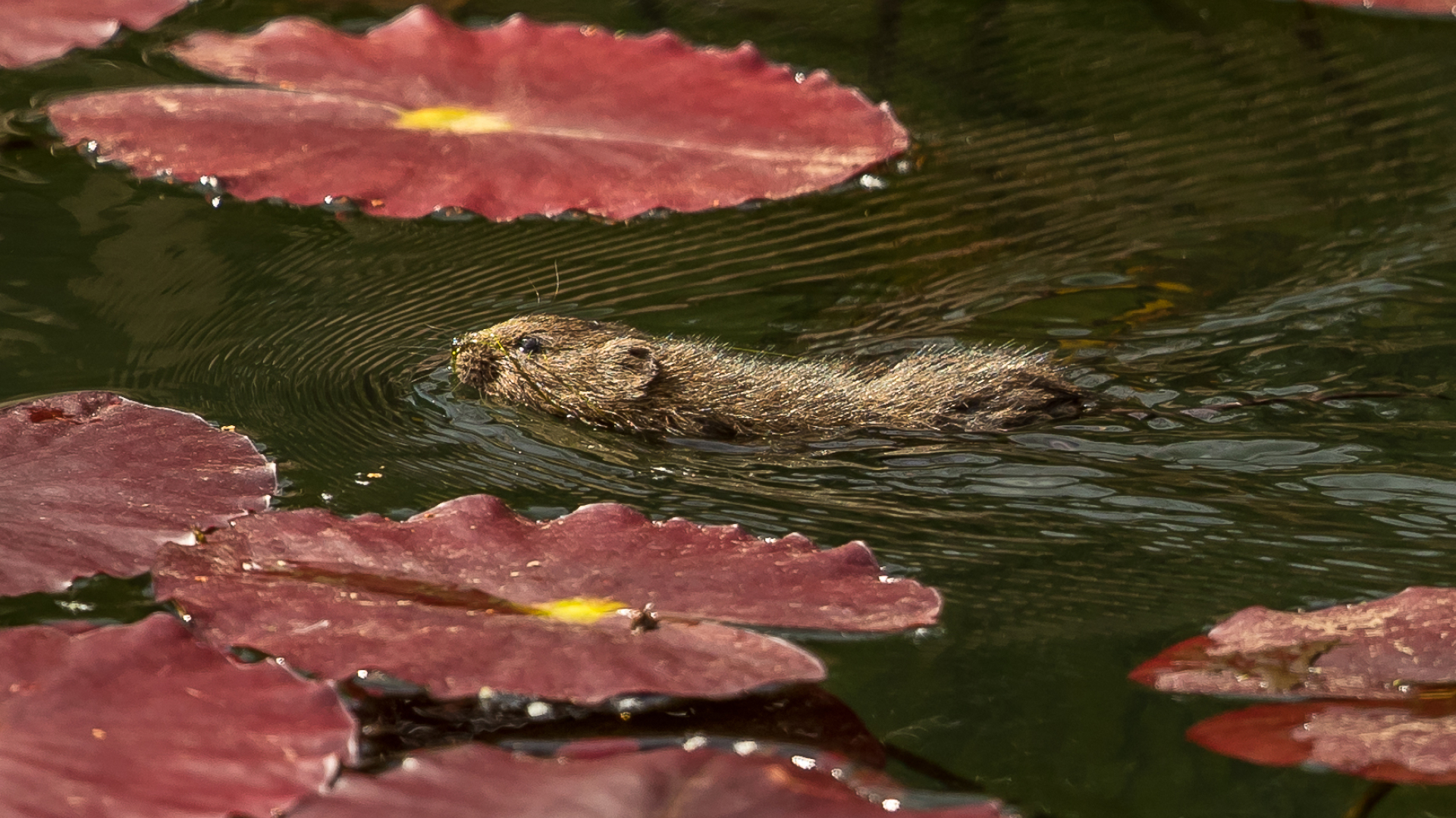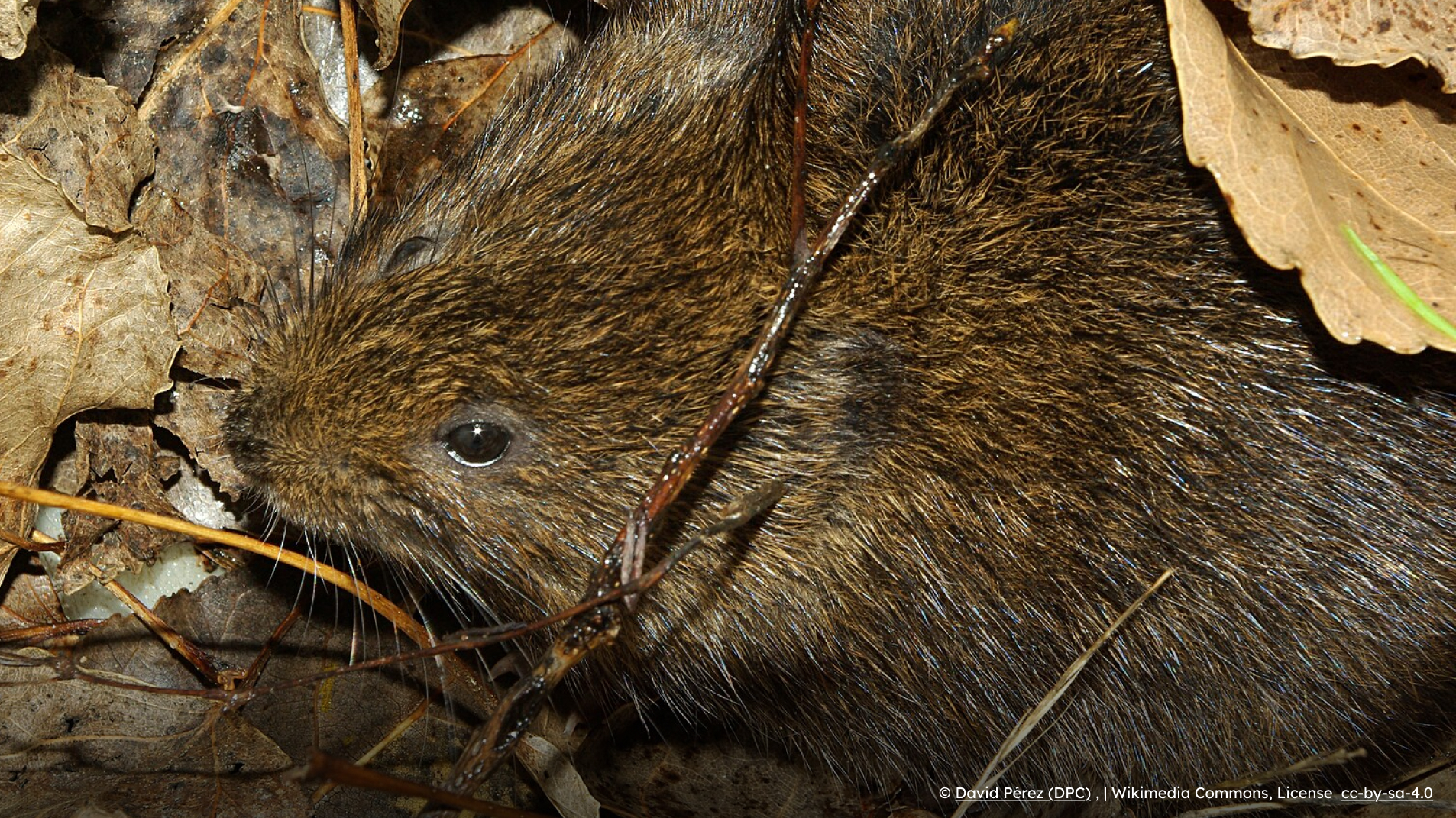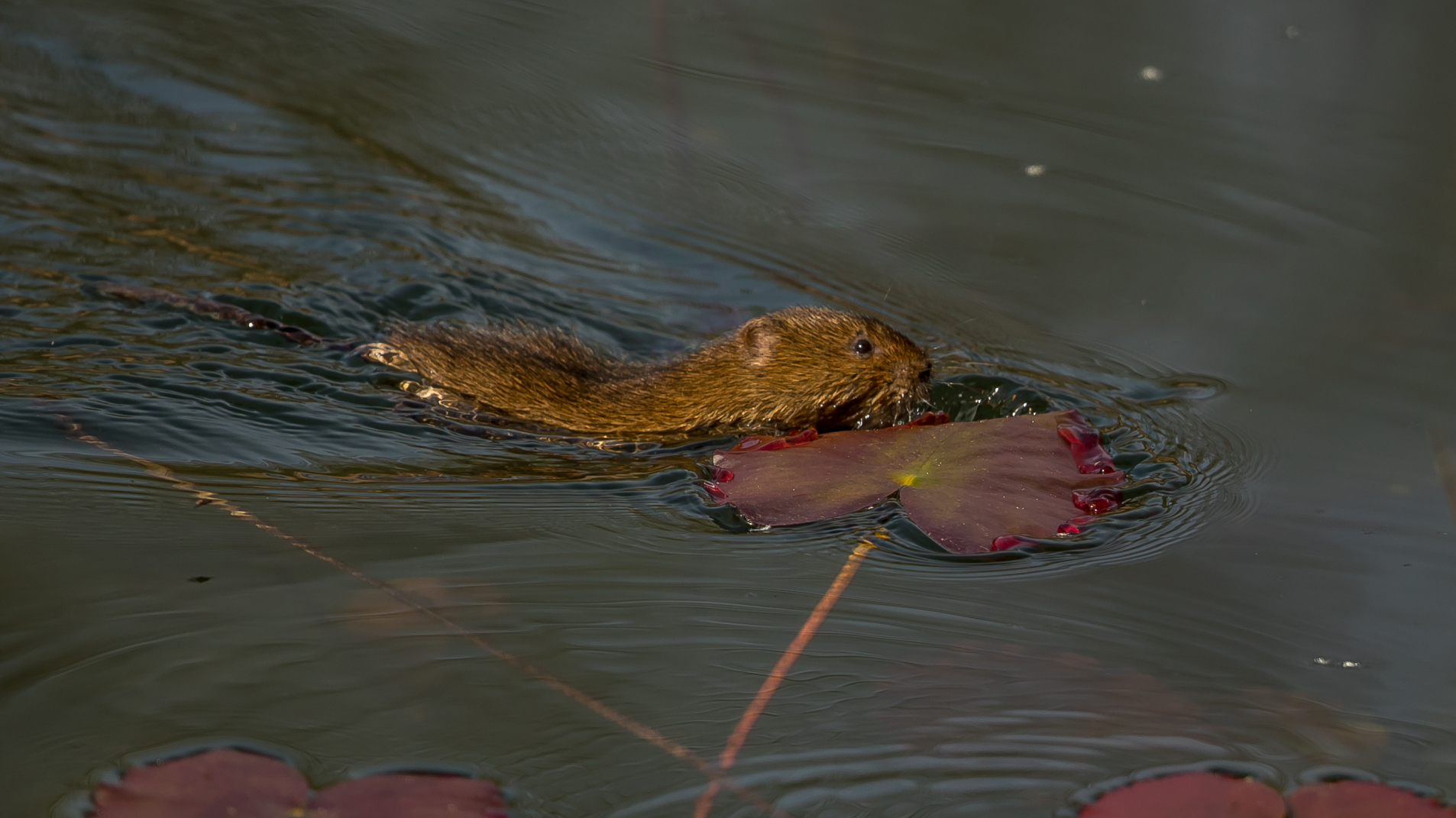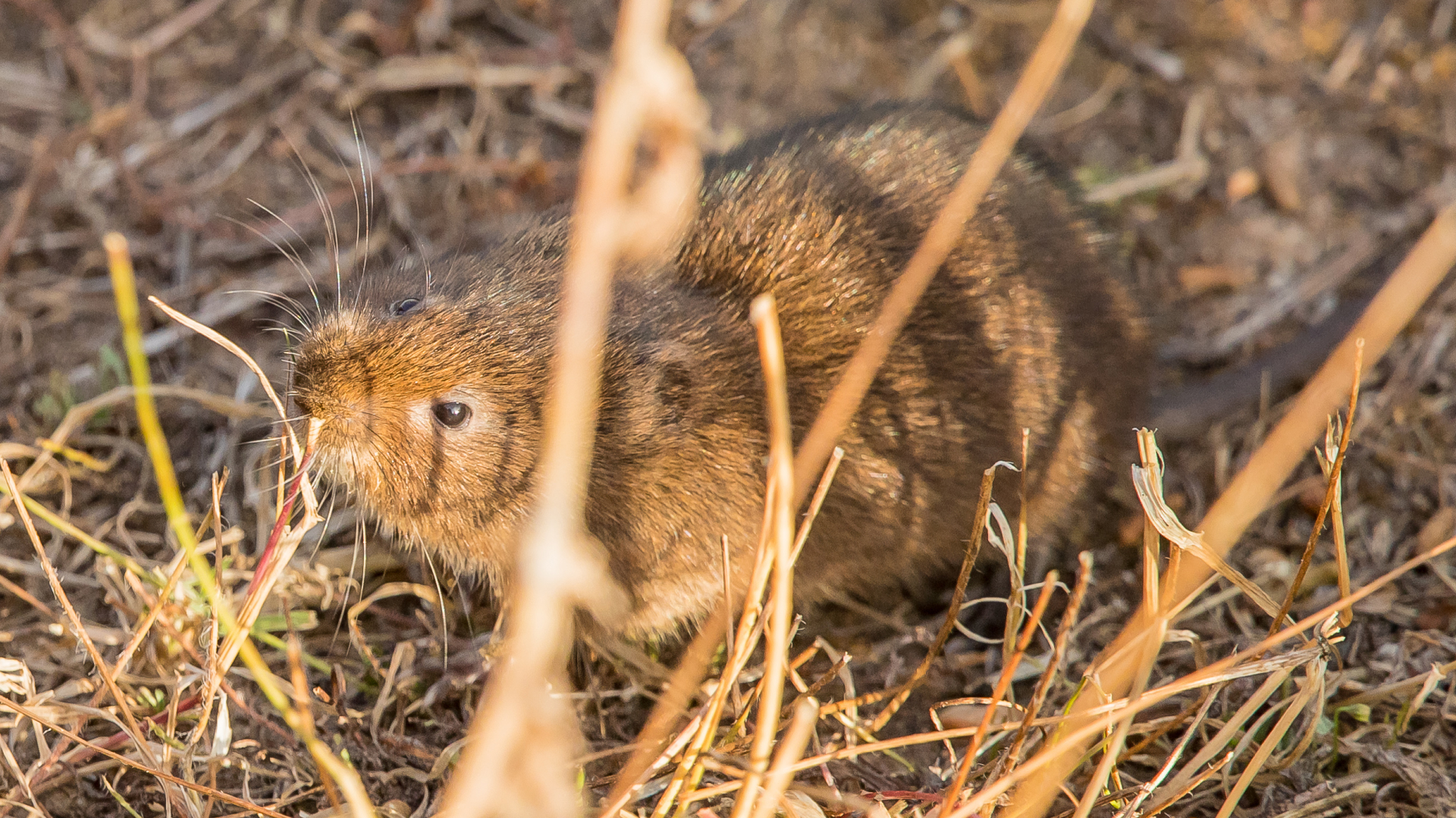


Almost invisible to those who pass by, the southern water vole (Arvicola sapidus) is one of the most important indicators of freshwater ecosystem health in Portugal. Adapted to a semiaquatic lifestyle, this small mammal reminds us that protecting biodiversity often begins in the quietest places.
The water vole is a discreet rodent, yet it plays essential roles along the banks of rivers, streams, ponds and irrigation channels. Its presence shapes vegetation structure, contributes to the creation of microhabitats and plays a significant part in the food web, serving as prey for otters and birds of prey.
Endemic to the Iberian Peninsula and southern France, the species is known for its ability to adapt to a wide range of wet habitats, from low coastal areas to high mountain regions. In Portugal, it is mostly found along permanent or semi‑permanent watercourses — from ponds and agricultural ditches to streams and floodplains. Its presence supports the ecological mosaic of river margins: by feeding on hydrophilic and herbaceous plants, it helps regulate dominant vegetation and promote structural diversity.