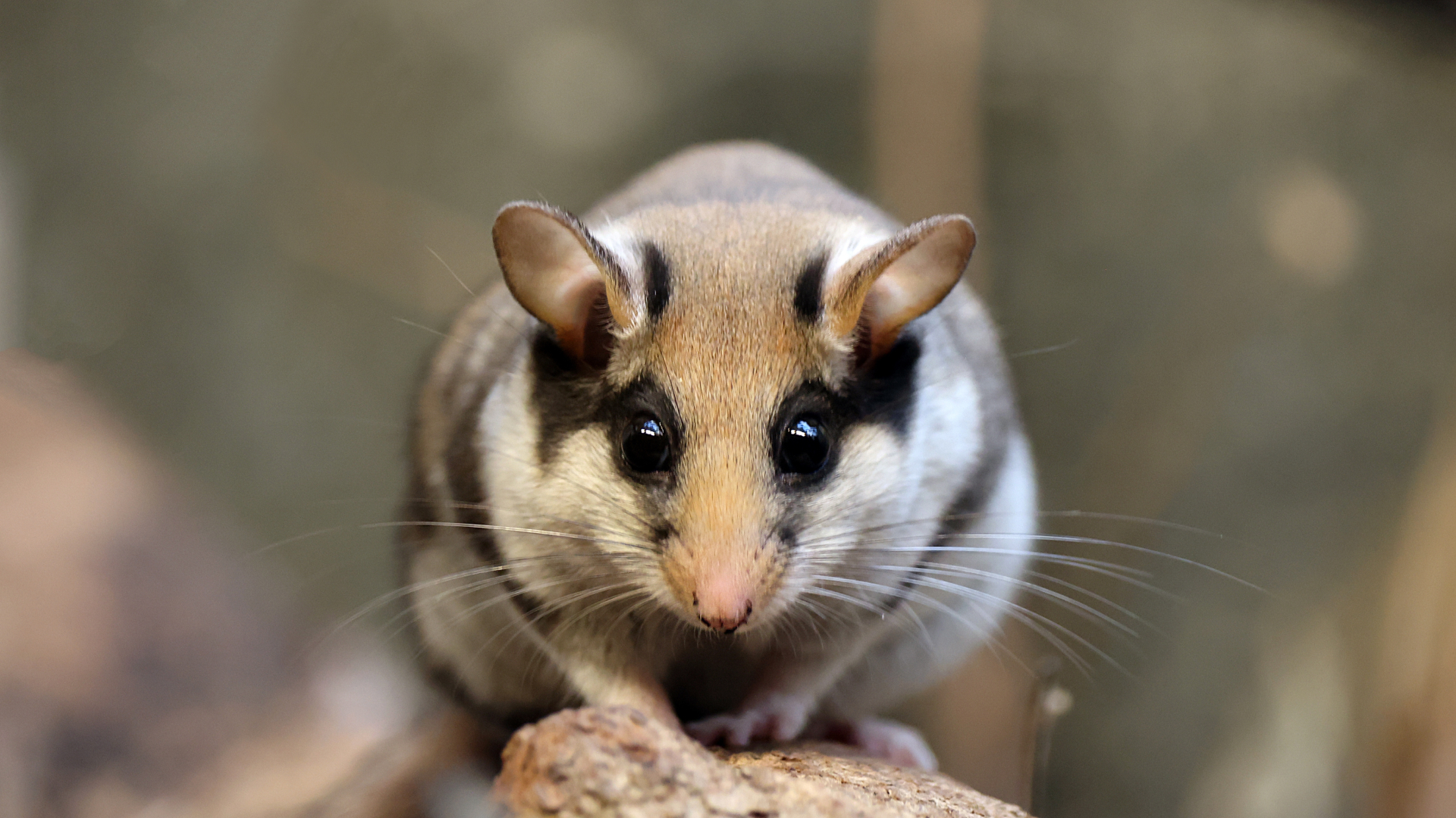


Known variously as the garden dormouse, orchard dormouse, or masked dormouse, Eliomys quercinus goes by many names.
Imprima ou partilhe nas suas redes sociais:
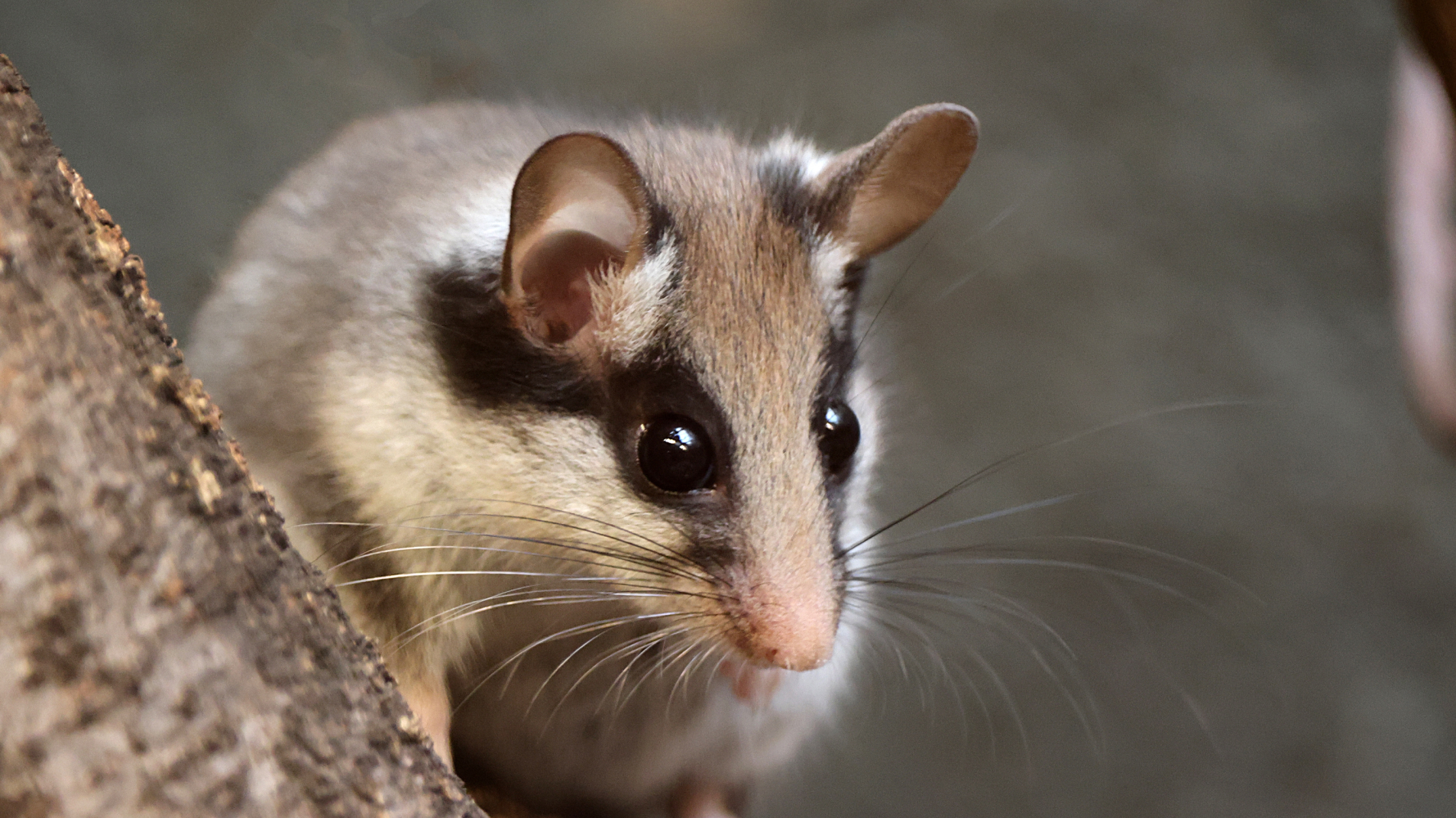
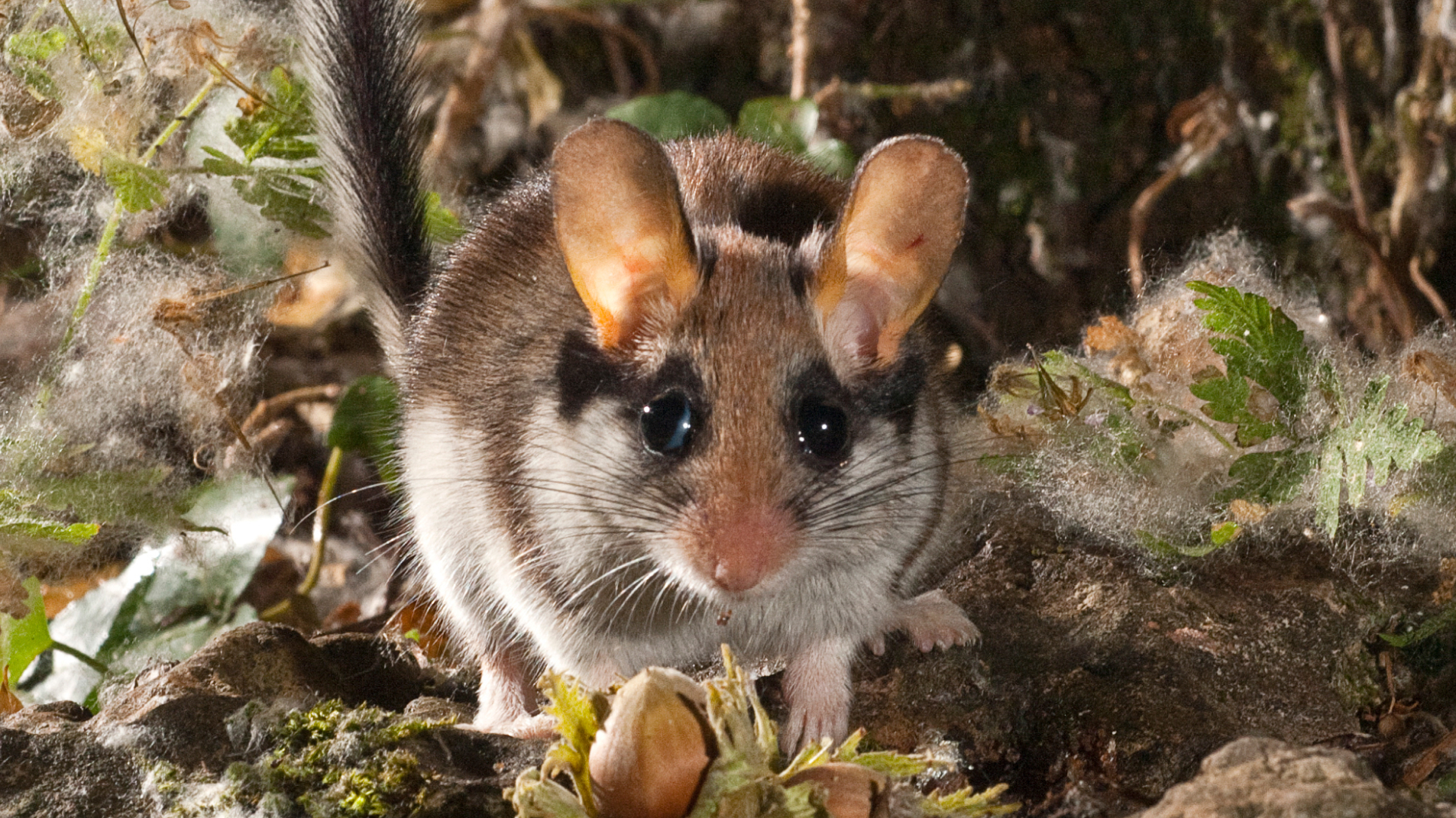
This small and elusive rodent, belonging to the family Gliridae, is the only representative of that family in Portugal. Considered one of Europe’s most charismatic mammals, it is easily recognised by its distinctive black “Zorro-style” mask, which extends from the eyes to the ears, as well as by its long tail, tipped with a characteristic tuft of white fur.
Its body typically measures between 10 and 17 centimetres in length, with an additional tail measuring around 8 to 14 centimetres. It has a greyish-brown coat on the upper parts and white fur on the underside, along with large black eyes and relatively large, rounded ears.
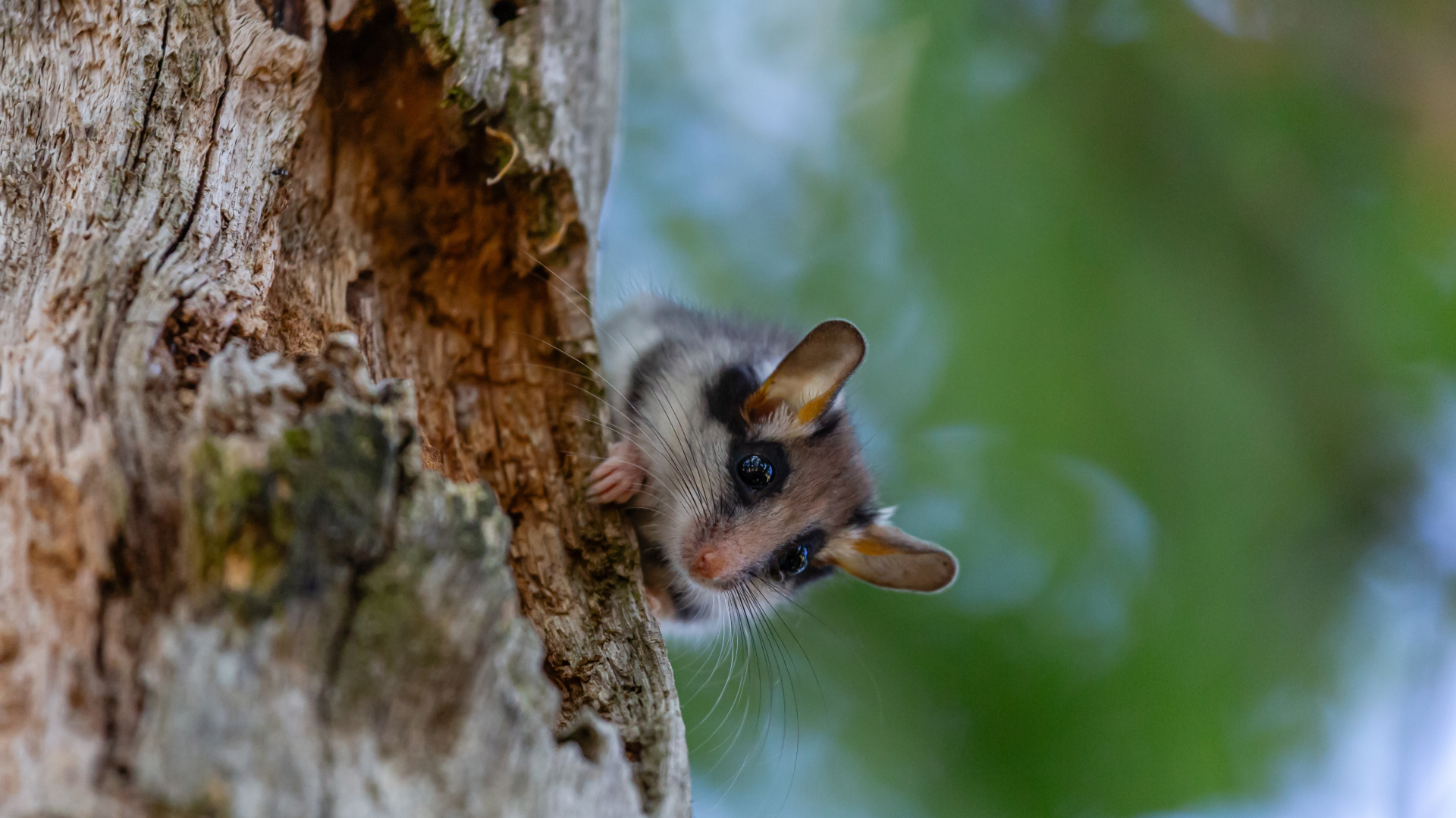
Predominantly nocturnal in its habits, the orchard dormouse spends much of the day sheltering in tree cavities, rock crevices, or even abandoned nests, becoming active at dusk. Thanks to its sharp claws and excellent sense of balance, it is an outstanding climber and generally exhibits solitary behaviour, except during the breeding season.
At the table, an opportunistic feeder with a varied diet
Although it is a , the masked dormouse is a true opportunistic feeder. Its diet is highly varied and may include fruits, seeds, berries, and flowers, as well as insects and other small invertebrates. Occasionally, when food is scarce, it may even consume birds’ eggs or nestlings. This animal component of its diet makes it more carnivorous than many other rodents. Breeding generally takes place between spring and summer.
After a gestation period of approximately three weeks, females typically give birth to between two and seven young. The offspring are born blind and hairless but become independent after just a few weeks. During the colder months, when food is less readily available, it may enter hibernation for several months as a survival strategy, dramatically reducing its heart rate and body temperature.
It is therefore a generalist species, capable of occupying a wide variety of habitats, from rocky areas with sparse vegetation to pine forests, cork oak woodlands, oak forests, and Mediterranean scrublands. It can also be found in human-modified environments such as rural buildings, vegetable gardens, gardens, and orchards, a characteristic that has inspired some of its common names.
An enigma with a limited presence in Portugal’s fauna
Distributed mainly across Western and Central Europe, the garden dormouse has a highly discontinuous and fragmented distribution in mainland Portugal. Recorded populations are concentrated in the Centre and North of the country, the interior of the Baixo Alentejo region, eastern Algarve, and protected areas such as Peneda-Gerês National Park, São Mamede Natural Park, and the Guadiana Valley Natural Park. Its limited presence in Portuguese territory suggests the existence of small, isolated populations, such as the one recorded in the Mértola region.
Although classified in Portugal as a species of Least Concern (LC), Eliomys quercinus has experienced declines in several parts of Europe. Habitat loss and fragmentation, together with climate change, are among the main threats to its conservation, making population monitoring particularly important.
Small, elusive, and with an appearance reminiscent of a cross between a mouse, a squirrel, and a raccoon, the garden dormouse remains one of the most mysterious mammals of Portugal’s fauna, revealing itself only to those fortunate enough to encounter it during the quiet hours of the night.
Did you know?
– The garden dormouse’s tail can serve as a defence mechanism. When seized by a predator, the skin of the tail may detach, helping the animal escape.
– Its scientific name, quercinus, derives from the Latin quercus (oak), reflecting its historical association with forest habitats dominated by these trees.
How do we protect this species?
The protection of the garden dormouse (Eliomys quercinus) relies primarily on the preservation of its habitat and the adoption of sustainable forest management practices. As the species is declining across much of Europe, its conservation requires measures that promote coexistence and respect for ecological balance.
Key conservation actions include safeguarding its natural shelters by avoiding the destruction of stone walls, hedgerows, piles of branches, and old or hollow trees. These features are essential for nesting, as well as for resting during hibernation (winter) and aestivation (summer).
In areas managed by The Navigator Company, zones of conservation interest are identified and managed to maintain or enhance the habitats occupied by this species. This approach helps ensure the availability of resources for feeding, shelter, and breeding, while also functioning as ecological corridors that facilitate natural dispersal and genetic exchange between populations.
-
Garden dormouse
Eliomys quercinus
-
Animal
-
Genus
Eliomys
-
Family
Gliridae
-
Habitat
Occurs in a wide range of habitats, from rocky areas and scrubland to forests and cork oak woodlands, including human-modified environments such as orchards, vegetable gardens, and gardens. During the day, it shelters in tree cavities, rock crevices, or abandoned nests.
-
Distribution
It is distributed mainly across Western and Central Europe. In Portugal, its distribution is fragmented, with populations occurring in the north and centre of the country, the interior of Baixo Alentejo and the Algarve, including protected areas such as Peneda-Gerês National Park, São Mamede Natural Park, and the Guadiana Valley Natural Park.
-
Conservation Status
Near Threatened (NT) in Portugal.
-
Height / Length
Body length ranges from 10 to 17 centimetres, with an additional tail measuring approximately 8 to 14 centimetres.
-
Lifespan
On average, between 3 and 5 years
How do we protect the species?
The protection of the garden dormouse (Eliomys quercinus) relies primarily on the preservation of its habitat and the adoption of sustainable forest management practices. As the species is declining across much of Europe, its conservation requires measures that promote coexistence and respect for ecological balance.
Key conservation actions include safeguarding its natural shelters by avoiding the destruction of stone walls, hedgerows, piles of branches, and old or hollow trees. These features are essential for nesting, as well as for resting during hibernation (winter) and aestivation (summer).
In areas managed by The Navigator Company, zones of conservation interest are identified and managed to maintain or enhance the habitats occupied by this species. This approach helps ensure the availability of resources for feeding, shelter, and breeding, while also functioning as ecological corridors that facilitate natural dispersal and genetic exchange between populations.
