Biohistories

Biohistory

Eucalyptus: diversity, history, and unexpected relatives

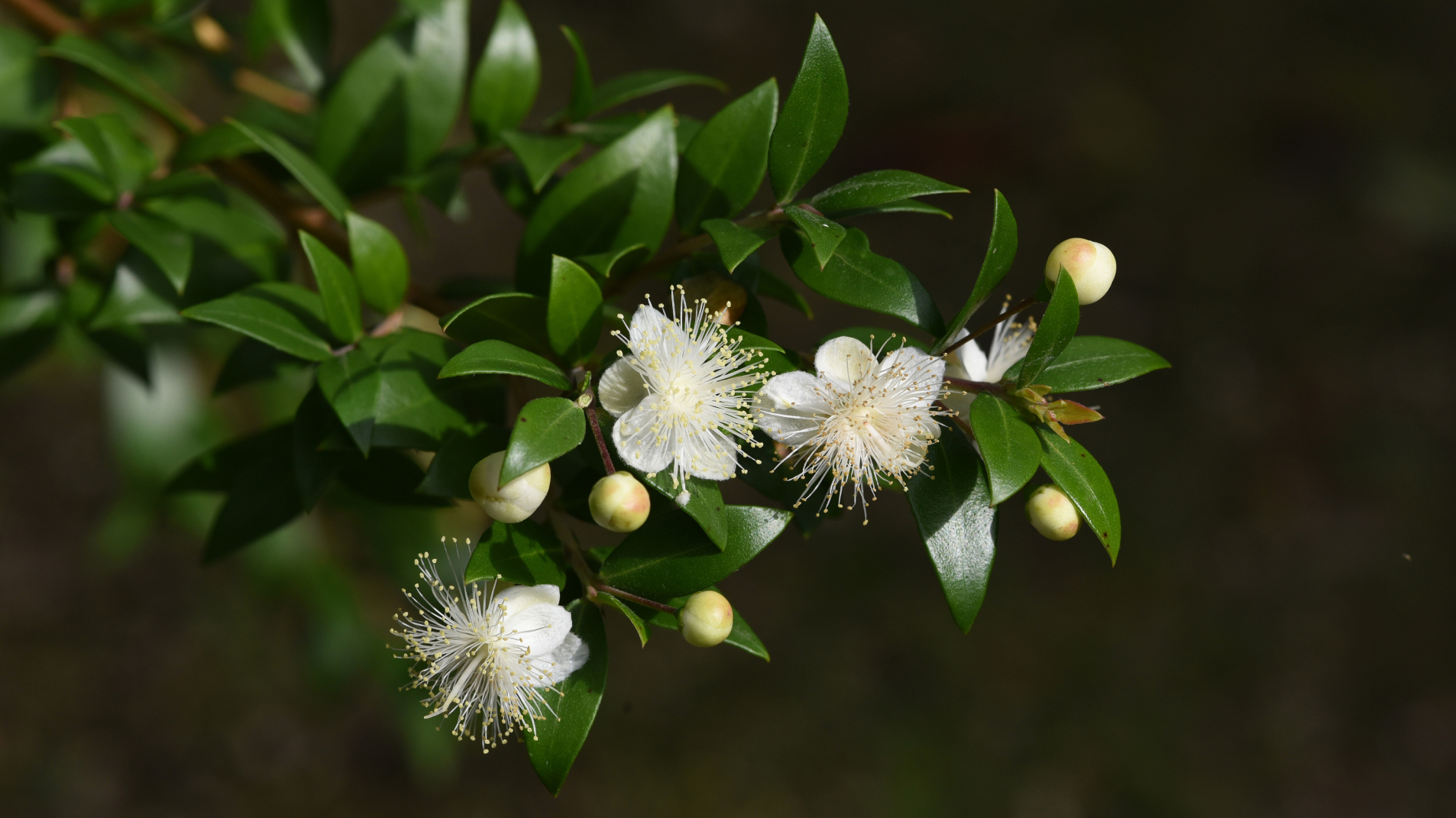
For decades, it was believed that the Eucalyptus genus was relatively “young”, at only 20 million years old. However, today it is known to be much “older”. Perhaps that is why it is part of the large Myrtaceae family, where it coexists, without ceremony, with cloves, pepper, and even guava. A true botanical family reunion.

There are about 800 identified eucalyptus species among the more than 5,000 plants belonging to the Myrtaceae, showing a remarkable diversity associated with Eucalyptus, a tree originating in Australia 20 million years ago. Or so it was thought.

It was the year 2011 when fossil remains were discovered in Patagonia dating back about 52 million years. Subsequently, a genome analysis revealed something even more impressive: the origin of the genus is, after all, estimated at 110 million years. Be that as it may, it is undeniable that more than 99% of eucalyptus species are in Australia, a country that allowed its evolution to the enormous diversity we know today.

The Eucalyptus genus was scientifically described by the French botanist Charles-Louis L’Héritier in 1788, but the first contact by European explorers would have happened much earlier. In reality, it was the Portuguese, in 1515, who first observed eucalyptus on their expeditions to Timor, in search of sandalwood (Santalum album), a wood with a high commercial value in those times. In fact, on the Island of Timor alone, for example, there are three species of eucalyptus: E. urophylla, E. orophila, and E. alba. It is also possible that the Portuguese took seeds of these species to other places, such as Brazil.

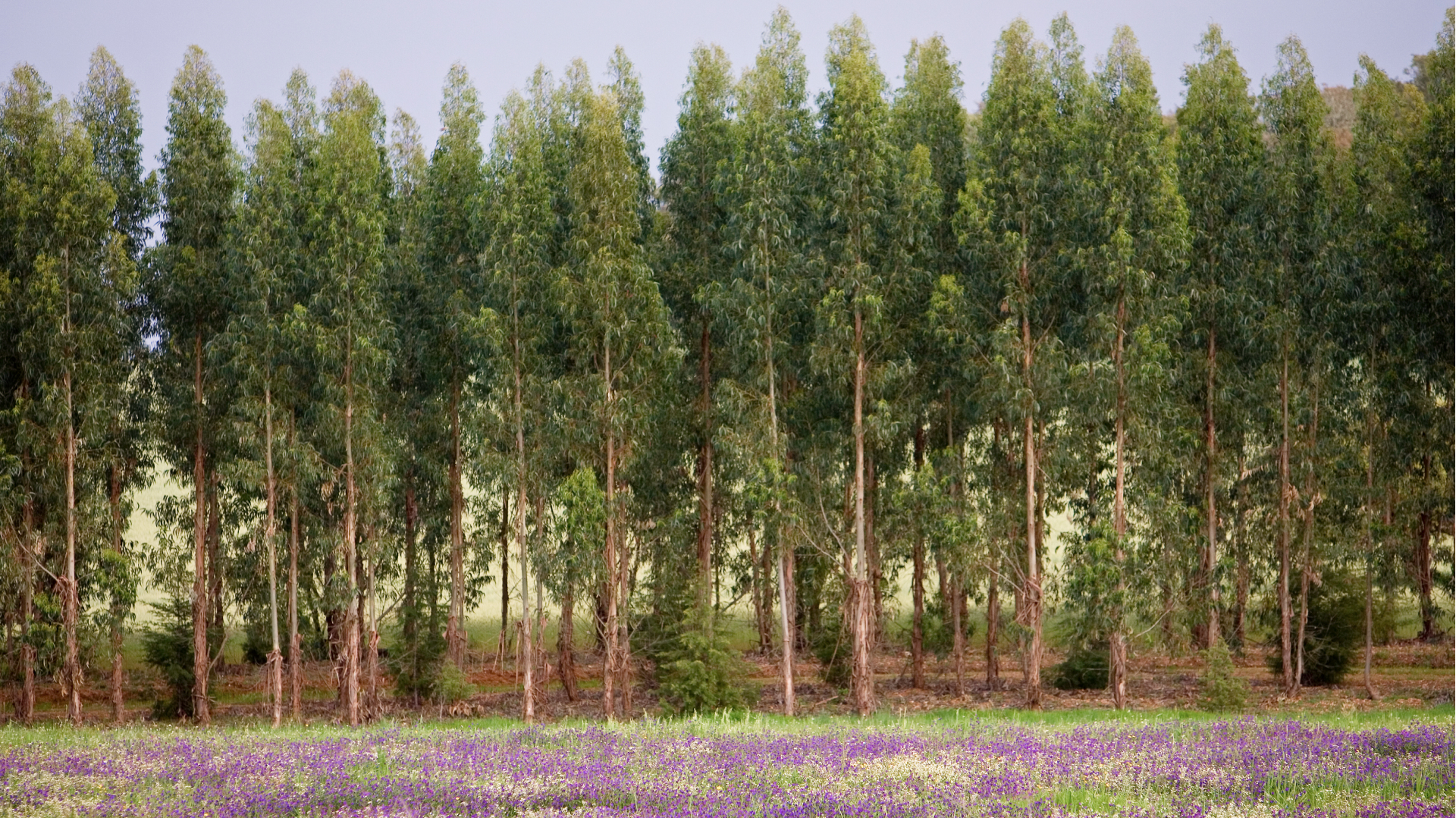
Historically, this tree only arrived in Portugal at the beginning of the 19th century and, currently, almost 200 years later, we can say that eucalyptus is quite common (and planted) in national territory, in particular Eucalyptus globulus which is the most common species, , as it finds excellent conditions to thrive: a mild climate and soils that, despite their low fertility and being shallow, allow its development.

According to the 6th National Forest Inventory (IFN6, 2019), in 2015 it represented 845 thousand hectares in Portugal, about a quarter of the national forest (26%), having a greater presence in the central coastal region (40.2% of the forest area). In addition to the also contributes to this expressiveness in the territory.
The Eucalyptus genus at Quinta de São Francisco

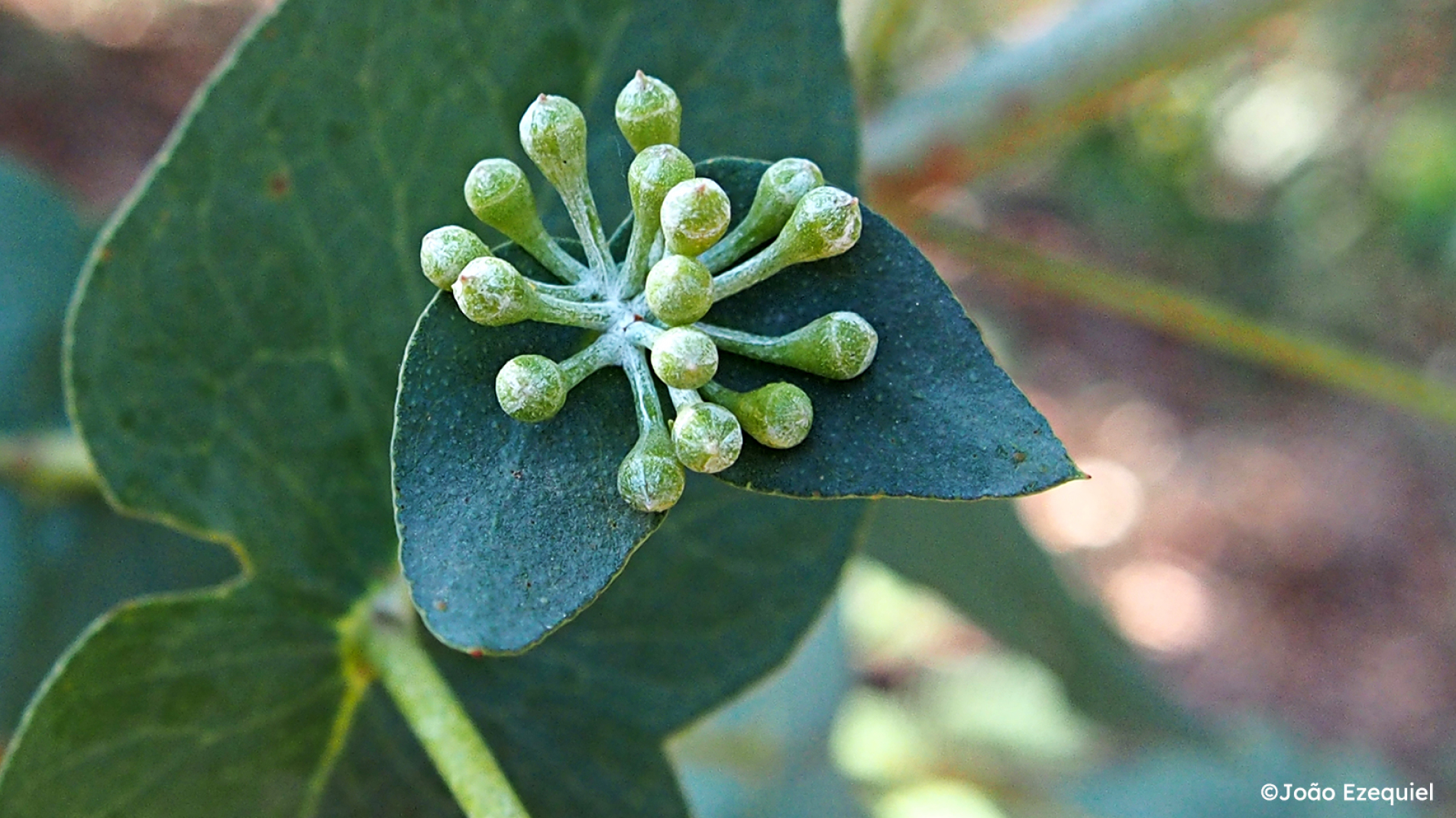
Located in the Aveiro area under the management of The Navigator Company, Quinta de São Francisco is a unique natural refuge in Portugal that hosts more than 450 flora species, including monumental trees and shrubs. Among the species coming from afar, the Eucalyptus genus is undoubtedly the best represented. With about 110 species, the arboretum of centennial eucalyptus at Quinta de São Francisco is considered one of the largest in Europe.

One of the rare species, which can only be found here in the entire European continent, is Eucalyptus risdonii, or Risdon peppermint, endemic to the island of Tasmania (Australia). Being considered Vulnerable (VU) by the IUCN Red List of Threatened Species, for over 120 years this species has found a place here to thrive safely. As the name indicates, the leaves smell like peppermint, being part of the aromatic section, which includes Eucalyptus amygdalina, Eucalyptus tenuiramis, Eucalyptus nitida, and Eucalyptus elata, all also present in this space

Another interesting species is Eucalyptus botryoides, which has centennial specimens of about 50 meters, which are among the tallest trees at Quinta de São Francisco and are most likely the largest specimens of their species in Portugal.

Did you know…

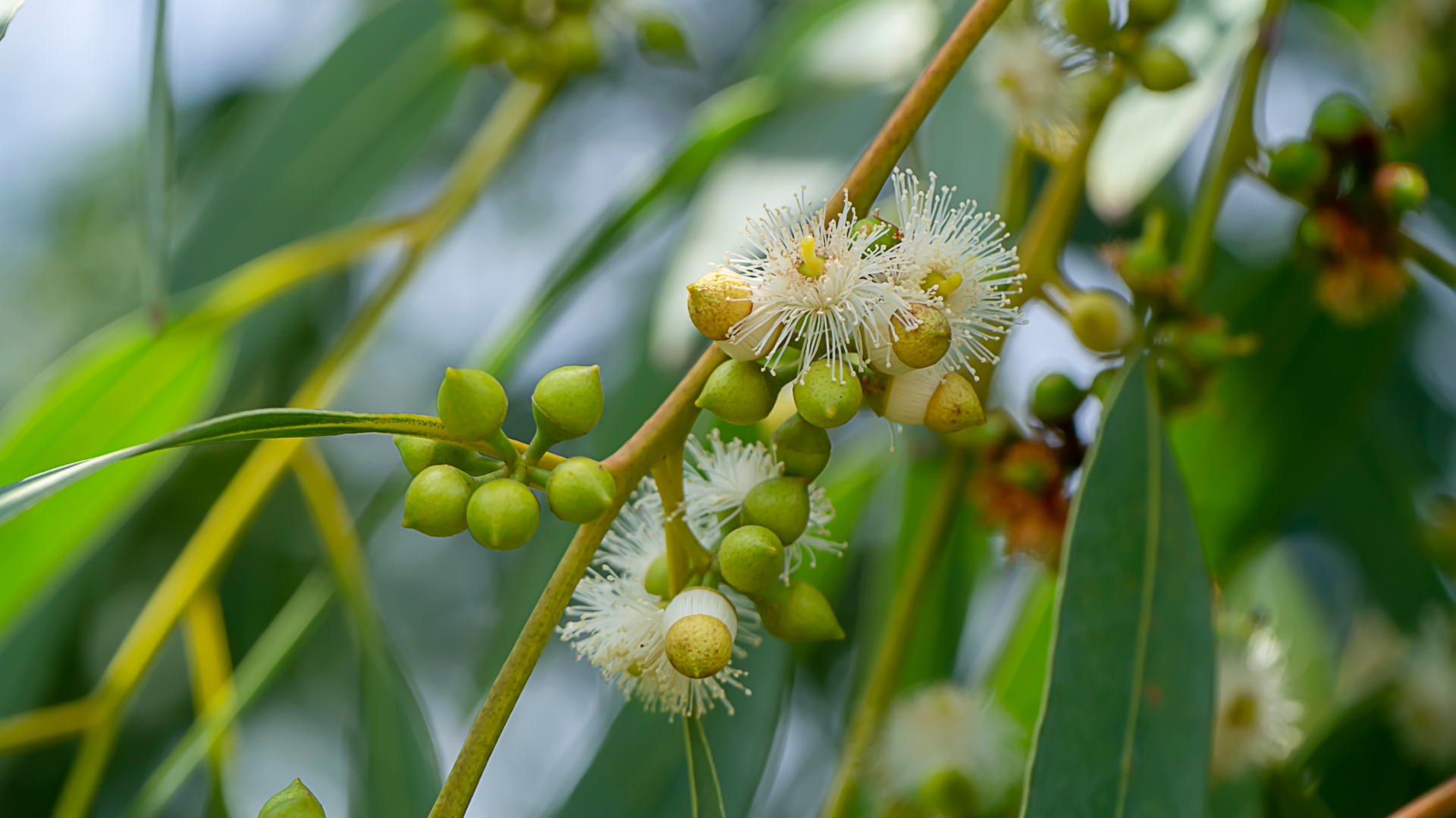
  • The word eucalyptus derives from the Latin Eucalyptus, which in turn uses two Greek words (Eu + calyptus) meaning “well covered” or “well hidden”. This is an allusion to the floral bud of eucalyptus – called the operculum – which protects the remaining parts of the flower.
  • The most planted eucalyptus species in Portugal (E. globulus subsp. globulus) was discovered in Tasmania in 1792 and scientifically described in 1800 by the French naturalist Jacques Labillardière, besides being one of the first to be spread outside Australia.
  • Portuguese discoverers were the first Europeans to find eucalyptus. It was in 1515, in Timor, where they called the species E. urophylla and E. alba “palavão-preto” and “palavão-branco”, respectively.
  • About 250 species and varieties of eucalyptus were introduced in Portugal, some of which can only be observed in botanical gardens and forest arboretums, such as the one at Quinta de São Francisco.

Some unlikely Myrtaceae species

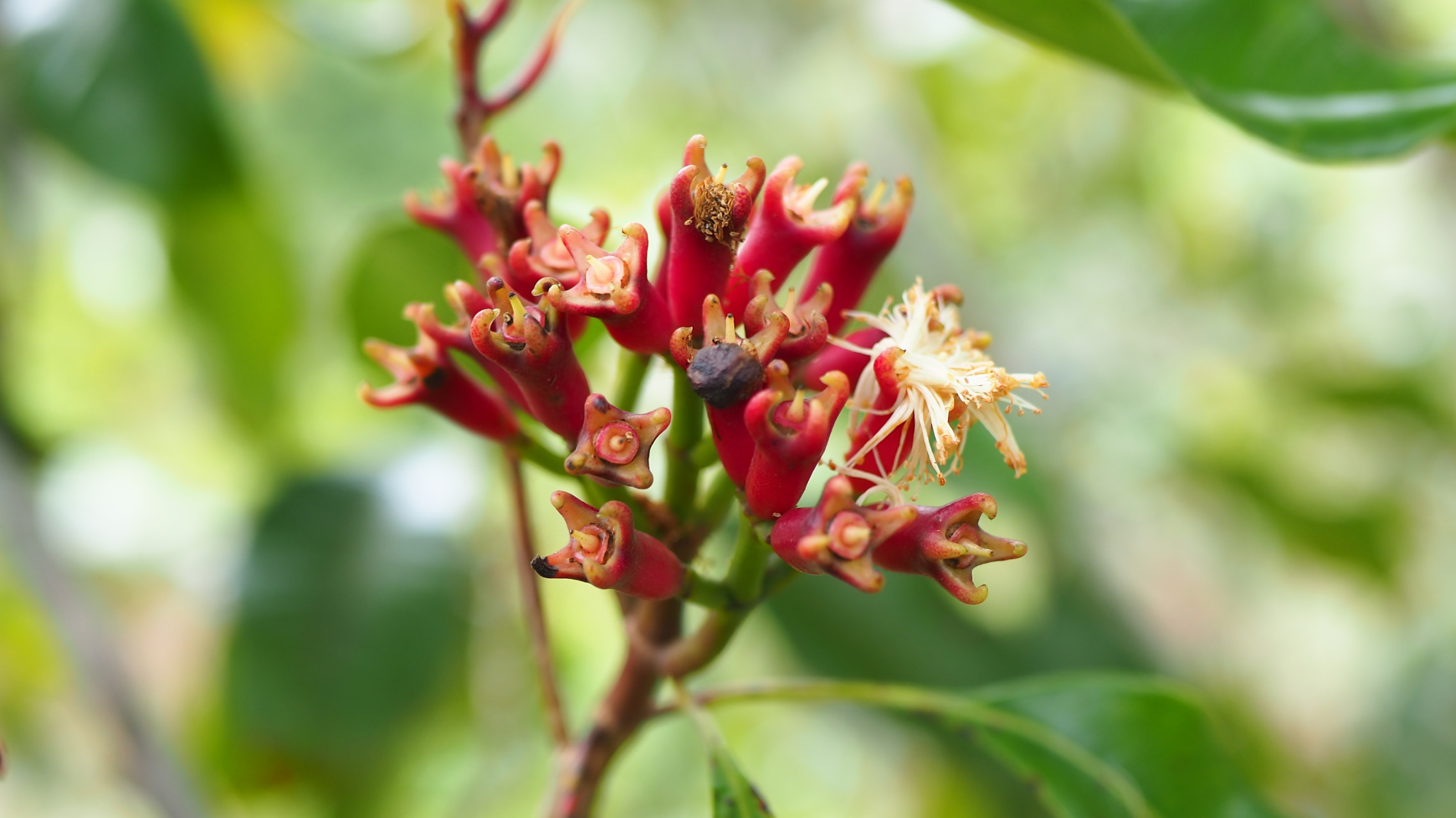
Native to the Maluku Islands and New Guinea, and cultivated in several other regions of the world, the clove (Syzygium aromaticum) is an evergreen tree whose flowering season occurs between May and June.

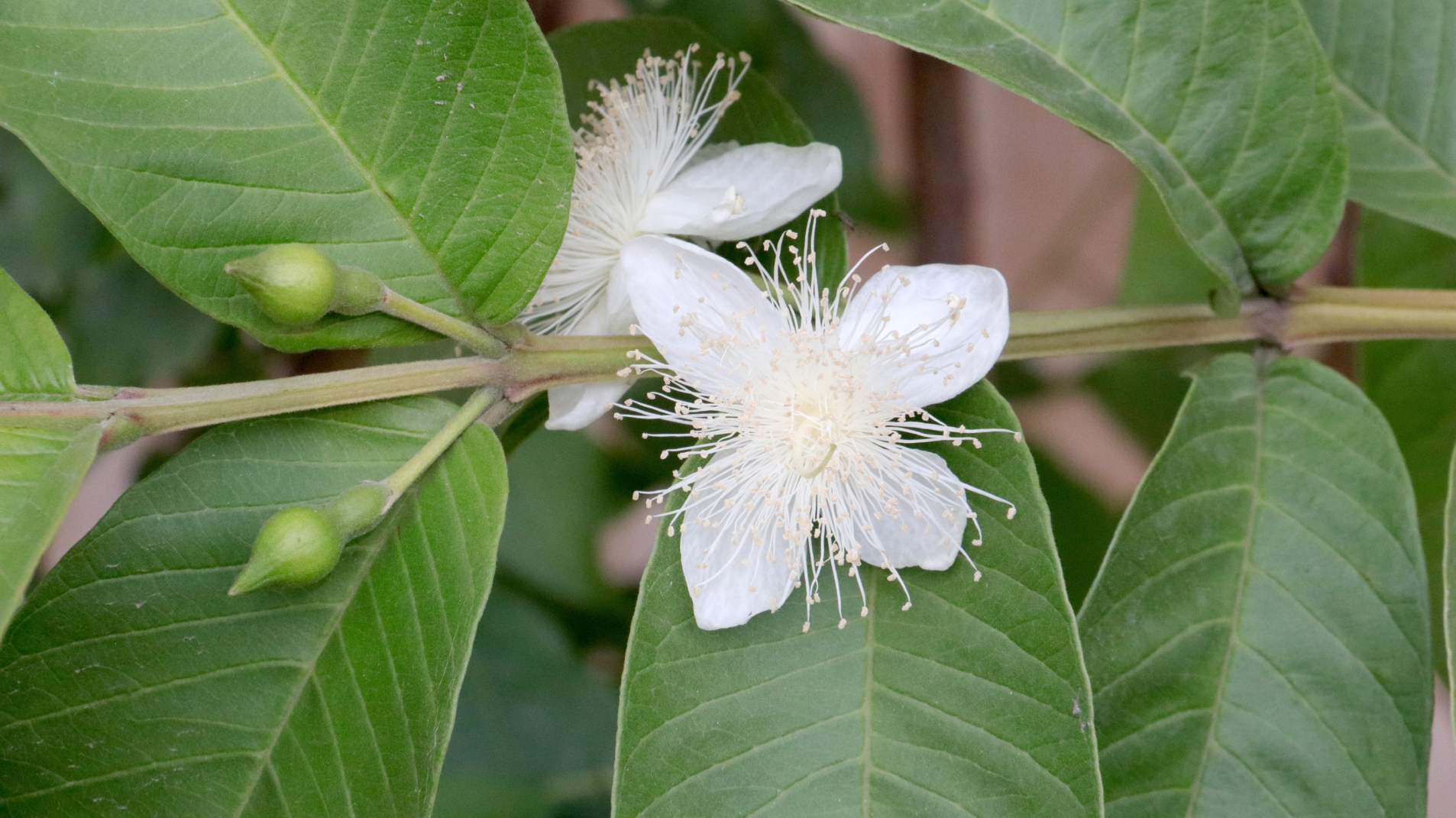
Given that the vast majority of the “members” of this botanical family are native to lands with tropical or subtropical climates, it is natural that the list of species includes some tropical fruits little known to most Europeans. This is the case of guava (Psidium guajava), strawberry guava (Psidium cattleianum), feijoa (Acca sellowiana), pitanga (Eugenia uniflora), rose apple (Syzygium spp.), and also jabuticaba (Plinia cauliflora).

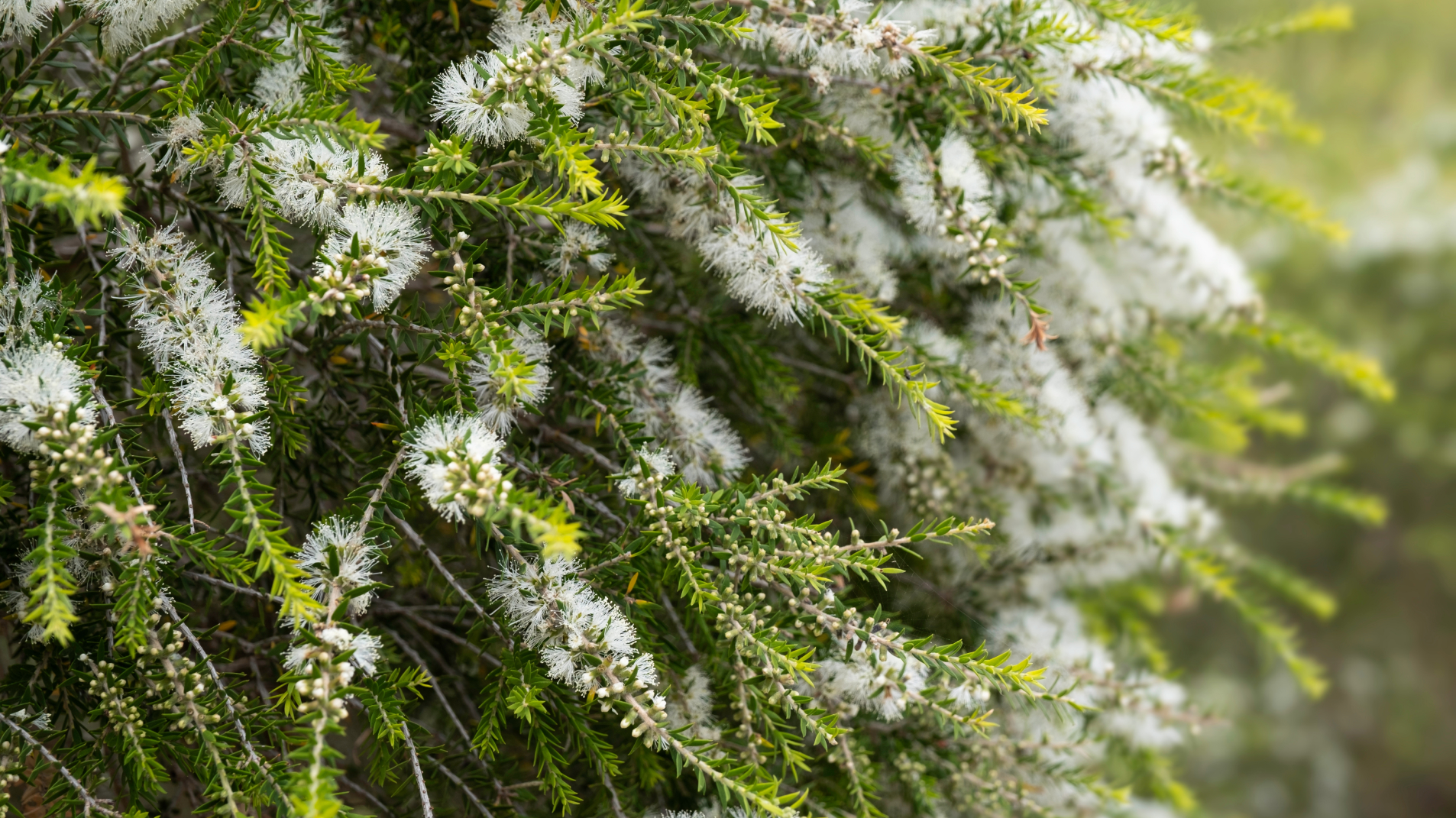
In the area of horticulture, there are also some well-known plants, such as bottlebrushes (Callistemon spp.), paperbarks (Melaleuca spp.), metrosideros (Metrosideros spp.), and tea trees (Leptospermum spp.), just to give a few examples.

Did you know that at Quinta de São Francisco, near Aveiro, there are five botanical trails where you can discover more than a hundred Myrtaceae, highlighting the different species of eucalyptus and corymbias? Visit the place and enjoy this connection with nature.

Temas: