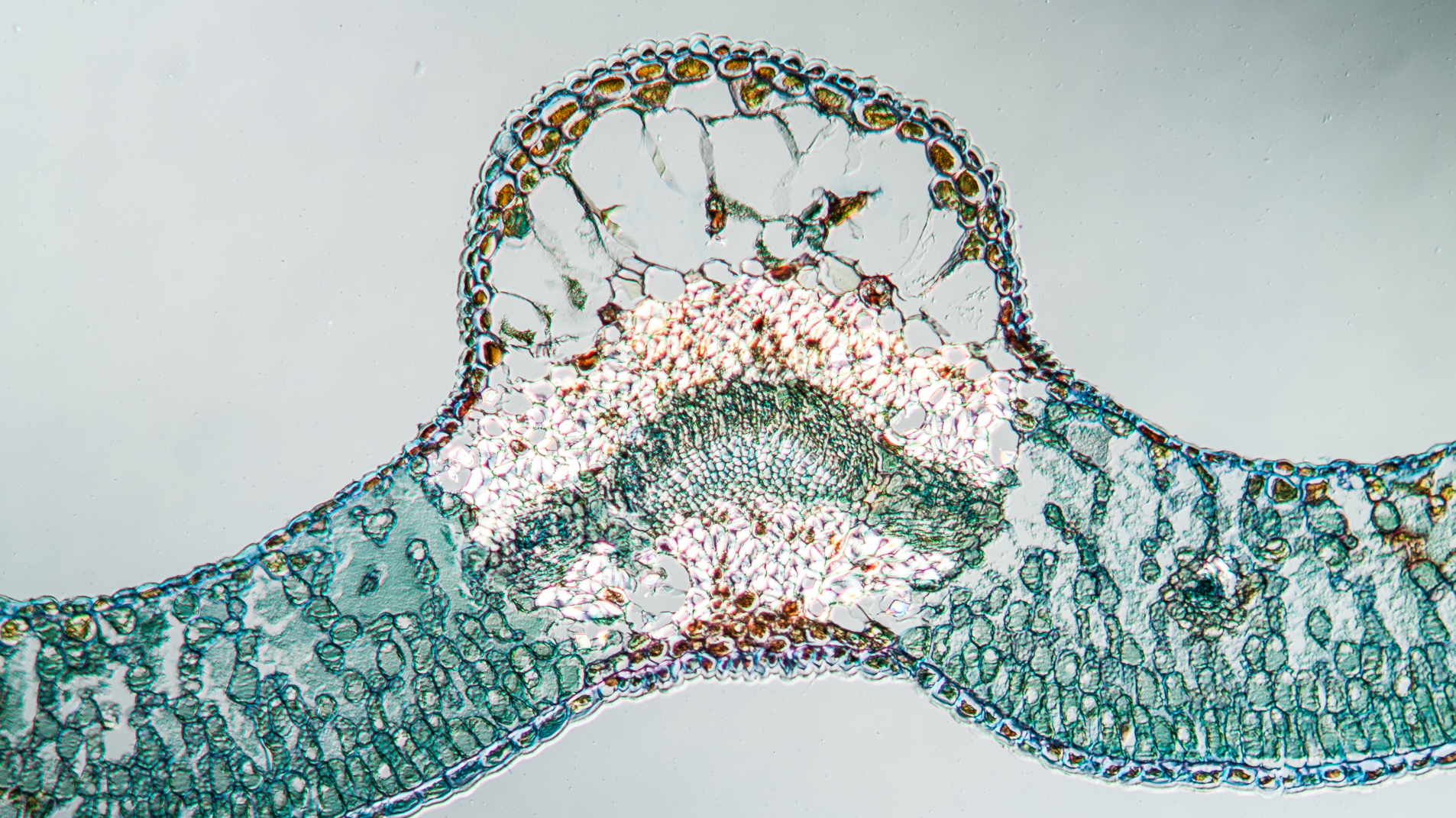


The entire world is painted with microscopic mosaics that are as distinct as they are similar. Indeed, we can observe this phenomenon in the remains of a wild cave, in a sea turtle crossing the Atlantic, or even in a brave and resilient little plant that has managed to flower in a crack beside a pavement, enjoying a front-row view of the bustle of urban life.
Imprima ou partilhe nas suas redes sociais:
There is, in fact, a visual and microscopic aesthetic pattern that animals (including ourselves) have developed both internally and externally: a kind of universal geometric movement present in the very origin of our cells, giving structure to bodies and expressing utility, flexibility, rigidity and movement. This universality stems from the existence of shared physical, chemical and mathematical constraints that dictate the most efficient ways for living beings to survive on Earth and in the universe. Common rules and a shared origin, since all forms of life are related, help explain this universal geometric pattern. These geometric patterns vary and serve to help each organism maximise resources, conserve energy and adapt to its environment.
Nature designed, and continues to design, remarkable patterns that have helped the natural world evolve in practical and functional ways since the earliest expansion of life on Earth. As a bonus, human beings, always fascinated by extraordinary interpretations and intricate patterns, cannot help but marvel at them while seeking to uncover yet another mystery.
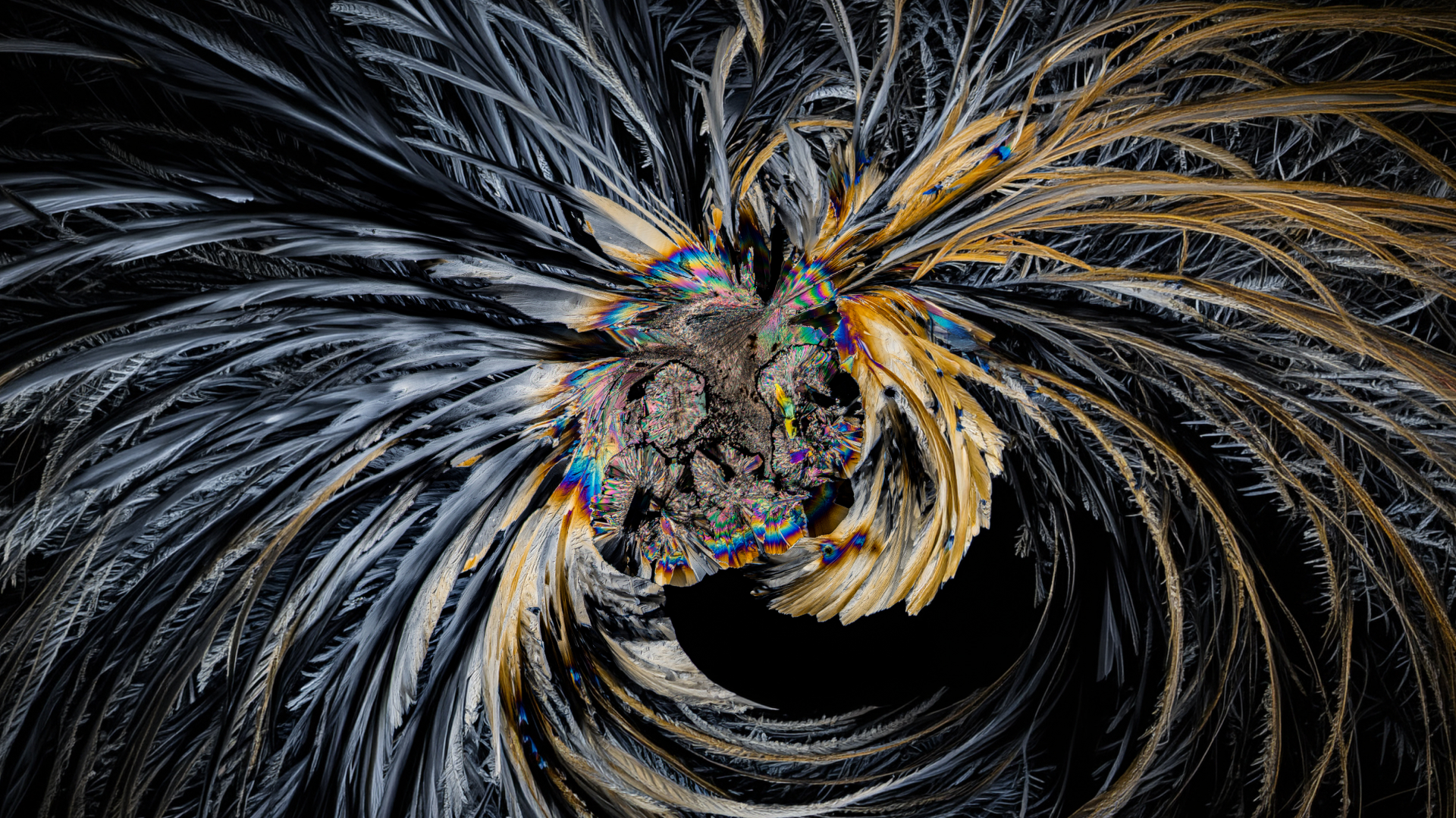
Take a look at the image above. Few people would be able to guess what it is. Any ideas? It is a microscopic view of ascorbic acid crystals, none other than beneficial vitamin C.
From chaos to order: the empire of geometric design
Despite the apparent chaos we observe in nature with the naked eye, humans have been remarkably successful in identifying patterns that reveal logic, survival strategies and harmony within the living world. We see this in hierarchies, feeding relationships and even in the domino effect through which certain species unconsciously influence the well-being and survival of others on the opposite side of the planet.
In this sense, the study and exploration of biodiversity contribute to countless discoveries within the deepest and most fundamental layers of living organisms: animals, insects, plants, microbes and even viruses.
We are, therefore, talking about the study and observation of the “mosaics” present in the many forms of life, this wise balancing act that unites us in an endless cycle of rigidity and flexibility.
The result? The discovery of mosaic-like patterns that form the basis of all life on Earth. These patterns do not refer to features such as animal colouration or the hexagonal structure of beehives. In other words, this is not merely a visual analysis. Rather, it is an observation that connects the form and function of these mosaics, seeking to understand how they arise within physical structures and contribute to each species’ survival strategies. Form reflects function, from the molecular level to large-scale anatomical structures, much as an architect or designer might conceive a project.
Because a perfect form is never truly achieved, the process is continuous, constantly shaped by the diversity of each species and its interaction with the environment, which is itself continuously changing. Habitats, soils and climate are just a few examples. These are the two great drivers of evolution, working alongside natural selection, which relentlessly filters the diversity that works from that which works less well, or not at all.
Each mosaic, therefore, serves as a structural solution supporting the efficient functioning of the organism. And perhaps most intriguingly, studies reveal similarities across different species with no close genetic relationship. Spiders, fish and lizards, for example, have evolved independently and simultaneously using comparable patterns and solutions.
Let the images speak for themselves, because in this case words can only tell part of the story.
A mosaic is worth more than a thousand words
A mosaic invites us, both alluring and expansive, to take a closer look. It awakens our curiosity, encouraging us to examine every detail, immersed in its colours, shapes and geometric elements.
Inspired by this close observation, a study was undertaken at Humboldt University in Berlin by zoologist Jane Ciecierska-Holmes, with the aim of creating a catalogue that would bring together and systematise the various isolated studies carried out previously. She and her team soon realised that these patterns formed a structural family with its own internal logic. They developed a system of eight variables to classify form, function and materials. What they found was remarkable: very similar patterns appear in different animals with no evolutionary relationship. Their conclusion was that evolution arrived at the same solution through different paths.
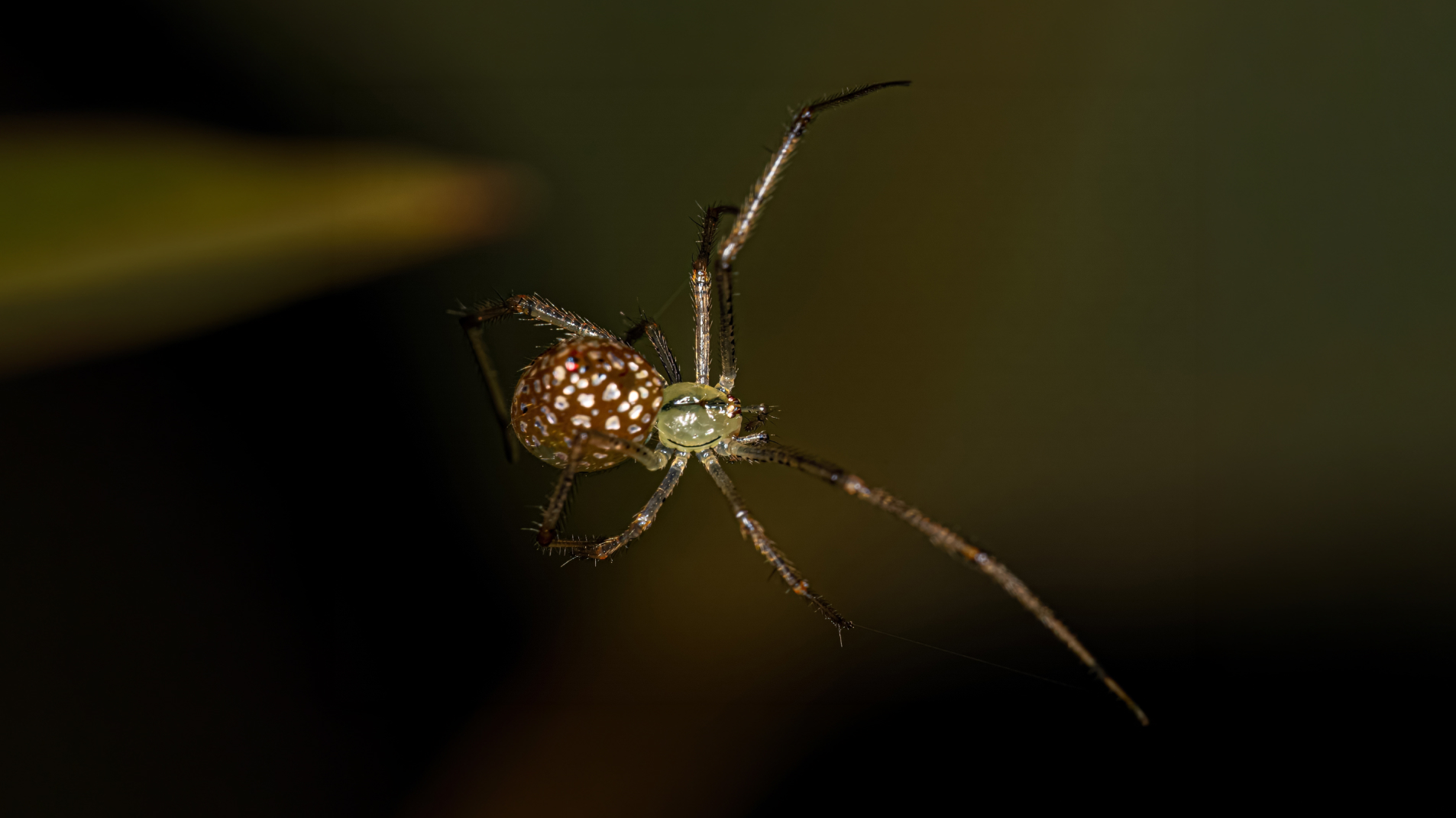
One striking example highlighted in the study is the mirror spider, scientifically known as Thwaitesia argentiopunctata. Less attentive observers might mistake its abdomen for an extravagant exotic ring, an elaborate chocolate wrapper or even a decorative pouffe that would look perfectly at home in a corner of Gaudí’s Casa Batlló in Barcelona.
For this arachnid, however, appearances are not about aesthetics. The visual patterns on its body, known as reflective guanine patches, are not decorative but essential for survival. They expand, contract and change shape to confuse potential predators. Their functional value is clear.
Another example comes from research carried out on the skeleton of a thornback ray (Raja clavata). Through computed tomography scans, what initially appeared to be ordinary skeletal granulation was revealed to be a complex arrangement of hexagons and pentagons extending throughout the cartilage.
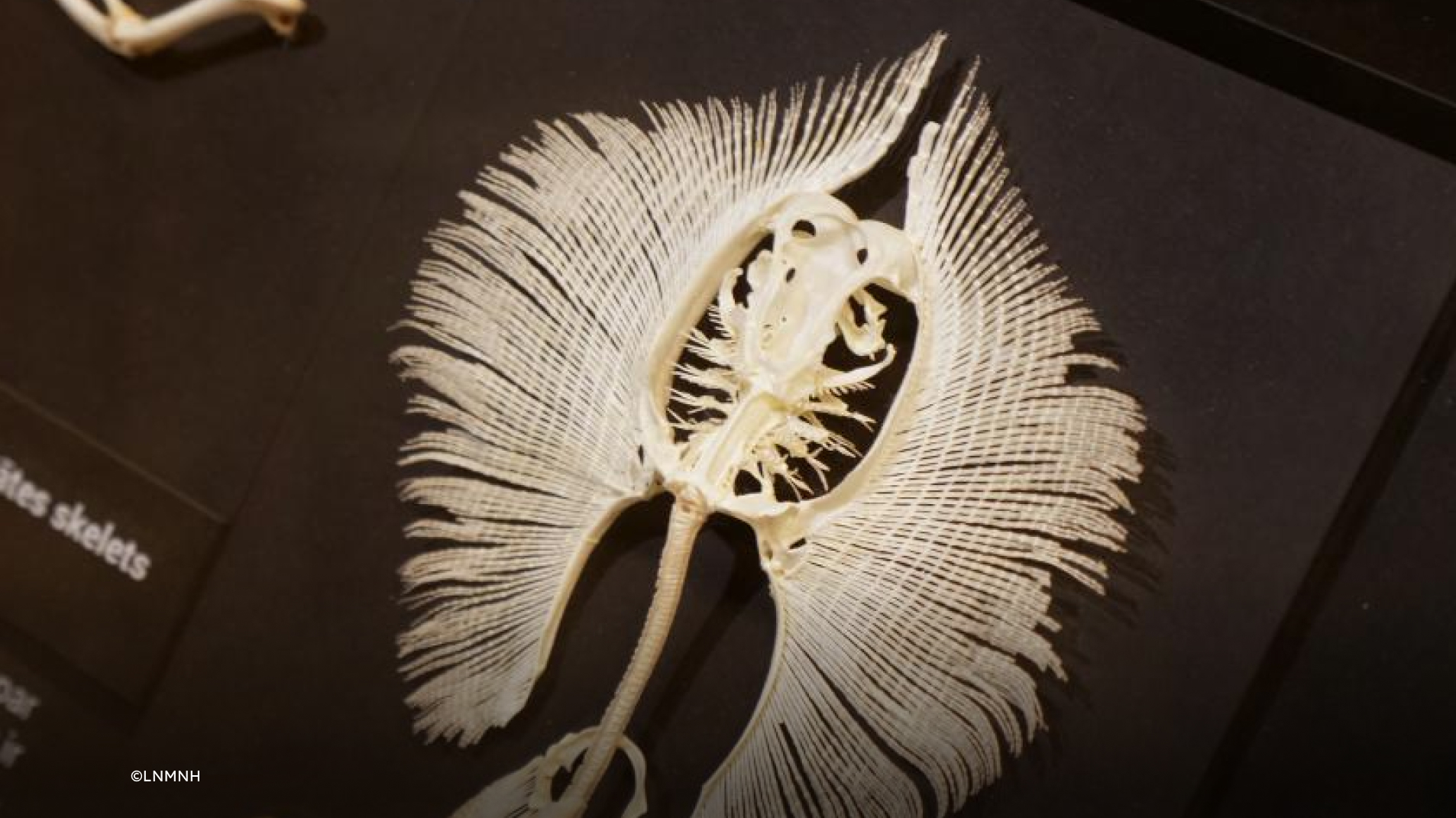
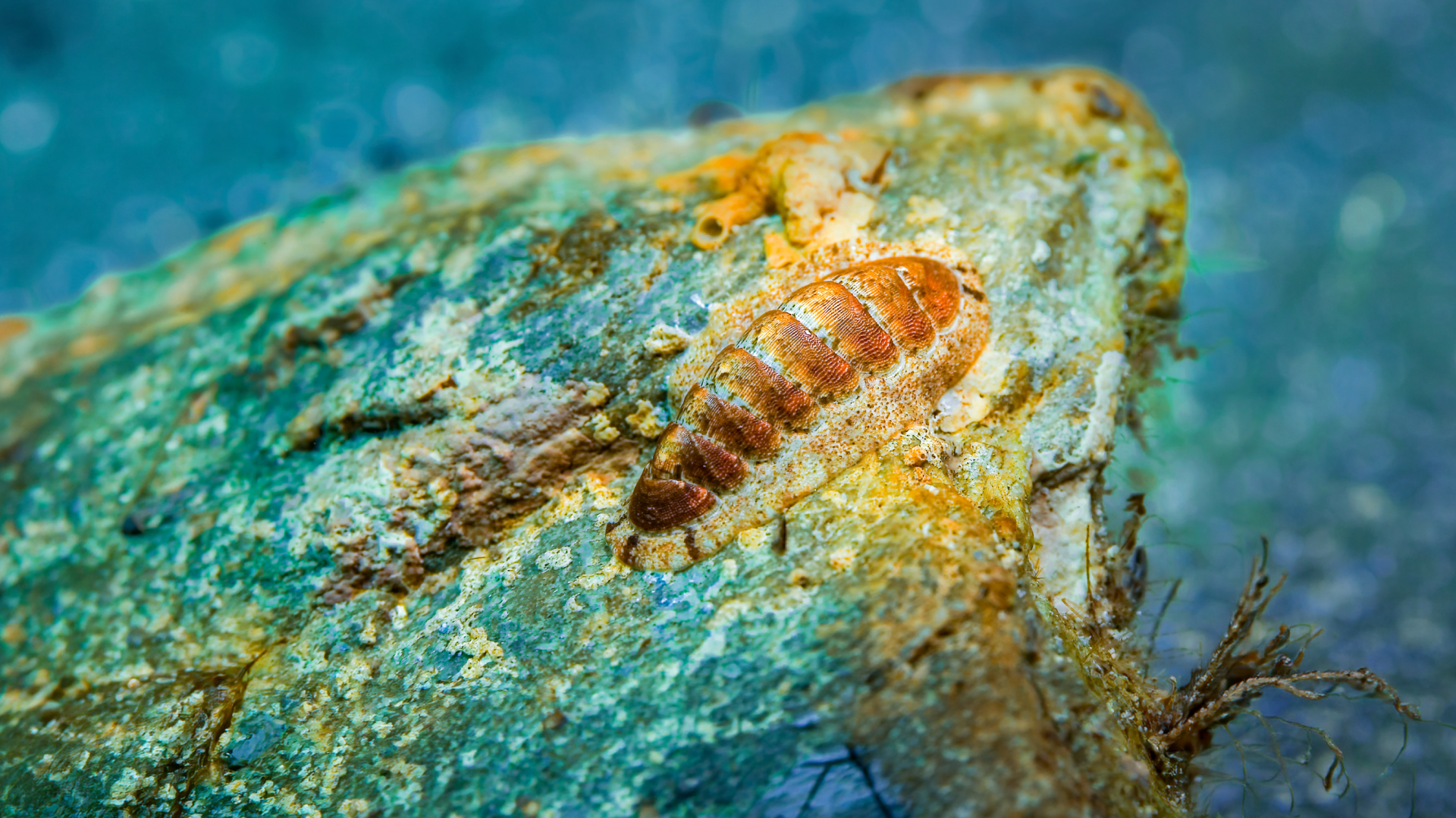
In other cases, species such as chitons (Polyplacophora) have been found to possess highly organised patterned plates. Sharks, meanwhile, following a completely different evolutionary pathway, developed cartilage arranged in a woven-like pattern, yet one that shares similarities with that of rays.
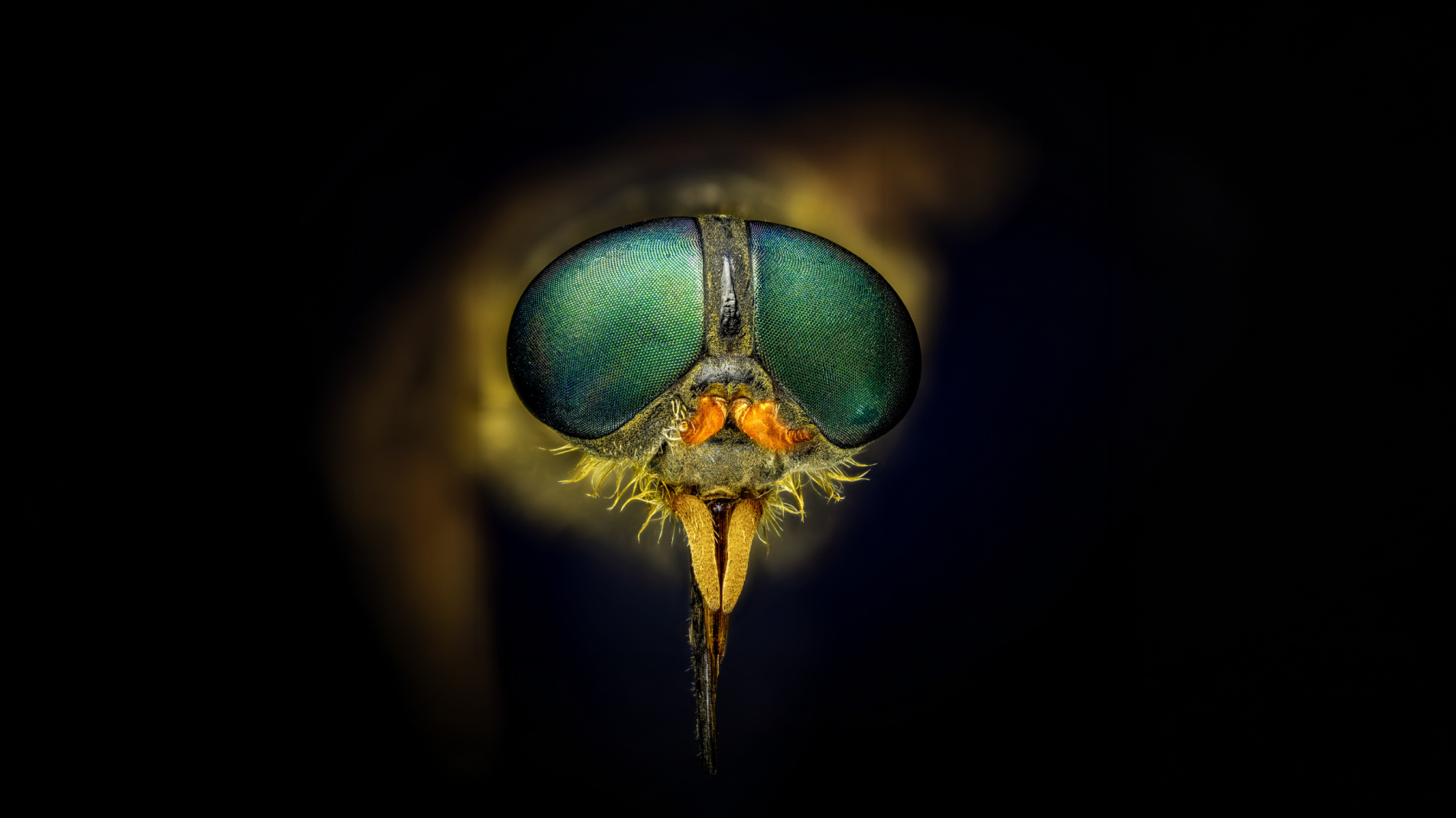
Far removed from the vast and adventurous world of the oceans, we find countless mosaics in the eyes of insects. As mentioned earlier, regardless of the type of pattern, the underlying logic remains the same: a mechanism of defence.
Aesthetic geometry
This natural phenomenon demonstrates the symbiosis between biological growth and geometry. The objective is to create physical solutions that preserve, as effectively as possible, the individual and collective survival of each species.
Different mosaics, however, favour different structures. Six-sided patterns are common in sharks and rays because of their exceptional efficiency in protecting curved surfaces.
Some researchers have even observed that these mosaics naturally integrate into areas of the body where new cells are being formed, promoting a dynamic, agile and flexible framework as the body itself expands at the cellular level.
And perhaps therein lies the secret: some mosaics are harder and are located in areas where protection is most important, while others favour mobility and are therefore more flexible or highly adaptable. By enhancing the survival of each individual, they also increase its chances of contributing offspring to the population.
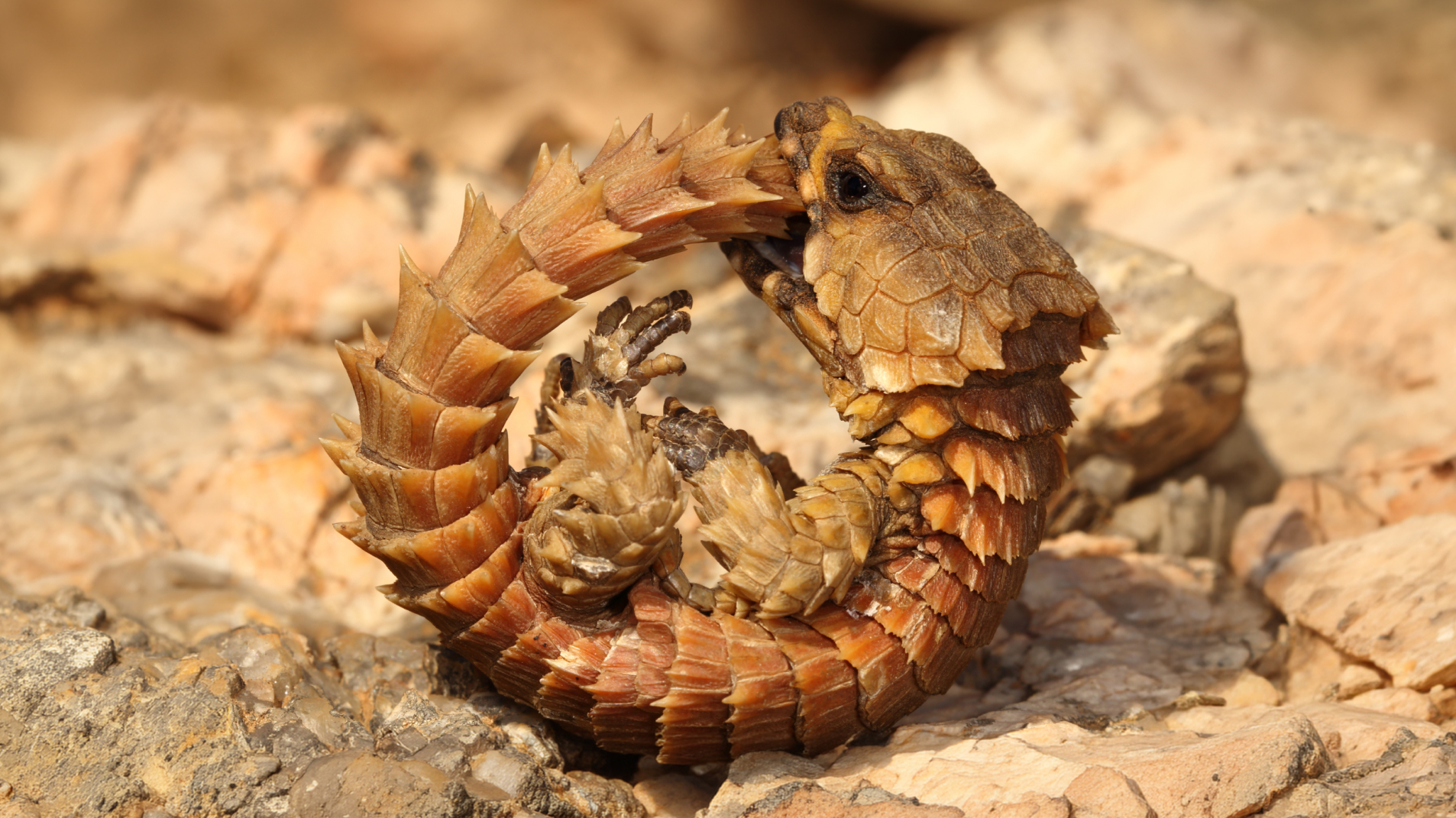
The armadillo lizard, scientifically known as Ouroborus cataphractus, is a perfect example of patterns that are both protective and rigid, yet flexible at the same time, creating a highly harmonious balance between mobility and defence.
The mirror spider, on the other hand, seems destined for a career in the world of design. One might imagine it balancing a stable professional life with occasional appearances in art galleries.
Its dazzling, transformative and pioneering mirror-like creations would, through the inspiration of biomimicry, eventually find their way into the homes of devoted avant-garde collectors. Yet, however much we may insist, the spider remains unmoved. The lure of life in the big city simply does not appeal to it.