Biogallery

Flora

Rosemary: where beauty meets memory

Rosemary (Lavandula stoechas), a common wild plant in the Portuguese mountains, combines beauty, aroma and utility. Resilient and full of life, it’s essential for pollinators, easy to grow, and versatile in both gastronomy and everyday life.

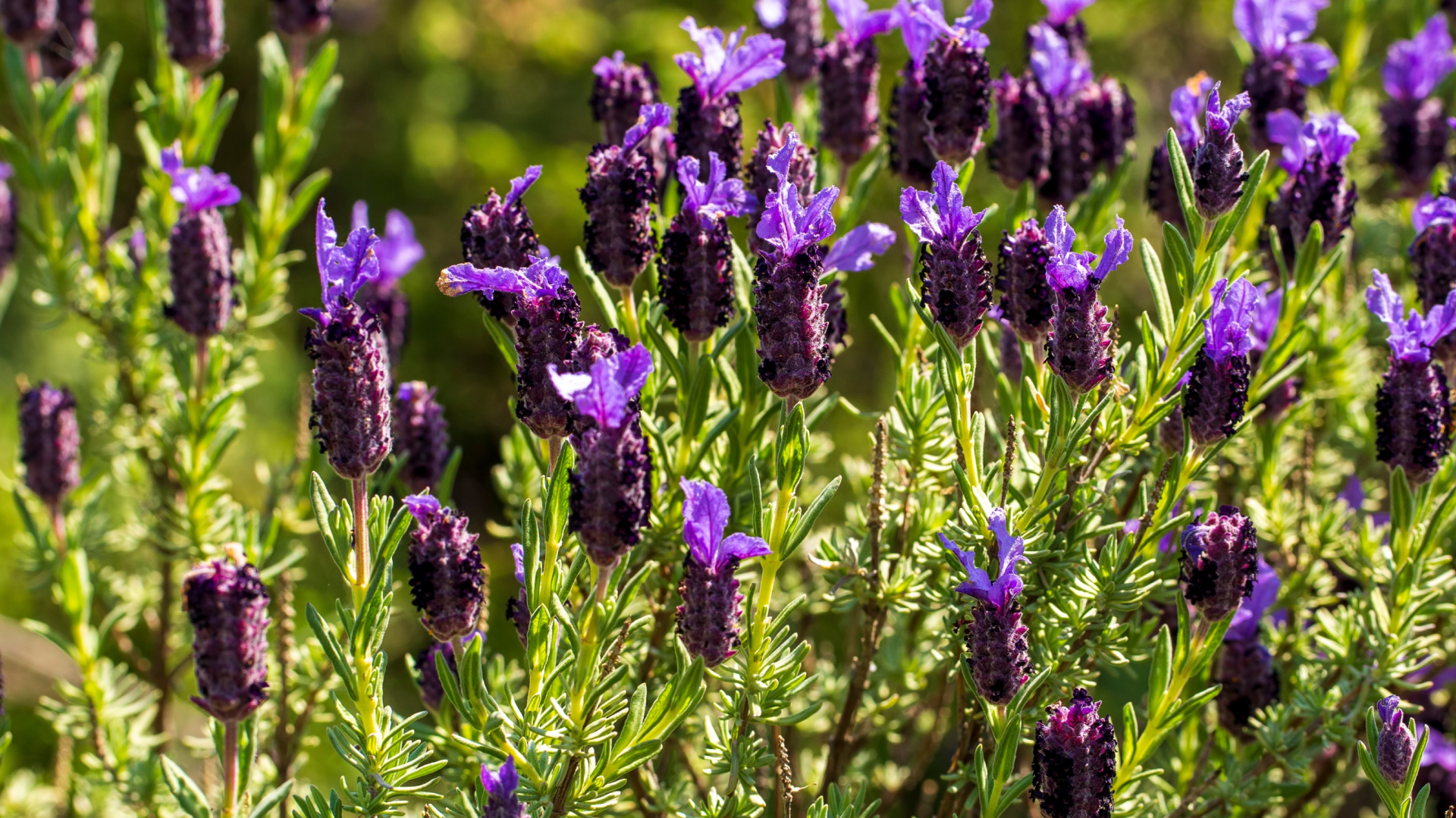
Rosemary (Lavandula stoechas) is one of the most emblematic plants in the Portuguese mountains, colouring clearings and slopes with its intense purple and a soft aroma that is easily spread by the wind. Often called lavender or lavandin, these names actually refer to several species of the large Lamiaceae family, of which rosemary is a part of, and one of the most striking.
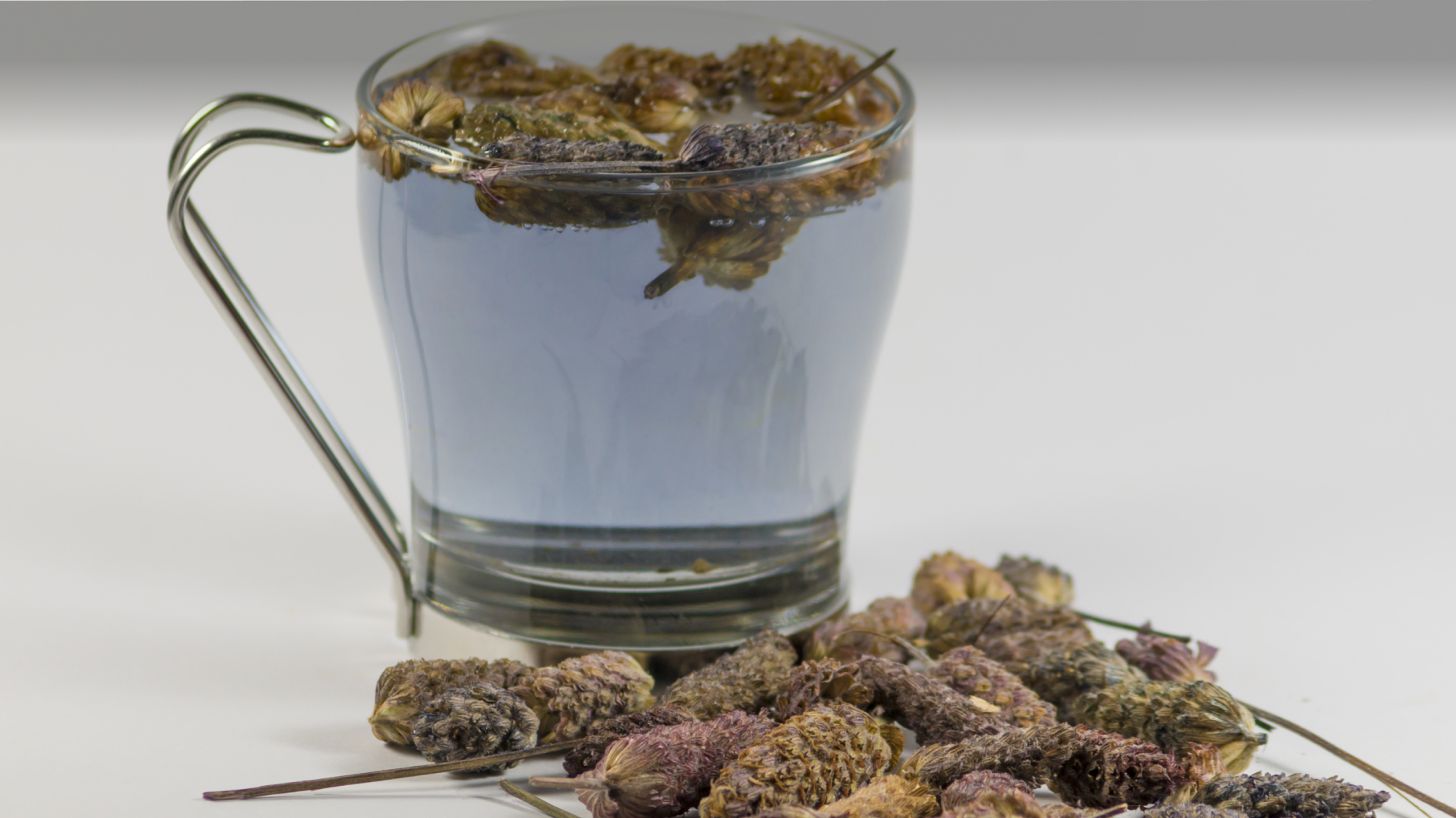
Where scent materialises

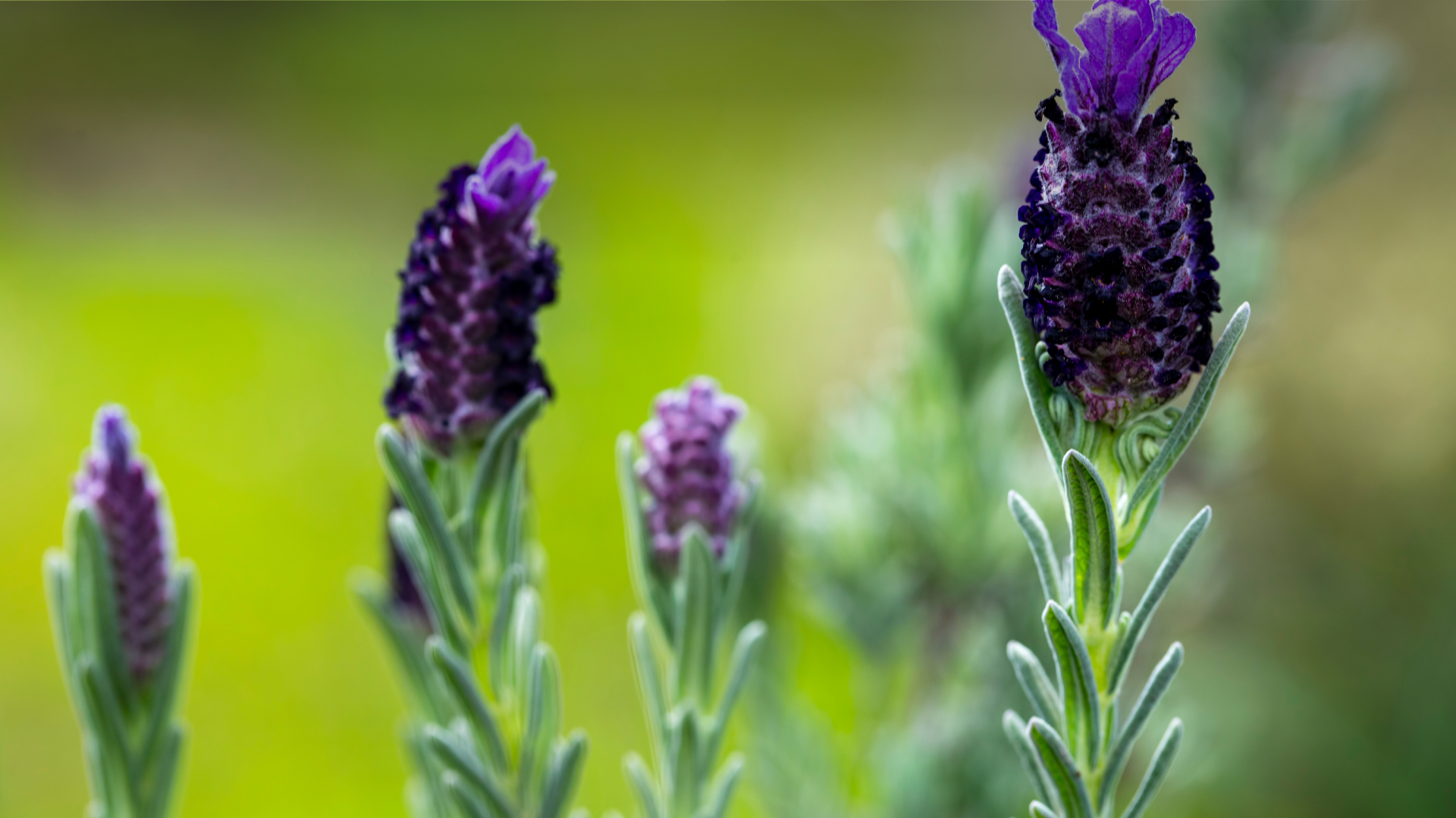
This wild, aromatic, perennial and rustic plant loves the sun, thrives in drought months and Mediterranean climates. It’s usually short, 30 to 60 cm tall, forming small dense tufts that stand out in the landscape.

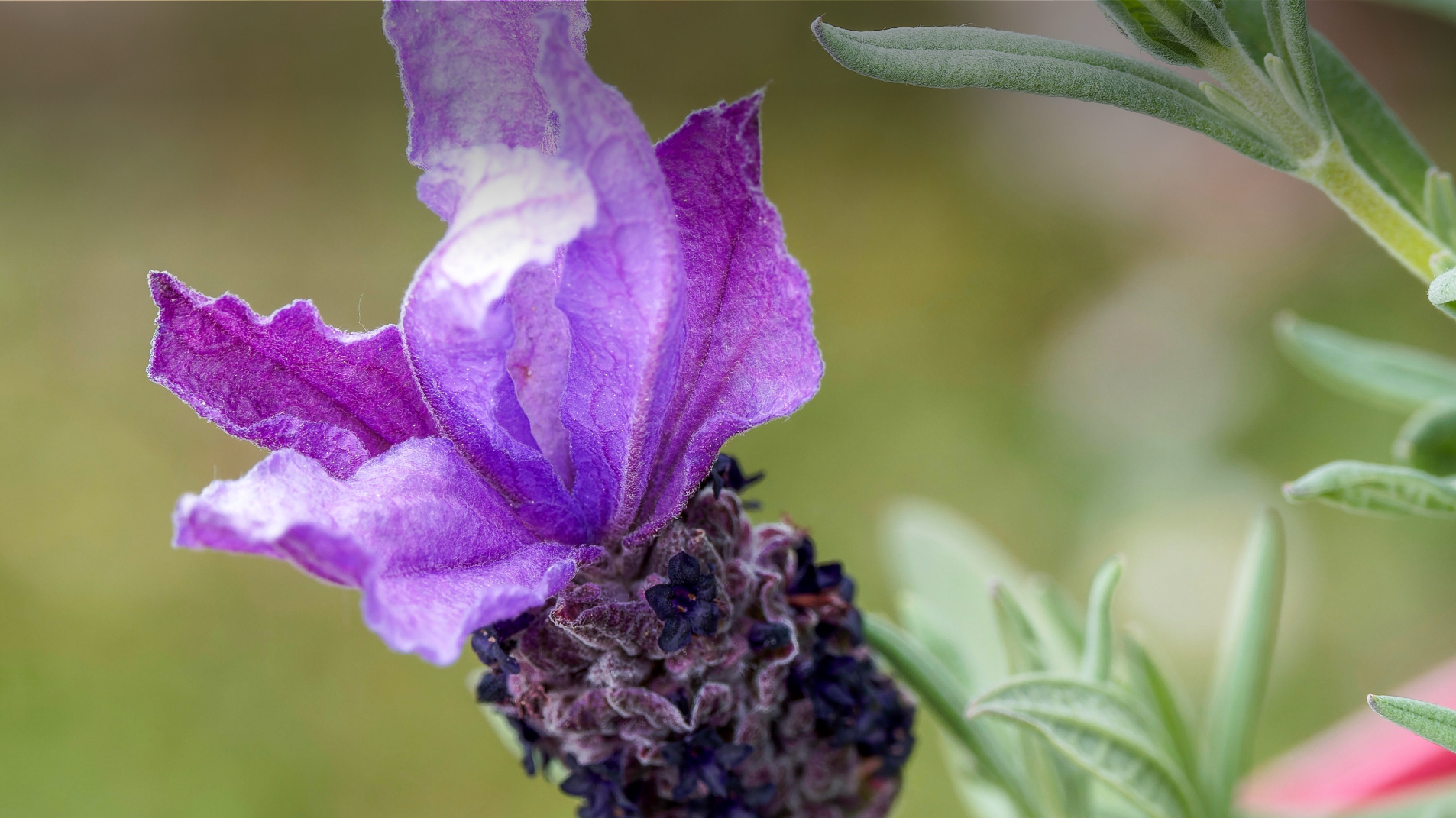
The leaves are narrow, linear and covered by small glands that release essential oils, producing the intense aroma and chemical properties of this plant. The flowers, gathered in compact spikes on top and where their particular “petals” stand out – the typical “plume” (coloured bracts) – bloom from March to September and are true magnets for pollinators. Its fruit is a small nut that resembles a tiny walnut, and when it’s ripe, splits into four partial fruits, displaying a brownish tone.

Master of survival

Rosemary is a spontaneous plant virtually all over the Portuguese territory and prefers poor, acidic, and well-drained soils, occurring mainly in shrublands, cork oak forests and exposed mountain slopes. It’s a master in the art of surviving in locations where other plants would give up, tolerating prolonged droughts and high temperatures. It is, therefore, a constant presence in Portuguese mountain regions, e.g. the Serra da Malcata Natural Reserve, but is common in every mountain in central Portugal.

Ecologically, it plays a relevant role: it’s one of the plants most visited by bees, bumblebees, butterflies and other insects during the spring, acting as a key species in many ecosystems. In areas subject to fire, rosemary regenerates easily, assisting the natural recovery of vegetation.

From the hills to the garden… and even to the kitchen

Rosemary is a wild plant, but it has a long-standing relationship with humans. Rustic, beautiful and fragrant, it is perfect for gardens, as it is an easy and elegant option. Does not need much water, enjoys the sun, and requires virtually no maintenance.

In the kitchen, it may surprise you. It is used as an aromatic herb, particularly rosemary(Salvia rosmarinus) and thyme (Thymus vulgaris), also from the Lamiaceae family. Its fresh flowers can be used to flavour desserts, infusions and even meat dishes, granting them a floral and slightly resinous touch. Highly appreciated by bees, rosemary honey, with its particular aroma, is produced mostly in the Beira Baixa region.

Between care and customs

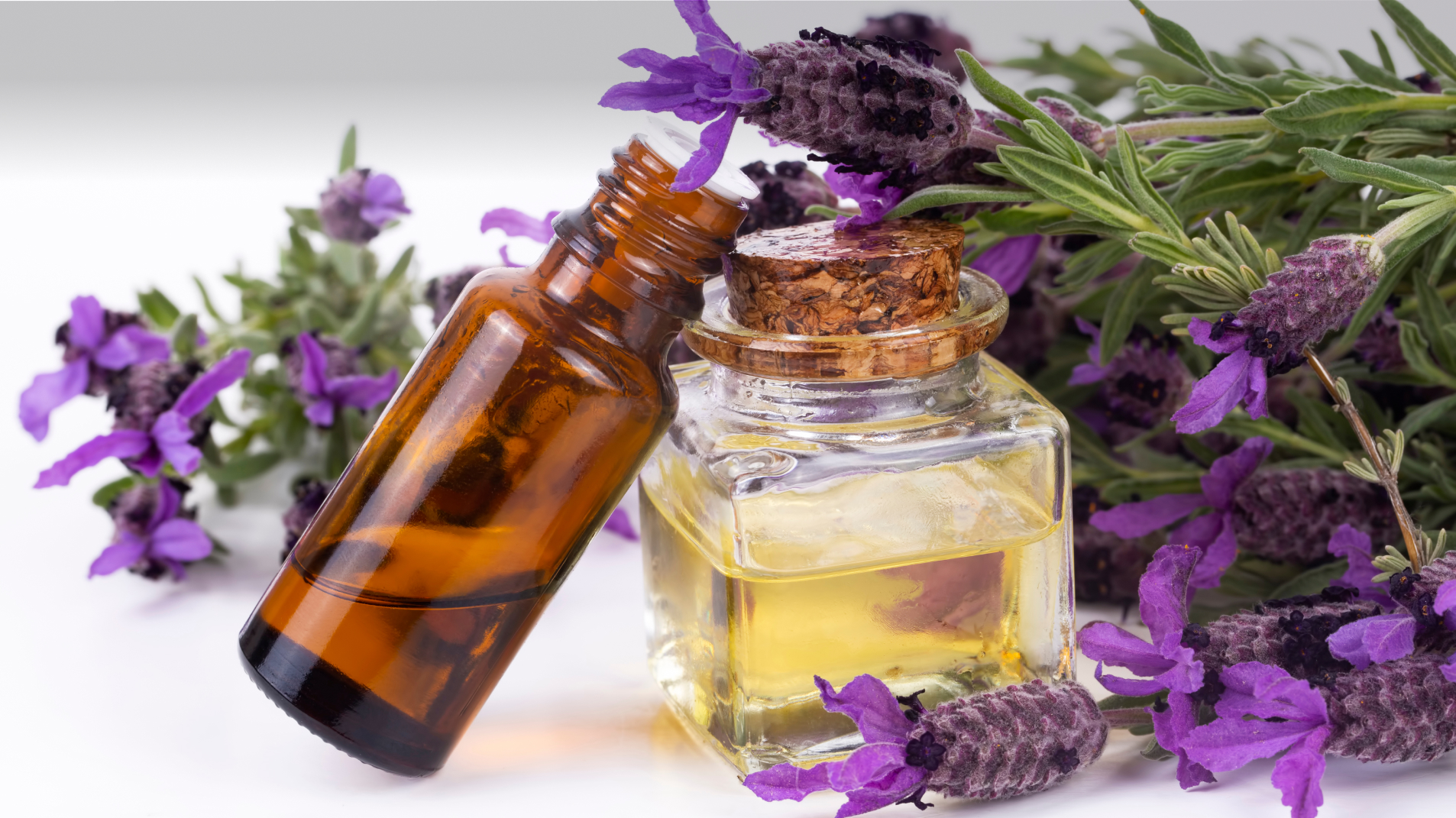
Rosemary oil, obtained from its leaves through distillation processes, is a usual ingredient in cosmetics. It is used to create creams, soaps and assorted personal care products.

In traditional uses linked to well-being, rosemary is associated with relaxing effects, antiseptic properties and the ability to calm spasms and is sometimes also referred to for its potential antidepressant effects. In aromatherapy, or when applied to the skin in the form of massage oil, it is often used to soothe eczema, relieve muscle tensions and stimulate circulation.

However, as it contains coumarins, compounds that can become toxic in certain amounts, one should seek professional advice before using rosemary extracts for therapeutic purposes.

At home, its scent is a classic. Dry sprigs of Lavandula stoechas help perfume drawers and bathrooms, while naturally warding off unwanted insects.

Mountainous, resistant and fairly aromatic, rosemary brings the countryside to our house, a reminder that, even in the smallest details, nature offers beauty, utility and identity at all times.

Did you know that…

  • The purple “plume” at the top of the flower is not petals.
    They are bracts, modified structures that help attract pollinators from a distance.
  • Rosemary quickly recolonises burned areas thanks to its seed bank in the soil.
  • In the past, it was used as a firelighter and fuel and, to this day, as an ornament in some religious festivities.
  • Rosemary

    Lavandula stoechas

  • Plant

  • Genus

    Lavandula

  • family

    Lamiaceae

  • Habitat

    It occurs in bush and shrub areas adapted to drought (xerophilic vegetation), as well as in mountain areas. It also appears in clearings or under the cover of pine forests and holm oak, cork oak or other types of oaks. It prefers open and arid environments, settling mainly in poor, sandy and non-fertile soils.

  • Distribution

    It is distributed throughout the Mediterranean region and the islands of Macaronesia. In mainland Portugal, it occurs mainly in the centre and south of the territory.

  • Conservation Status

    Conservation status: NE (Not Evaluated)

  • Height / Length

    Between 30 and 60 cm in height

  • Longevity

    Perennial plant

How to tend to this species?

Conservation of the Iberian midwife toad involves preserving and recovering its habitat, especially the Mediterranean ecosystems where it lives in. There are defined areas of interest for conservation, which are managed to maintain or improve habitats that offer better conditions for feeding, shelter and reproduction, and can act as ecological corridors to facilitate the natural spread of species and the genetic exchange between populations.

The conservation  and recovery of small bodies of water and watercourses, maintaining as much of their natural dynamics as possible, the maintenance of traditional agricultural tanks, the reduction of the use of phytopharmaceuticals and conditioning their use with water bodies are essential measures for the reproductive success of the species, since tadpoles need little-polluted water.

More than contributing to the success of a fascinating species of our biodiversity, conserving the Iberian midwife toad is protecting a living fragment of the Mediterranean natural heritage!

Temas: